
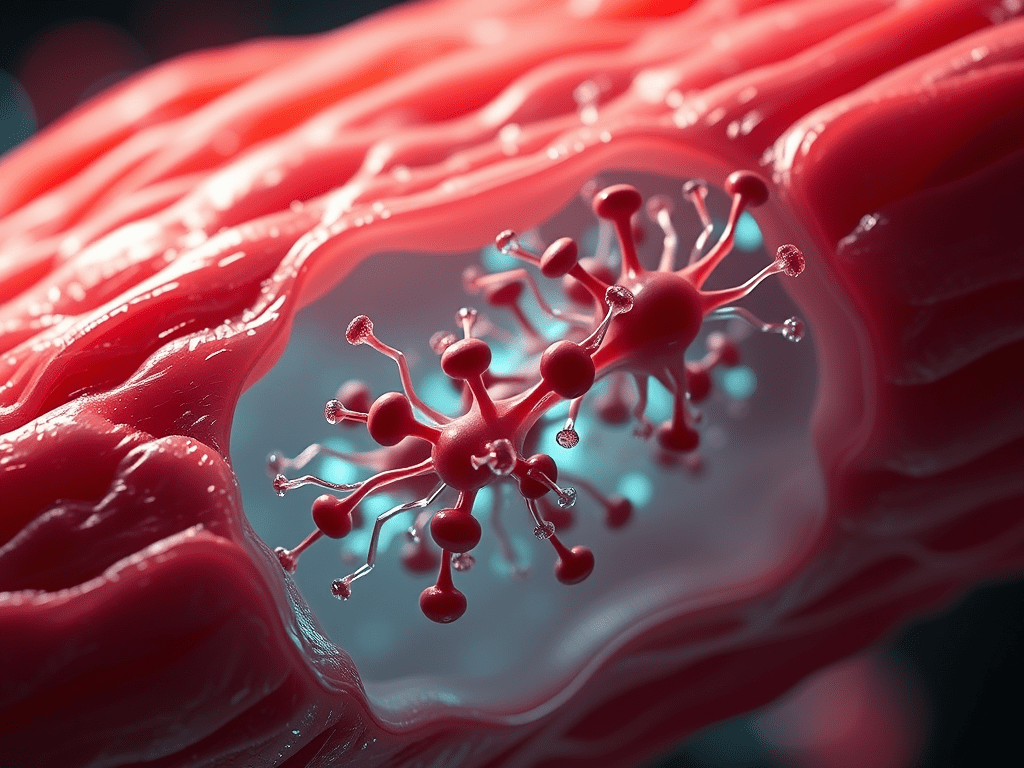
Imagine your muscles as tiny, bustling factories, constantly in need of energy to keep production lines running. At the heart of each of these factories are specialized power plants, the mitochondria. In the world of endurance sports, these microscopic organelles are the unsung heroes, tirelessly generating the fuel that powers every stride, pedal stroke, or pull through the water.
But here’s a fascinating question: when it comes to maximizing your endurance, is it better to simply have more of these power plants – a greater mitochondrial density? Or is it more advantageous to have existing power plants that run super clean and produce maximum energy with minimal waste – demonstrating superior mitochondrial efficiency? For peak endurance performance, the answer, as with many complex biological systems, is more nuanced and intriguing than a simple either/or.
Let’s clarify these two vital concepts:
- Mitochondrial Density: This refers to the sheer number of mitochondria packed within your muscle cells. Think of it as expanding your energy-producing infrastructure – having more “power plants” available to churn out aerobic energy. A higher density means more sites where oxygen and fuel can be converted into the body’s energy currency.
- Mitochondrial Efficiency: This describes how effectively and cleanly each individual mitochondrion produces ATP (adenosine triphosphate, your body’s usable energy) from its fuel sources (carbohydrates and fats), all while minimizing wasted energy as heat. It’s about how productively each of your existing power plants operates, ensuring a high output for a given input.
These two aspects of mitochondrial health are absolutely critical for endurance. Density dictates your maximum aerobic power output – essentially, the ceiling of your potential. Efficiency, on the other hand, profoundly influences how long you can sustain efforts and how much precious fuel you conserve. Understanding how to train for both is crucial for maximizing your endurance potential, whether your goal is a fast 5k or conquering an ultra-marathon.
This post will deep dive into the fascinating interplay between mitochondrial density and efficiency, explaining their distinct roles in energy production, detailing how different training modalities impact each, and providing actionable strategies you can use to optimize both for superior endurance performance.
The Inner Workings: The Science Behind Mitochondrial Efficiency & Density
Every muscle contraction, every beat of your heart, every thought you have, is powered by ATP. And for endurance athletes, the vast majority of this ATP is produced aerobically within your mitochondria.
The ATP Production Line: Aerobic Respiration
Mitochondria are often called the “powerhouses of the cell” for good reason. They are the sites of aerobic respiration, a complex series of biochemical reactions where oxygen is used to convert fuel (primarily glucose from carbohydrates and fatty acids from fats) into large quantities of ATP. This process is what allows you to sustain prolonged physical activity.
Mitochondrial Density: The Raw Power Potential
When we talk about mitochondrial density, we’re referring to the sheer volume or number of mitochondria within your muscle cells. More mitochondria mean more “furnaces” burning fuel, leading to a greater capacity for aerobic energy production.
- Biogenesis: The process of creating new mitochondria is called mitochondrial biogenesis. This is a highly adaptable process, powerfully stimulated by the metabolic stress of exercise. When your body detects a high demand for energy, it responds by building more power plants.
- Impact on Performance: A higher mitochondrial density directly contributes to a higher VO2 Max (your maximal oxygen uptake) and overall aerobic capacity. Simply put, having more engines means you can generate more raw power and sustain higher intensities for longer because there are more sites available to process oxygen and fuel.
Mitochondrial Efficiency (Coupling Efficiency): The Smart, Clean Burn
Mitochondrial efficiency, also known as coupling efficiency, refers to how well the intricate machinery inside each mitochondrion converts the energy from fuel into ATP, rather than losing it as wasted heat.
- Oxidative Phosphorylation: Within the mitochondria, a crucial process called oxidative phosphorylation generates the bulk of ATP. Efficiency relates to how tightly this process is “coupled” – meaning how much ATP is produced for every unit of oxygen consumed.
- Proton Leak/Uncoupling: In reality, not all energy is perfectly captured as ATP. Some protons (energy carriers) can “leak” across the mitochondrial membrane without generating ATP, instead releasing energy as heat. This is known as proton leak or uncoupling. Higher efficiency means less proton leak and more ATP produced for the same amount of fuel and oxygen.
- Impact on Performance: An efficient mitochondrion is like a clean-burning engine. It conserves fuel (especially precious glycogen, which is limited), produces less waste heat for a given amount of work, and contributes to better endurance economy. This allows you to sustain efforts for longer and can be a key factor in avoiding the late-race “bonk.”
The Crucial Interplay: Both Are Vital
It’s clear that both density and efficiency are vital. Consider these scenarios:
- High density with low efficiency: You have many power plants, but they are wasteful, guzzling fuel and losing a lot of energy as heat. You might have high raw power, but poor longevity.
- High efficiency with low density: You have a very clean-burning engine, but not many of them. You might be economical, but lack the raw power to sustain higher speeds.
Optimal endurance performance requires both: a large number of power plants and each power plant running as cleanly and productively as possible. It’s the synergy of high density and high efficiency that creates a truly powerful and economical endurance engine.
How Do We Measure These Micro-Marvels? (Mostly Lab-Based)
Directly measuring mitochondrial density and efficiency is complex and typically requires specialized lab techniques:
- Lab Setting (Muscle Biopsy/Respirometry):
- Mitochondrial Density: This is often assessed by taking a small muscle biopsy (a tiny tissue sample, usually from the thigh), which is then analyzed under a microscope to count the number of mitochondria or measure the activity of specific mitochondrial enzymes (like citrate synthase), which correlate with mitochondrial content.
- Mitochondrial Efficiency: This is even more complex, often involving respirometry, where isolated mitochondria or permeabilized muscle fibers are studied to analyze oxygen consumption rates and ATP production rates under controlled conditions.
- Indirect Indicators (Field-Based): While you can’t measure these directly with your GPS watch, certain performance metrics can indirectly suggest improvements:
- Improved Endurance Economy: If you can maintain a faster pace or higher power output at the same heart rate or Rate of Perceived Exertion (RPE), it suggests your body is becoming more efficient, potentially due to improved mitochondrial efficiency.
- Higher VO2 Max: A general increase in your maximal oxygen uptake often indicates an increase in overall mitochondrial density.
- Improved Fat Oxidation Rates: An increased ability to burn fat for fuel at higher intensities strongly suggests improved mitochondrial efficiency.
- Lower RER (Respiratory Exchange Ratio) at submaximal efforts: A lower RER value indicates that a greater proportion of your energy is coming from fat oxidation. Since efficient mitochondria are better at burning fat, a lower RER at the same submaximal effort is a hallmark of improved mitochondrial efficiency.
The Strategic Advantage: How Mitochondrial Health Impacts Performance
Understanding the distinct roles of mitochondrial density and efficiency offers powerful insights for tailoring your training and race strategy.
Training Implications: Fine-Tuning Your Workouts
- Tailored Training Stimuli: Different types of training provide unique signals that preferentially stimulate adaptations related to either density or efficiency. This allows for a more precise and effective training program.
- Optimized Fueling: Training for efficiency, particularly by stressing fat metabolism, can reduce your reliance on carbohydrates during certain efforts. This impacts your pre-, intra-, and post-workout nutrition strategies.
- Strategic Periodization: Understanding these nuances allows you to strategically emphasize one aspect over the other at different points in your training cycle – perhaps building density in your base phase, and then refining efficiency closer to your peak race.
Race Day Strategy: Power and Longevity
- Density for Max Power: High mitochondrial density contributes to your maximum aerobic power output. It sets the ceiling for how fast or hard you can go. This is crucial for sustaining high speeds in shorter endurance events (e.g., a 5k or 10k) or surges in longer races.
- Efficiency for Longevity: High mitochondrial efficiency means you conserve precious fuel, particularly limited glycogen stores. You also produce less heat, reducing the risk of overheating. This allows you to sustain efforts for much longer durations and can be the critical factor in avoiding the dreaded late-race bonk.
- Overall Race Economy: A combination of both high density and high efficiency leads to a truly powerful and economical endurance engine. You have the raw power to go fast, and the fuel efficiency to keep going for miles.
The Limiting Factor: When Your Power Plants Are Weak
- Low Density: If you have too few “engines,” your maximum aerobic power output will be limited. You simply don’t have enough cellular power plants to produce sufficient energy at high intensities. Your VO2 Max will be capped, and your ability to maintain faster paces will be compromised.
- Low Efficiency: If your engines are “guzzlers,” you’ll burn through fuel (especially glycogen) much faster than necessary. You’ll also produce more wasted heat, leading to premature fatigue, particularly in longer events. Even if you have many power plants, they’re not running optimally.
Both low density and low efficiency can become significant limiting factors. Addressing both aspects is key to unlocking your full endurance potential.
Actionable Tips: Building & Cleaning Your Power Plants
The good news is that both mitochondrial density and efficiency are highly adaptable to training. Here’s how you can optimize them:
Specific Training Recommendations (To Increase Mitochondrial Density – “More Engines”)
These training methods stimulate the body to create more mitochondria:
- Consistent High-Volume, Low-Intensity (Zone 2) Training: This is the primary driver of mitochondrial biogenesis. Long, steady efforts (e.g., 60-180+ minutes per session) at a moderate intensity (your conversational pace, Zone 2 heart rate or power) create a sustained energy demand and stress signals that lead to the formation of new mitochondria. Aim for 70-80% of your weekly volume in this zone.
- High-Intensity Interval Training (HIIT): While shorter in duration, the acute, severe energy demands and oxygen deficits experienced during intense intervals (e.g., 30-second to 2-minute efforts at 90-100% of your VO2 Max) also strongly stimulate mitochondrial biogenesis. Incorporate 1-2 HIIT sessions per week, balancing them with your Zone 2 work.
Specific Training Recommendations (To Increase Mitochondrial Efficiency – “Cleaner Engines”)
These training methods focus on making your existing mitochondria work more effectively:
- “Train Low” Workouts (for already fat-adapted athletes): This advanced strategy involves performing some low-to-moderate intensity training sessions (Zone 2) after an overnight fast or with limited carbohydrate availability. By intentionally reducing carbohydrate availability, you force your body to rely more on fat as fuel. This specifically stresses and enhances the fat-burning pathways within your mitochondria, thereby improving their efficiency. Crucially, this is an advanced strategy and should be approached with extreme caution, ensuring adequate overall carbohydrate intake to support your high-intensity work. It is not suitable for everyone and careful monitoring is advised.
- Consistent Aerobic Base (Zone 2): While primarily a driver of density, consistent Zone 2 training also continually stresses fat metabolism pathways. Over time, this consistent demand for fat utilization contributes significantly to improving mitochondrial efficiency.
- Lower RER Training: Intentionally focusing on maintaining a lower RER (Respiratory Exchange Ratio) through careful pacing and appropriate fueling during steady-state efforts can help train your body to utilize fat more efficiently, thereby improving mitochondrial efficiency.
Non-Training Factors: Supporting Your Power Plants
- Targeted Nutrition: Ensure adequate healthy fats in your diet, as fat is the primary fuel source for efficiency training. Sufficient protein is essential for mitochondrial turnover and repair. Carbohydrates remain crucial for fueling high-intensity work and overall recovery.
- Quality Sleep: Sleep is absolutely essential for cellular repair and hormonal balance, both of which directly support mitochondrial health and function.
- Antioxidants: While research is ongoing, a diet rich in antioxidants may play a role in reducing oxidative stress, which can impact mitochondrial function. Focus on whole foods rich in vitamins and minerals.
- Stress Management: Chronic life stress can negatively impact mitochondrial function and overall metabolic health. Incorporating stress-reduction techniques can be beneficial.
Navigating the Nuances: Common Misconceptions
- “Only One Matters”: This is a significant misconception. Elite endurance athletes understand that both mitochondrial density and efficiency are crucial. They work in tandem, and optimizing both is the key to unlocking superior performance.
- “Fasted Training is Magic”: While “train low” strategies can be valuable for improving mitochondrial efficiency, they are not a universal panacea. Overuse can lead to excessive fatigue, impaired high-intensity performance, and even increased risk of illness or injury. It must be integrated carefully and strategically within a broader training plan.
- Genetic Predisposition: While individuals may have a genetic predisposition towards slightly higher density or efficiency, both aspects are highly trainable. Your consistent training habits will have a much greater impact than your genes alone.
- Ageing: Unfortunately, mitochondrial function (both density and efficiency) tends to decline with age. This makes targeted training to maintain and improve these adaptations even more important for master athletes looking to sustain their performance.
The Ultimate Endurance Engine
Maximizing your endurance performance isn’t just about having more cellular power plants (mitochondrial density); it’s also about ensuring those power plants run as cleanly and effectively as possible (mitochondrial efficiency). It’s the powerful synergy of both that creates a truly high-performing, economical, and resilient endurance engine.
Embrace a balanced approach in your training: consistently log your Zone 2 sessions to build that crucial mitochondrial density, and for the advanced athlete, strategically (and carefully!) integrate “train low” sessions to boost efficiency. Understand that this is a long-term adaptation, requiring consistent effort and patience. By nurturing your cellular powerhouses, you’re not just getting fitter; you’re fundamentally upgrading your body’s ability to produce sustained energy, leading to better performance and more enjoyable, longer efforts.
Optimizing these cellular powerhouses is vital, but what about the recovery from all that hard work? Our next post will explore the often-misunderstood concept of “Active Recovery,” delving into what’s truly happening and when it’s most beneficial
Discover more from ABC Endurance
Subscribe to get the latest posts sent to your email.
