
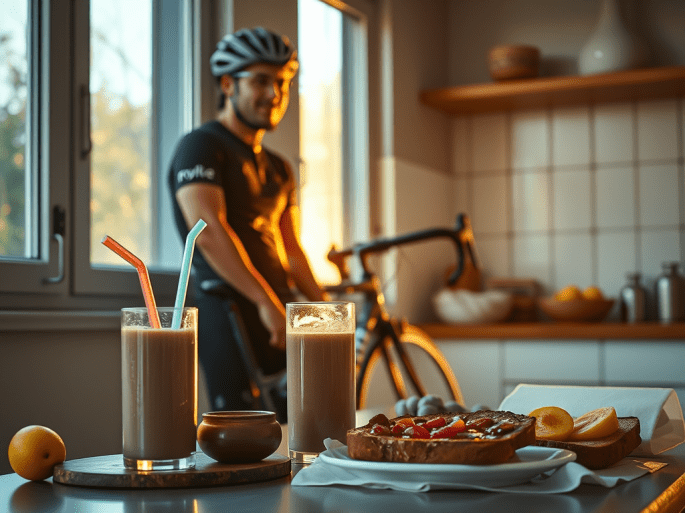
After intense rides, proper nutrition is vital for recovery. The "golden hour" is crucial for glycogen replenishment and muscle repair. Athletes should consume a balanced ratio of carbohydrates and protein, ideally within 30-60 minutes post-ride. Timely nutrition enhances recovery and performance, making it an essential aspect of athletic success.
Tag: Running
The Final Push: Is “Suffering” a Skill You Can Practice?
Mental toughness in cycling is not an innate trait but a learned skill. The brain, rather than the muscles, acts as a performance limiter. Understanding this allows athletes to train their minds for endurance through techniques like breaking down races, using mantras, and focusing on the process, enhancing their overall performance.
The “Perfect” Tire Pressure: More Than Just a Number?
Many cyclists mistakenly believe that harder tires equal faster rides. However, while high pressure reduces rolling resistance on smooth surfaces, it can hinder performance on uneven roads. Lower pressures allow tires to absorb bumps, maintaining momentum and conserving energy. Finding an optimal tire pressure involves using calculators and personal experimentation for better comfort and speed.
The Fickle Friend: Why Pacing by Heart Rate Can Fail You
A heart rate monitor is a common cycling tool, but it may not accurately reflect effort due to factors like cardiac drift. Instead, cyclists should consider using Rate of Perceived Exertion (RPE) and power meters for more precise training. Combining these methods offers a clearer understanding of fitness and performance improvement.
High-Lumen Bike Light Battle: Niterider Lumina 1200 Boost vs. The Alluring “Amazon Special”
There’s a unique magic to riding when the world sleeps. The roads fall silent, the air often cools, and the familiar landscape transforms under the cloak of darkness. For the endurance cyclist, ultra-racer, or dedicated commuter, night riding isn't just an occasional adventure; it's a necessity – a way to extend training windows, conquer 24-hour … Continue reading High-Lumen Bike Light Battle: Niterider Lumina 1200 Boost vs. The Alluring “Amazon Special”
The Endurance Juggling Act: How to Fit Your Training into a Packed Life
The article discusses strategies for athletes to balance training with busy lifestyles. It emphasizes the importance of knowing one's schedule, effective planning, efficiency in workouts, communication with family, and flexibility. By implementing these tactics, athletes can pursue endurance goals sustainably without compromising work, family, or personal time.
How to Optimize Recovery Through Nutrition
Proper nutrition is vital for effective recovery after intense workouts. Focus on three Rs: refuel with carbohydrates, rebuild muscles with protein, and rehydrate fluids and electrolytes. Timing is essential; consume nutrients within 30-60 minutes post-exercise. Adhering to these guidelines boosts recovery, performance, and reduces injury risk significantly.
Optimal Body Fat Percentage in Endurance Sports
Disclaimer: This article is for informational purposes only and is not medical advice. Any significant changes to training, nutrition, or body composition should be discussed with a healthcare professional. Understanding Body Composition in Endurance Sports For endurance athletes, body composition plays a crucial role in performance. Unlike strength athletes who may benefit from increased muscle … Continue reading Optimal Body Fat Percentage in Endurance Sports
Top 5 Fitness Types for Cyclists
Cycling requires a mix of endurance, power, speed, and technical skill. Key fitness components include endurance fitness, aerobic power, anaerobic capacity, muscular strength, and neuromuscular coordination. A structured training plan blending various workouts enhances overall performance, allowing cyclists to improve endurance, power, and efficiency for different riding challenges.
Unlocking Endurance Success: Key Components to Train
Endurance fitness requires a balanced foundation, including power, quickness, endurance, and speed, not just stamina. Each component enhances overall performance for endurance athletes. This week focuses on assessing these four pillars through specific tests, helping athletes identify strengths and weaknesses to improve their fitness and achieve better race outcomes.