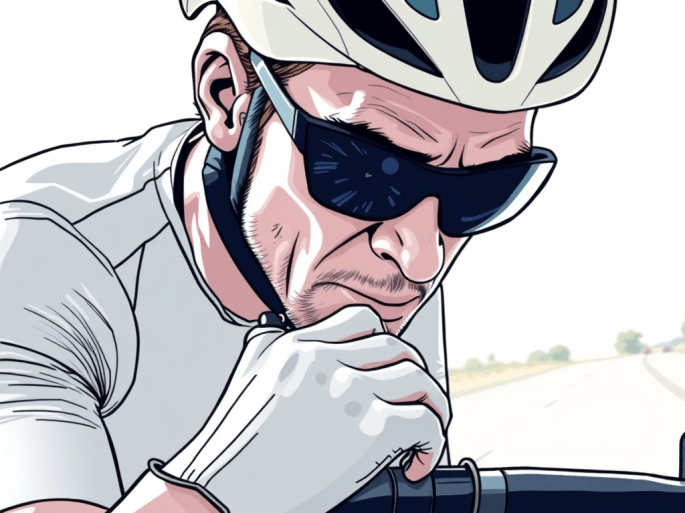
The Data Jungle: When Your Bike Computer Knows Too Much

The modern bike computer enhances cycling by providing real-time metrics that can turn riders into data analysts. However, excessive focus on metrics can detract from the joy of riding. Systems like Xert offer a dynamic approach, simplifying data for effective training while preserving the essence of cycling enjoyment.
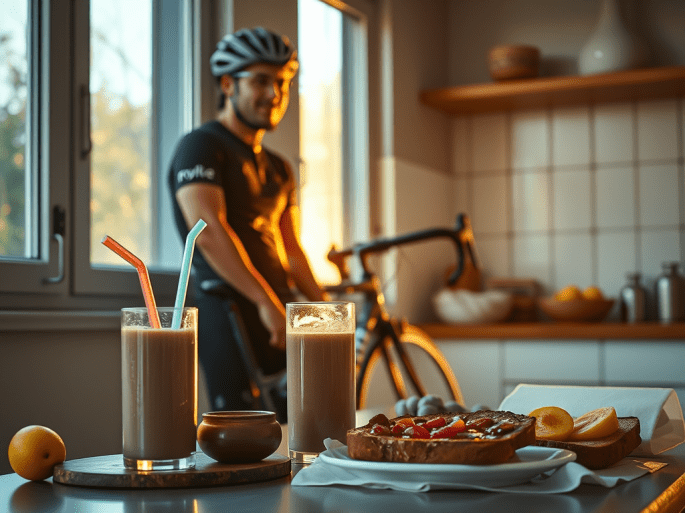
The Golden Hour of Recovery: The Most Important Meal of Your Day?

After intense rides, proper nutrition is vital for recovery. The "golden hour" is crucial for glycogen replenishment and muscle repair. Athletes should consume a balanced ratio of carbohydrates and protein, ideally within 30-60 minutes post-ride. Timely nutrition enhances recovery and performance, making it an essential aspect of athletic success.

The Final Push: Is “Suffering” a Skill You Can Practice?

Mental toughness in cycling is not an innate trait but a learned skill. The brain, rather than the muscles, acts as a performance limiter. Understanding this allows athletes to train their minds for endurance through techniques like breaking down races, using mantras, and focusing on the process, enhancing their overall performance.

The “Perfect” Tire Pressure: More Than Just a Number?

Many cyclists mistakenly believe that harder tires equal faster rides. However, while high pressure reduces rolling resistance on smooth surfaces, it can hinder performance on uneven roads. Lower pressures allow tires to absorb bumps, maintaining momentum and conserving energy. Finding an optimal tire pressure involves using calculators and personal experimentation for better comfort and speed.

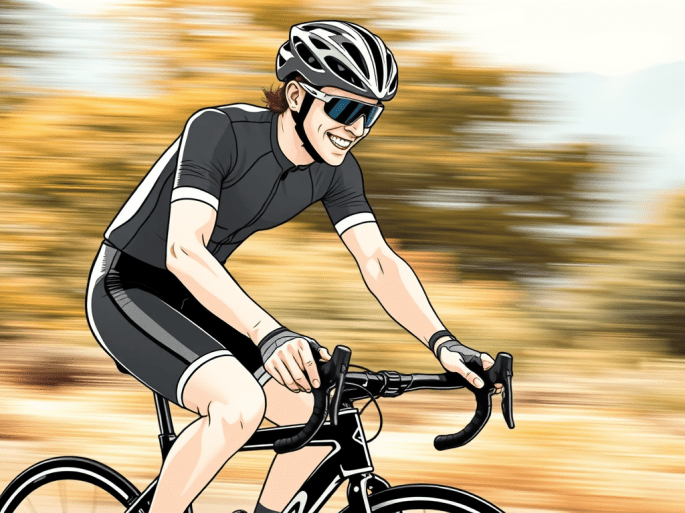
The Fickle Friend: Why Pacing by Heart Rate Can Fail You

A heart rate monitor is a common cycling tool, but it may not accurately reflect effort due to factors like cardiac drift. Instead, cyclists should consider using Rate of Perceived Exertion (RPE) and power meters for more precise training. Combining these methods offers a clearer understanding of fitness and performance improvement.

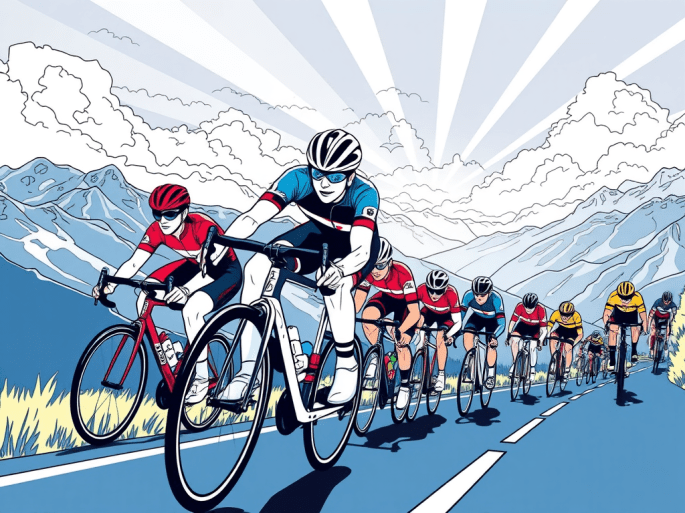
Mastering Endurance: Lessons from the Tour de France

The Tour de France challenges athletes' physical and mental limits through intense endurance and meticulous preparation. Riders burn thousands of calories daily, relying on precise nutrition and recovery strategies. Amateur cyclists can learn valuable lessons regarding fueling, post-ride nutrition, the importance of recovery, and mental resilience to enhance their own cycling performance.

Beyond Hydration: Electrolytes and the hidden heat traps of Summer

You're out there, pushing through the relentless summer heat, mile after scorching mile, or maybe tackling that gnarly trail. The sun beats down, sweat pours, and you do what every seasoned (or aspiring) endurance athlete knows to do: you hydrate. You chug water, bottle after bottle, convinced you're doing everything right. Yet, halfway through your … Continue reading Beyond Hydration: Electrolytes and the hidden heat traps of Summer

High-Lumen Bike Light Battle: Niterider Lumina 1200 Boost vs. The Alluring “Amazon Special”

There’s a unique magic to riding when the world sleeps. The roads fall silent, the air often cools, and the familiar landscape transforms under the cloak of darkness. For the endurance cyclist, ultra-racer, or dedicated commuter, night riding isn't just an occasional adventure; it's a necessity – a way to extend training windows, conquer 24-hour … Continue reading High-Lumen Bike Light Battle: Niterider Lumina 1200 Boost vs. The Alluring “Amazon Special”

The Endurance Juggling Act: How to Fit Your Training into a Packed Life

The article discusses strategies for athletes to balance training with busy lifestyles. It emphasizes the importance of knowing one's schedule, effective planning, efficiency in workouts, communication with family, and flexibility. By implementing these tactics, athletes can pursue endurance goals sustainably without compromising work, family, or personal time.

How to Optimize Recovery Through Nutrition

Proper nutrition is vital for effective recovery after intense workouts. Focus on three Rs: refuel with carbohydrates, rebuild muscles with protein, and rehydrate fluids and electrolytes. Timing is essential; consume nutrients within 30-60 minutes post-exercise. Adhering to these guidelines boosts recovery, performance, and reduces injury risk significantly.