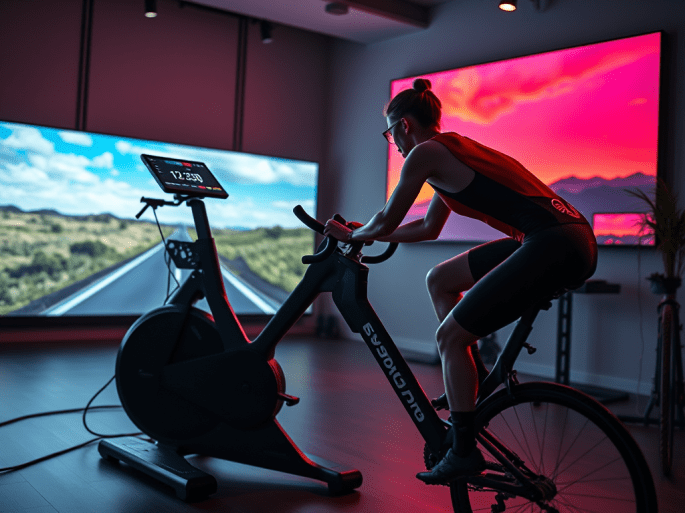
To maintain performance in endurance cycling, athletes must prioritize health through preventive measures. Key strategies include staying updated on vaccinations, practicing good hygiene, wearing respirators in crowded areas, eating a balanced diet, and ensuring adequate sleep. If illness occurs, stay hydrated, treat symptoms, and consider zinc supplementation for quicker recovery.
Category: Training Tips
How to Prevent Bonking: Nutrition and Recovery Tips
Bonking, or hitting the wall, occurs when cyclists deplete glycogen stores, causing fatigue and mental fog. Causes include inadequate nutrition and dehydration. Prevention involves proper pre-ride meals and regular carb intake during rides. Recognizing early signs like fatigue is crucial, and recovery requires high-carb snacks and hydration post-ride to replenish energy.
How Caffeine Enhances Cycling Performance
Caffeine enhances cycling performance by increasing endurance, improving focus, and promoting fat oxidation. Consuming it 30 to 60 minutes before rides and adjusting dosage according to individual tolerance can yield optimal results. Despite its benefits, it's crucial to be mindful of potential side effects and the risk of developing dependence on caffeine.
The Best Energy Gels and Bars for Long Rides
Proper nutrition is vital for amateur cyclists during long rides, impacting performance and enjoyment. Energy gels and bars offer essential carbohydrates, electrolytes, and sometimes caffeine for sustained energy. Different types include high-carb, caffeinated, and electrolyte gels, alongside protein and carb-heavy bars. Timing and moderation are key to avoiding gastrointestinal issues.
How to Use GPS and Mapping Tools for Better Cycling Routes
GPS and mapping tools have transformed cycling by enhancing route planning and navigation, improving efficiency and safety. Popular tools like Strava, Garmin Connect, and RideWithGPS allow users to customize routes based on terrain and performance metrics. Embracing these technologies leads to a more enjoyable cycling experience by reducing stress and optimizing planning.
Boost Your Cycling Speed by learning a bit about Aerodynamics
Aerodynamics is vital for cyclists aiming to enhance performance and speed. It reduces drag, conserving energy and allowing for sustained higher speeds. Key improvements include body positioning, choosing aerodynamic gear, and optimizing posture. Working with a coach can further refine these elements, maximizing performance and achieving significant speed gains.
Cycling Innovations You Need to Know
Over the years, cycling gear has undergone significant transformations, driven by advancements in technology and a relentless pursuit of performance enhancement. From the early days of steel frames and basic rubber tires, we have progressed to highly sophisticated equipment designed to optimize every aspect of the ride. Staying up-to-date with the latest products is crucial … Continue reading Cycling Innovations You Need to Know
Maximize Your Cycling Performance with Power Meters
Cycling power meters enhance training by providing real-time power output data, offering a precise measure of effort beyond traditional metrics. Key concepts include watt measurement, Functional Threshold Power (FTP) for fitness assessment, and power-to-weight ratio for climbing efficiency. These devices help tailor training intensity and track progress, optimizing overall performance.
Heart Rate Training for Cycling
Heart rate monitoring is crucial in cycling, providing real-time feedback on effort intensity, aiding endurance, and enhancing recovery. Cyclists can choose between chest straps and wrist sensors based on comfort and accuracy. Training within specific heart rate zones optimizes performance, while using both heart rate data and power metrics enhances overall training effectiveness.
Science Behind Smart Trainers: Are They Worth the Investment?
In recent years, smart trainers have become a cornerstone of indoor cycling training, offering cyclists a highly effective way to train during the off-season or on rainy days. Unlike traditional trainers, which provide a static resistance based on rider effort, smart trainers use advanced technology to deliver dynamic resistance and integrate seamlessly with virtual platforms … Continue reading Science Behind Smart Trainers: Are They Worth the Investment?