New research indicates that training below sea level, rather than at high altitudes, enhances endurance. The "Live Low, Train Lower" (LLTL) method benefits athletes by increasing oxygen density and stimulating mitochondrial efficiency. Implementing LLTL includes constructing training chambers and deep-sea running. Testimonials highlight significant performance improvements from this innovative approach.
Category: Science of Endurance Series
Keto vs. MyPlate: How Extreme Carb Restriction Stacks Up
A viral TikTok video highlighted a generational clash at Thanksgiving, showcasing differing dietary preferences: keto vs. MyPlate. Keto restricts carbs, leading to nutritional gaps and social isolation, with 80% abandoning the diet within two years. Hybrid approaches are emerging for athletes, seeking balance between keto’s fat-burning and MyPlate’s variety.
Ketosis Unlocked: The Physiology and Evidence Supporting the Keto Diet
The Metabolic Heist: How Ketosis Rewires Your Body In 2016, a team of researchers at the University of British Columbia stumbled onto a metabolic loophole. They discovered that ketones—those unassuming molecules churned out during ketosis—could infiltrate cancer cells, hijack their energy systems, and starve tumors of the glucose they desperately craved. The study didn’t declare … Continue reading Ketosis Unlocked: The Physiology and Evidence Supporting the Keto Diet
The 80/20 Training Rule – Why It Works
28 Days to Your Best Endurance Self: Make the Most of February 2025 Endurance athletes often believe that harder training always leads to better results. But research and elite athlete habits suggest otherwise. The 80/20 training rule is a game-changing approach that helps maximize endurance performance while minimizing the risk of burnout and injury. What … Continue reading The 80/20 Training Rule – Why It Works
Mastering Pacing – Why Going Slower Can Make You Faster
To enhance endurance, athletes should prioritize smart training over pushing limits. Training too hard often leads to burnout and poor recovery. Instead, focusing on easy workouts aids fat-burning, recovery, and aerobic development. Following an 80/20 training model, balancing easy and hard days can help athletes achieve long-term success and prevent injuries.
Winter Training Tips for Cyclists
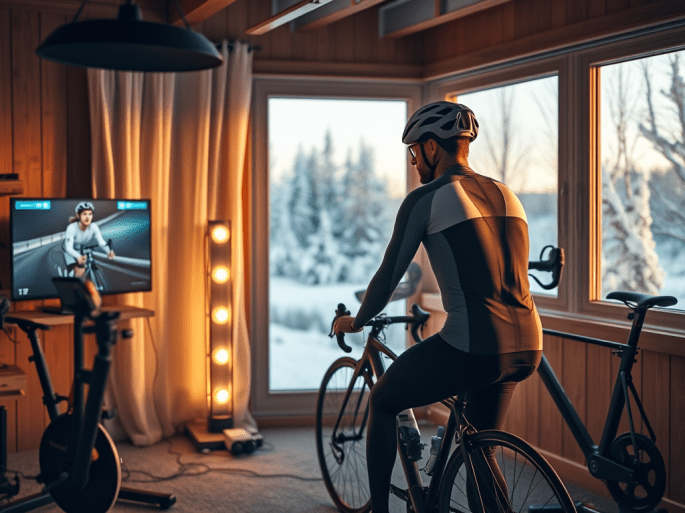
Winter poses challenges for cyclists regarding fitness and safety. Indoor training, utilizing tools like turbo trainers and online platforms, helps maintain consistency despite harsh weather. Outdoor riding requires proper gear and awareness of conditions. Incorporating cross-training can enhance fitness. A structured training plan and motivation strategies are essential for success during the season.
The Role of Antioxidants in Recovery for Cyclists
Antioxidants: Nature's Recovery Agents As cyclists push their bodies to the limits, oxidative stress becomes a significant factor impacting recovery. During intense exercise, the body produces reactive oxygen species (ROS), also known as free radicals. These molecules can cause damage to cells, tissues, and muscles, leading to increased inflammation and delayed recovery. Antioxidants are crucial … Continue reading The Role of Antioxidants in Recovery for Cyclists
How to Prevent Bonking: Nutrition and Recovery Tips
Bonking, or hitting the wall, occurs when cyclists deplete glycogen stores, causing fatigue and mental fog. Causes include inadequate nutrition and dehydration. Prevention involves proper pre-ride meals and regular carb intake during rides. Recognizing early signs like fatigue is crucial, and recovery requires high-carb snacks and hydration post-ride to replenish energy.
How Caffeine Enhances Cycling Performance
Caffeine enhances cycling performance by increasing endurance, improving focus, and promoting fat oxidation. Consuming it 30 to 60 minutes before rides and adjusting dosage according to individual tolerance can yield optimal results. Despite its benefits, it's crucial to be mindful of potential side effects and the risk of developing dependence on caffeine.
The Best Energy Gels and Bars for Long Rides
Proper nutrition is vital for amateur cyclists during long rides, impacting performance and enjoyment. Energy gels and bars offer essential carbohydrates, electrolytes, and sometimes caffeine for sustained energy. Different types include high-carb, caffeinated, and electrolyte gels, alongside protein and carb-heavy bars. Timing and moderation are key to avoiding gastrointestinal issues.