The Invisible Hurdle: How Air Quality Impacts Your Lungs and Performance, Especially in Urban Environments

Urban athletes face significant challenges from air pollution, which can hinder respiratory health and performance. Pollutants like particulate matter, ozone, and nitrogen dioxide irritate airways, reduce lung function, and increase fatigue. By monitoring air quality, adjusting training schedules, and considering indoor workouts, athletes can mitigate these effects and protect their endurance.

Find Your Rhythm: The Untapped Science of Pacing Beyond Heart Rate and Power Meters

Endurance sports rely heavily on metrics like heart rate and power output, but true pacing mastery goes beyond these numbers. It involves understanding perceived exertion, internal cues, and environmental factors. Athletes should cultivate an intuitive connection with their bodies to adapt their pacing strategies effectively and optimize performance while preventing burnout.

Train Smarter, Not Harder: How Your Body Clock Holds the Key to Endurance Success

Endurance athletes often believe "more is better," focusing on quantity rather than quality and timing. Aligning training and recovery with circadian rhythms, governed by the body’s internal clock, enhances performance. Understanding individual chronotypes further optimizes training schedules, enabling athletes to train effectively, recover well, and respect their body’s natural flow for better results.

The Unsung Hero: How Your Digestive Health Impacts Your Endurance Performance

We often talk about pushing our limits, training our muscles until they ache, and fine-tuning our cardiovascular system for peak endurance. We meticulously track our heart rate, analyze our cadence, and obsess over every gram of carbohydrate consumed. But what if the key to unlocking your next personal best lies not just in the well-trodden … Continue reading The Unsung Hero: How Your Digestive Health Impacts Your Endurance Performance

Finding Your Tribe: The Untapped Potential of Group Dynamics in Solo Endurance Sports

Running and cycling, often seen as solo endeavors, can greatly benefit from group dynamics. Building a supportive endurance community enhances motivation, accountability, and shared goals. Training with others not only fosters camaraderie and emotional connections but also provides opportunities for learning and improvement, making the athletic journey more fulfilling and enjoyable.

Finding Your Oasis: The Impact of Urban Green Spaces on Your Running and Cycling Recovery (Beyond the Physical)

Urban endurance athletes encounter unique stressors that hinder recovery, such as noise and air pollution. However, urban green spaces offer vital psychological and physical benefits, aiding relaxation, mood enhancement, and cognitive restoration. Incorporating these natural oases into recovery routines can significantly improve overall well-being and performance. Embrace nature’s restorative power for better recovery.

Decoding Your Dreams: Can Sleep Quality Predict Your Next Personal Best?

This content explores the intricate relationship between dreams and athletic performance, highlighting that while dreams may reflect subconscious thoughts, their predictive value remains unproven. More importantly, it emphasizes the critical role of sleep quality in recovery and performance, advocating for consistent sleep habits to enhance athletic endeavors and achieve personal bests.

The Power of Pre-Race Rituals: How Your Mindset Impacts Endurance Performance

Pre-race rituals significantly influence an athlete's mental state and performance. These intentional sequences, ranging from laying out gear to visualization techniques, help mitigate anxiety, enhance focus, and boost confidence before competitions. Personalization of these routines is key, allowing athletes to feel prepared and in control, ultimately unlocking their endurance potential.

The Effect of Strength Training on Endurance Performance

Strength training significantly benefits endurance athletes by enhancing muscle efficiency, reducing injury risk, and improving performance. Key methods include heavy resistance training, plyometrics, and core exercises. Effective integration involves training on low-intensity days, prioritizing quality, ensuring recovery, and progressing gradually. Embracing these principles leads to greater endurance and efficiency.

Training at Altitude: Who Benefits and Why?

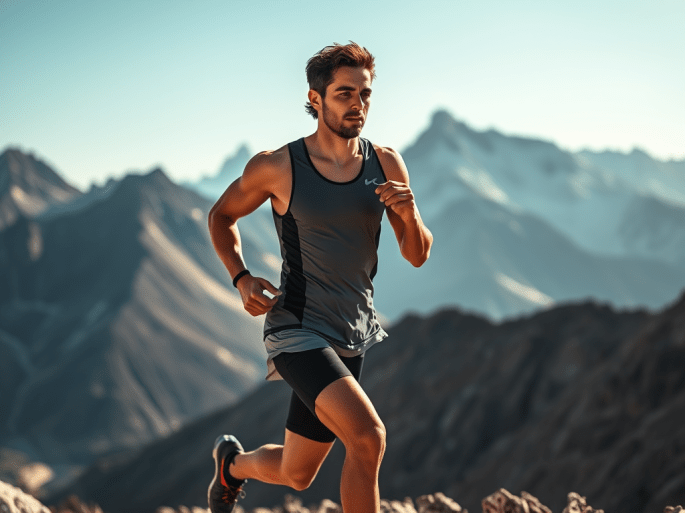
Training at altitude enhances endurance performance by increasing red blood cell production, but benefits vary. Elite athletes gain the most, while recreational athletes face unpredictable results. Strategies like Live High, Train Low maximize adaptation. Proper planning and individualized approaches are essential for successful altitude training outcomes.