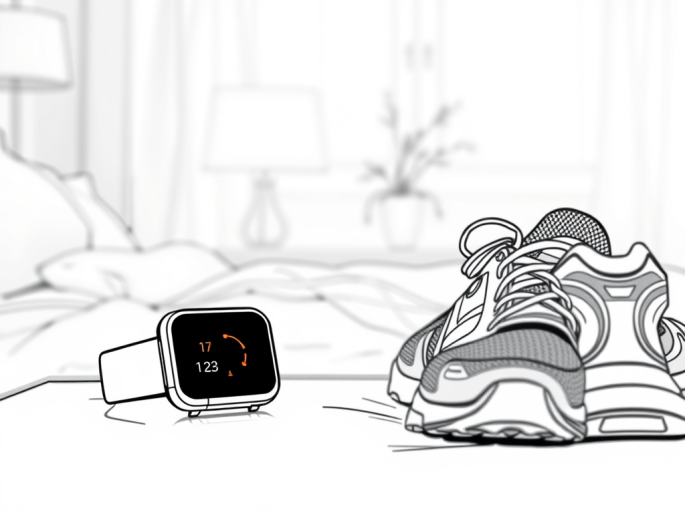
The dilemma of morning training highlights the shift from traditional athlete instincts to data-driven recovery metrics like Heart Rate Variability (HRV). Emphasizing adaptive training over rigid schedules, athletes can avoid burnout by assessing recovery needs through HRV, promoting longevity and effective adaptation based on real-time body readiness signals.
Category: Equipment
Gravel vs. Road Tires: Does Your Rubber Matter More Than Your Bike?
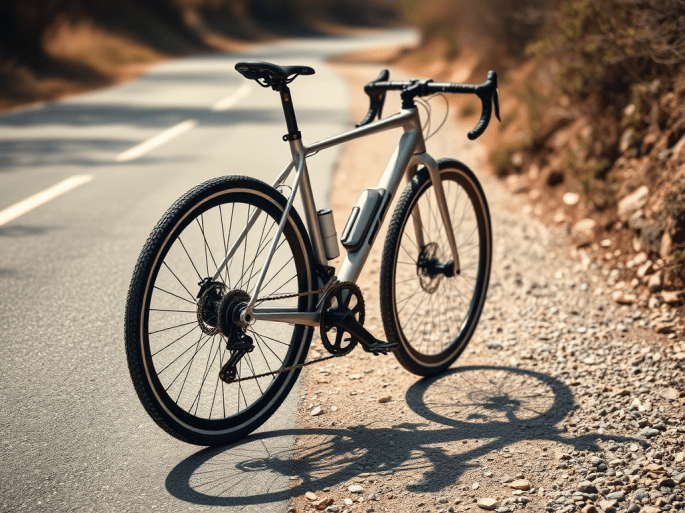
The modern cyclists' preference for a "quiver killer" bike highlights the importance of tires over frame when navigating mixed surfaces. Advancements in tire technology show that wider, lower-pressure tires reduce rolling resistance, providing speed on imperfect roads and gravel. Choosing the right tire can significantly enhance performance and versatility.
The Case for the Single-Gear: Why Going “Fixie” Can Make You a Stronger Rider
The sight of a fixed-gear bike on a group ride can feel a bit out of place. While everyone else is clicking through their gears, adjusting to every undulation in the road, the fixie rider is a study in stoic concentration. Their legs are a blur, constantly spinning, unable to coast. There is no freewheel … Continue reading The Case for the Single-Gear: Why Going “Fixie” Can Make You a Stronger Rider
The Data Jungle: When Your Bike Computer Knows Too Much
The modern bike computer enhances cycling by providing real-time metrics that can turn riders into data analysts. However, excessive focus on metrics can detract from the joy of riding. Systems like Xert offer a dynamic approach, simplifying data for effective training while preserving the essence of cycling enjoyment.
The “Perfect” Tire Pressure: More Than Just a Number?
Many cyclists mistakenly believe that harder tires equal faster rides. However, while high pressure reduces rolling resistance on smooth surfaces, it can hinder performance on uneven roads. Lower pressures allow tires to absorb bumps, maintaining momentum and conserving energy. Finding an optimal tire pressure involves using calculators and personal experimentation for better comfort and speed.
The Fickle Friend: Why Pacing by Heart Rate Can Fail You
A heart rate monitor is a common cycling tool, but it may not accurately reflect effort due to factors like cardiac drift. Instead, cyclists should consider using Rate of Perceived Exertion (RPE) and power meters for more precise training. Combining these methods offers a clearer understanding of fitness and performance improvement.
Cheap Aero Hacks: Are the Internet’s “Free Speed” Tips Legit?
The cycling world is obsessed with speed. We drool over professional-grade bikes, with their $3,000 deep-section carbon wheels, sleek electronic groupsets, and frames that have been painstakingly molded to cheat the wind. We are a community of marginal gains, convinced that the right piece of equipment, no matter the cost, will make us faster. But … Continue reading Cheap Aero Hacks: Are the Internet’s “Free Speed” Tips Legit?
Chamois Cream Alchemy: Do Fancy Formulas Actually Make You Faster?
The quiet hum of a road bike at dawn. The crisp air on a long descent. The sheer, unadulterated pain of a saddle sore blossoming into a full-blown crisis. If you’ve spent any serious time on two wheels, you know that the last one is a very real, and very demoralizing, threat to your ride. … Continue reading Chamois Cream Alchemy: Do Fancy Formulas Actually Make You Faster?
The Dopamine Detox Dilemma: Rebalancing Your Brain in a Hyper-Stimulated World
Our modern world's constant digital stimulation can lead to an overstimulated brain, causing distraction, low mood, and poor focus. This post explores how relentless "dopamine hits" impact attention and motivation. It offers practical strategies for a "dopamine detox" like setting digital boundaries, embracing boredom, and reconnecting with natural rewards, promoting sustainable mental well-being and improved brain health.
Your Digital Health Footprint: Navigating Data Privacy and AI in the Quantified Self Era
This post explores how your wearable tech creates a "digital health footprint," detailing the benefits of biometric data and AI's role in analyzing it. It then critically examines who owns this intimate information, outlining security risks, ethical dilemmas like potential discrimination, and practical steps you can take to protect your privacy in the growing quantified self era.