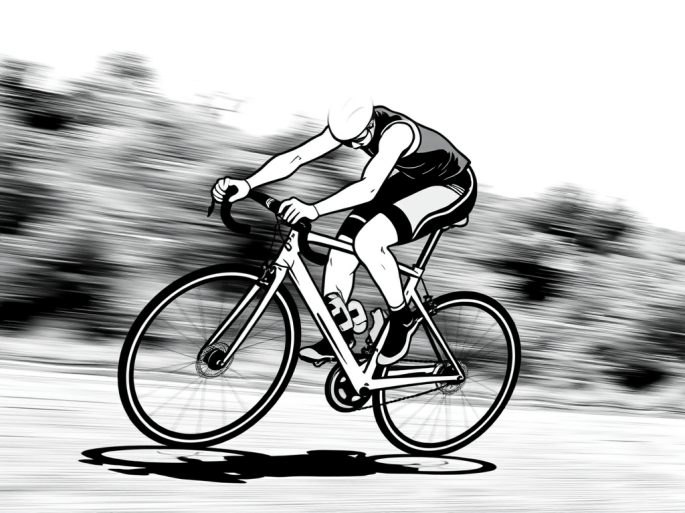
Endurance is about sustaining effort over time, and it can be tested. Endurance is the foundation of every long-distance athlete’s success. Whether you're a marathoner, cyclist, triathlete, or ultra-runner, your ability to maintain effort over extended periods defines your performance. But endurance isn’t just about going long—it’s about sustaining intensity without fading, managing fatigue, and … Continue reading Endurance – The Ultimate Measure of Staying Power

Author: Bryan Coward
Boosting Quickness in Endurance Sports
Quickness is vital for endurance athletes, enhancing agility, responsiveness, and injury prevention. It involves efficient reaction and acceleration, impacting competitive performance and energy efficiency. Key quickness assessments include the Ground Contact Time Test for runners, the 5-10-5 Agility Test for all athletes, and cadence drills for cycling and running.
Power Tests to Improve Athletic Performance
Power isn’t just for sprinters—endurance athletes benefit from strength too. When endurance athletes think about fitness, power isn’t always the first thing that comes to mind. However, power—the ability to generate force quickly—plays a crucial role in everything from climbing hills to maintaining form late in a race. Whether you're a runner, cyclist, or multisport … Continue reading Power Tests to Improve Athletic Performance
Unlocking Endurance Success: Key Components to Train
Endurance fitness requires a balanced foundation, including power, quickness, endurance, and speed, not just stamina. Each component enhances overall performance for endurance athletes. This week focuses on assessing these four pillars through specific tests, helping athletes identify strengths and weaknesses to improve their fitness and achieve better race outcomes.
The 80/20 Training Rule – Why It Works
28 Days to Your Best Endurance Self: Make the Most of February 2025 Endurance athletes often believe that harder training always leads to better results. But research and elite athlete habits suggest otherwise. The 80/20 training rule is a game-changing approach that helps maximize endurance performance while minimizing the risk of burnout and injury. What … Continue reading The 80/20 Training Rule – Why It Works
Mastering Pacing – Why Going Slower Can Make You Faster
To enhance endurance, athletes should prioritize smart training over pushing limits. Training too hard often leads to burnout and poor recovery. Instead, focusing on easy workouts aids fat-burning, recovery, and aerobic development. Following an 80/20 training model, balancing easy and hard days can help athletes achieve long-term success and prevent injuries.
How to Build a Sustainable Training Habit
The post emphasizes the importance of sustainable training habits for endurance athletes. It highlights that consistency, small daily wins, and accountability are crucial for long-term success. By accommodating training within busy lifestyles and focusing on incremental gains, athletes can prevent burnout and injury while building mental toughness. Participants are encouraged to choose one small habit to implement for motivation.
Assess Your Current Fitness – Where Are You Now?
Assessing your current fitness is vital for progress in endurance sports. This guide highlights the importance of early fitness testing and key metrics to measure, including aerobic fitness, speed, muscular endurance, and recovery. It offers simple self-tests for athletes and encourages tracking progress to tailor training and improve performance effectively.
28 Days to Your Best Endurance Self: Make the Most of February 2025
February is an ideal month to establish endurance goals as the New Year's rush fades. Athletes should select an A-race or challenge, break it into smaller milestones, and set monthly mini-goals. Avoid common pitfalls like vague aspirations and ensure a balance between training and personal life to maintain progress throughout the year.
Beyond the Finish Line: Setting Post-Race Goals and Maintaining Momentum
After completing a race, athletes often face a post-race slump, characterized by loss of motivation and potential burnout. It's vital to set new, realistic goals to maintain momentum, prevent burnout, and encourage continuous progress. Reflection, varied training, recovery focus, and engaging with support groups can help sustain motivation and enjoyment in training.