
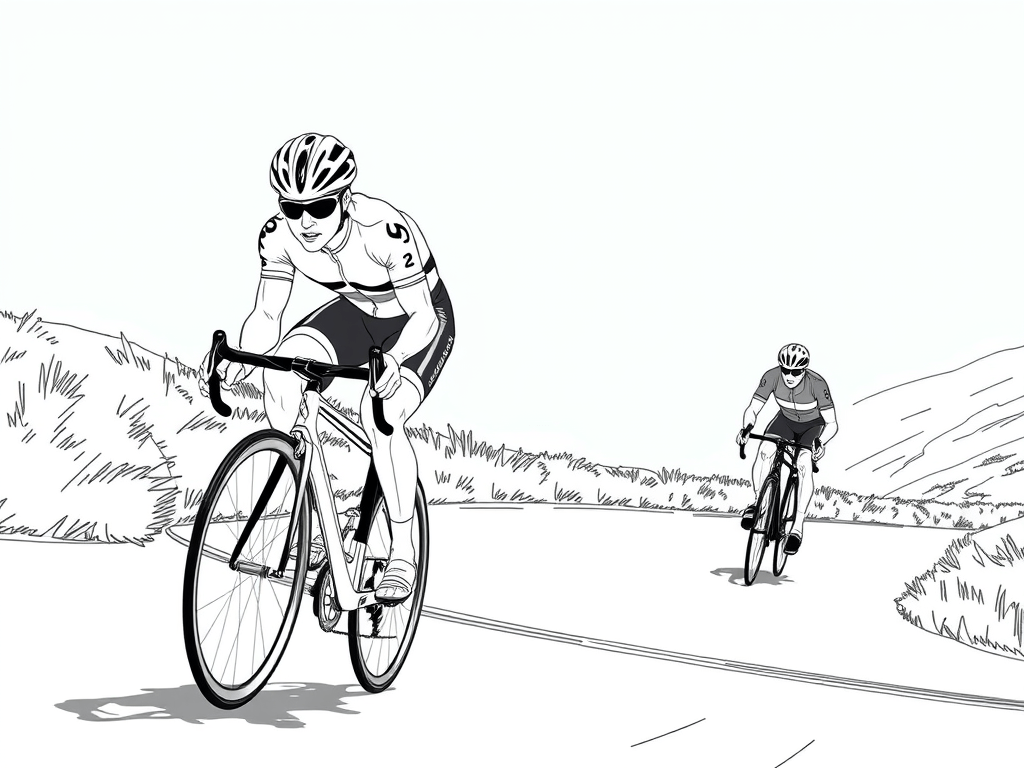
The moment you catch a glimpse of the rider ahead of you, their shoulders slumping just a bit. You see the subtle head shake, the glance down at their bike computer, the sign of a rider on the limit. You know you have them. But knowing you can pass them is only half the battle. The other half is dropping them—making sure they don’t latch onto your wheel and hang on.
The myth is that overtaking is purely about having more power. If you’re a stronger cyclist, you’ll simply ride past them and they’ll fall off the back. While a power advantage is certainly a huge help, racing and even group rides are as much about psychological warfare as they are about physical strength. The goal isn’t just to get by them; it’s to break their will and their rhythm in a way that makes it impossible for them to respond.
The science behind this is fascinating and is rooted in the concepts of perceived effort and breaking momentum. The brain is an excellent central governor. It constantly monitors your physiological state and your perceived effort, sending signals to the rest of your body to slow down or ease up. When you’re pushing your limits, that central governor is in overdrive, and even a small psychological blow can be enough to trigger a full-on collapse. An effective overtake isn’t just a physical attack; it’s a direct assault on the confidence and perceived effort of the rider you’re passing.
So, what are the tactics? The most common mistake is a long, slow-burn pass. You gradually bridge the gap, get to their wheel, and then slowly move past them. This gives them ample time to react, to adjust their effort, and to get into a draft. A far more effective tactic is the “surprise attack.” Once you’re within striking distance, open up a sudden, short, and explosive burst of power to go around them. Your goal is to pass them and then put 50-100 feet of distance between you as quickly as possible. This forces them to make a huge, anaerobic effort to get back on your wheel. Most riders will hesitate, and that split-second decision is all you need to get away.
Another key tactic is understanding “breaking the rhythm.” Most riders have a rhythm that works for them—a certain cadence and gear they’re comfortable in. By surging past them, you force them to break that rhythm. They have to decide if they’re going to respond. That hesitation, even for a moment, often means they’ve lost their momentum and are now trying to chase you down. It’s a much more difficult effort than simply maintaining a consistent pace.
The final piece is knowing when to make your move. This comes from reading the visual cues of your opponent. Are they glancing over their shoulder frequently? Is their form getting sloppy? Are they breathing heavily? These are all signs that they are on their limit. The most powerful attacks often don’t require your absolute maximum effort but are simply a surge timed perfectly to your opponent’s moment of weakness.
The verdict is that winning isn’t just about having the strongest legs; it’s about using your power at the right moment. The art of the overtake is a psychological game. By understanding how to break your opponent’s momentum and confidence, you can drop them even if your physical abilities are evenly matched.
Discover more from ABC Endurance
Subscribe to get the latest posts sent to your email.
