
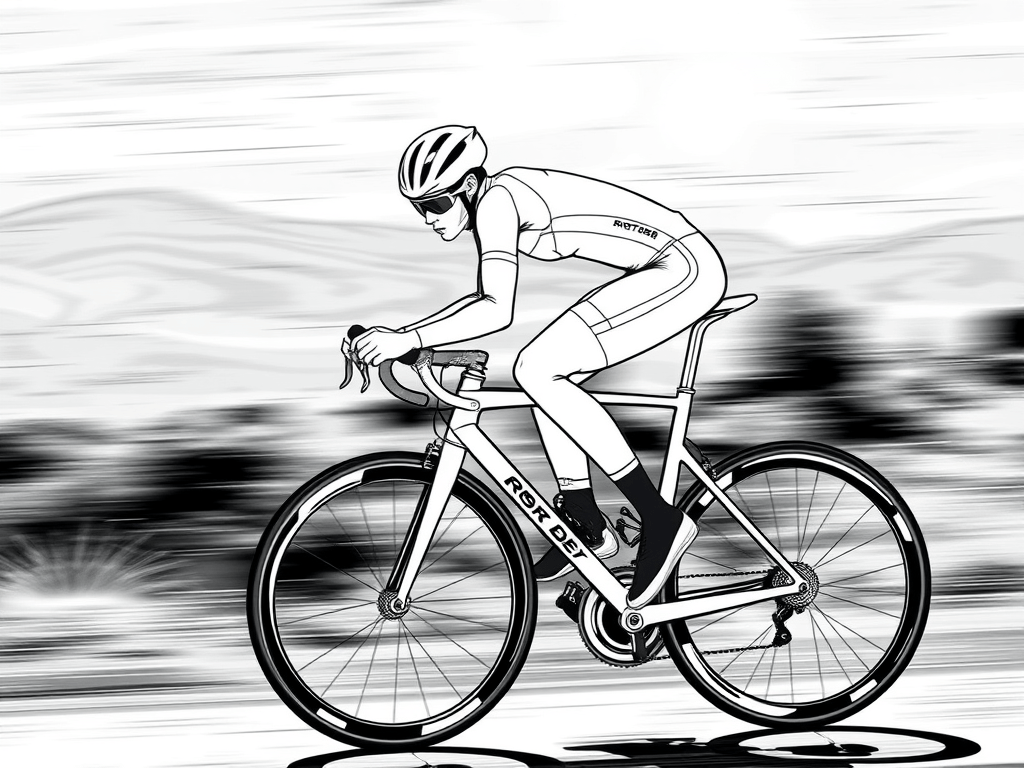
The cycling world is obsessed with speed. We drool over professional-grade bikes, with their $3,000 deep-section carbon wheels, sleek electronic groupsets, and frames that have been painstakingly molded to cheat the wind. We are a community of marginal gains, convinced that the right piece of equipment, no matter the cost, will make us faster. But for every rider saving up for the latest aero frame, there’s another digging through cycling forums, searching for the holy grail of “free speed”—the clever, low-cost aero hacks that promise to save you watts without bankrupting you. Is it really possible that shaving your arms could be as effective as that new aero helmet? Can a roll of electrical tape truly rival a wind tunnel-tested wheel?
It’s a seductive idea that low-cost tweaks can offer the same benefits as expensive, professionally engineered upgrades. The internet is a treasure trove of these tips: tape over your helmet vents, wear a skin-tight base layer, put your spare tube in your jersey pocket instead of under your saddle, or wear overshoes even in warm weather. These hacks are born from a desire to be faster without the financial burden. The myth is that these small, easy changes can somehow stack up to the thousands of dollars spent on a top-tier aero bike. While the pros spend millions on R&D, amateurs believe they can get 90% of the benefit for 0% of the cost. The reality, as always, is a little more nuanced.
To understand which hacks are legit, we need a quick primer on the science of drag. At cycling speeds, over 80% of the resistance you’re fighting comes from the air. This resistance, or drag, is caused by two main factors: form drag and skin friction. Form drag is the most significant, caused by the overall shape of you and your bike as you push through the air. This is why things like aero frames, deep-section wheels, and aero helmets exist—to smooth out your form and reduce the size of your aerodynamic wake. Skin friction is the drag created by air passing over surfaces, and it’s why things like smooth fabrics and shaved legs matter. The faster you go, the more significant drag becomes. This is a key point: a change that saves you 10 watts at 40 km/h might be barely noticeable at 25 km/h. Wind tunnels and CFD (computational fluid dynamics) are the gold standards for measuring these effects, giving us a quantitative way to determine what works and what doesn’t.
Let’s dive into some of the most common internet hacks and see what the science says.
Taping Helmet Vents: This one is a classic. The idea is to create a more solid, smooth surface on your helmet, preventing air from getting trapped in the vents and creating turbulence. Wind tunnel data suggests that this can offer a small but measurable aero benefit. The downside? You’ll get hot. It’s a worthwhile hack for a time trial or a short race where ventilation isn’t a primary concern, but for a long road race on a hot day, the risk of overheating and a subsequent drop in power is far greater than the marginal aero gain.
Tight Base Layers: A loose jersey or flapping base layer acts like a sail, creating significant drag. A tight, form-fitting base layer that smooths the transition from your skin to your jersey can absolutely help. This isn’t really a “hack” as much as it is common sense, but it’s a cheap way to improve aerodynamics. Just make sure the base layer is also breathable to avoid moisture buildup.
Bottle Placement: Aerodynamicists are obsessive about this. A bottle cage on the downtube creates a little bit of turbulence, but it can be surprisingly aero by “fairing” the air around the seat tube. A bottle on the seat tube often fares worse. What about a bottle behind the saddle? This is a great solution for many, as it keeps the bottle out of the main airflow. The key takeaway is that where you put your bottles—and how many you use—matters. If you’re using only one bottle, keeping it on the downtube is often the most aero choice.
Overshoes: This is one of the most effective and low-cost aero upgrades you can make. The laces and buckles on your cycling shoes are a source of turbulence. An overshoe creates a smooth, uninterrupted surface, allowing the air to flow cleanly over your foot. At racing speeds, this can save you several watts, and the benefit is comparable to much more expensive gear. This is a hack that is absolutely legit, and most pros will wear them for every time trial, regardless of the weather.
Shaved Legs and Arms: This is the ultimate rite of passage for many cyclists, and the source of endless debate. The science, however, is clear. Multiple wind tunnel tests have shown that shaved legs offer a measurable, albeit small, aero advantage. While the watt savings are small, they are real. As for arms? The effect is even smaller, but it’s not zero. The combined effect of smooth skin and a tight-fitting jersey and bibs is a testament to the power of managing skin friction.
So, where does that leave us? The evidence suggests that some of these hacks are indeed science-backed, while others are more about psychological comfort or are so marginal they’re only useful in very specific situations. The key takeaway for any amateur cyclist is this: your body is the single biggest source of drag. The most significant “free speed” hack you can implement is simply to get into a more aerodynamic position on the bike. Get lower, tuck your head, and bend your elbows. This one change will save you more watts than all the tape and overshoes in the world combined.
The next biggest factor is your clothing. A tight, non-flapping jersey and bib shorts will save you far more watts than any other low-cost tweak. Once you have your position and clothing dialed in, then you can start looking at the other hacks. Taping your vents, wearing overshoes, and being mindful of your bottle placement can all add up. They won’t magically make you as fast as a rider with a $15,000 aero bike, but they can give you a small, satisfying edge over your competition—and a great story to tell over coffee after the ride.
Discover more from ABC Endurance
Subscribe to get the latest posts sent to your email.
