
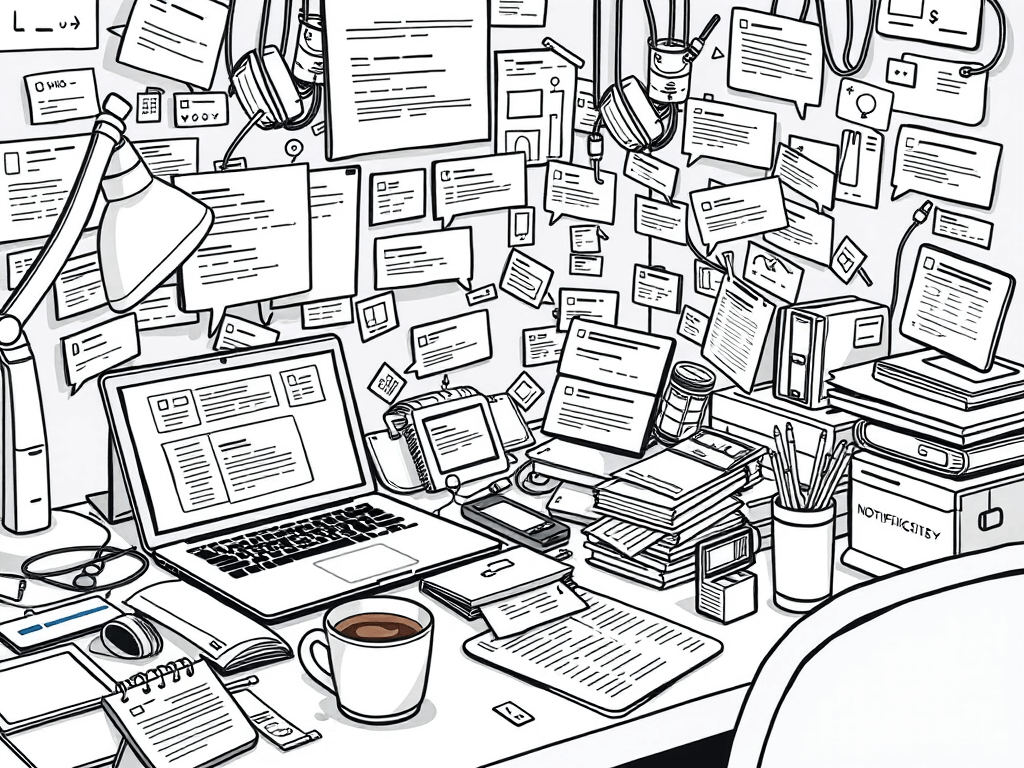
Ding! Another email. Buzz! A new like on your post. Chime! Breaking news alert. Notifications, endless scrolls, instant gratification: our modern world is a constant firehose of digital stimuli, vying for our attention, every second of every day. If you’ve been feeling constantly overwhelmed, perpetually distracted, or just subtly “blah,” like your brain is running on fumes but never quite hitting a real spark, you’re not alone. Maybe your brain isn’t just tired; it’s profoundly overstimulated.
We’re living in an unprecedented era of accessible, on-demand stimulation, and while it offers incredible conveniences and connections, it also presents a unique challenge to our mental well-being. This post will dive into the psychological concept of “dopamine hits” from this constant, accessible stimulation – whether it’s social media, quick entertainment, endless notifications, or even online shopping. We’ll discuss how this relentless input can impact our attention spans, erode motivation, and affect our overall mental health. More importantly, we’ll explore practical strategies for what’s popularly called a “dopamine detox,” guiding you toward more balanced digital consumption and a rebalanced brain.
The Neuroscience of Stimulation: Our Brain’s Reward System on Overdrive
At the heart of this phenomenon is dopamine, a neurotransmitter often associated with pleasure, but more accurately linked to motivation, reward, and seeking behaviors. When we get a notification, a like, or discover something new online, our brain releases a small hit of dopamine, signaling “this is good, do it again!” This creates a powerful feedback loop.
Our brains are wired to seek novelty and reward. In a less digitally saturated world, dopamine was released for achieving goals, finding food, or social connection – requiring sustained effort. Now, we get constant, easy micro-doses: a new email, another video auto-playing, a new text message. Our dopamine pathways are being stimulated at an unprecedented rate, often for minimal effort, leading to a kind of desensitization. Our baseline for what feels “rewarding” shifts, making real-world, slower rewards feel less impactful.
Symptoms of Overstimulation: When Your Brain Says “Enough”
If your brain is constantly running on high alert, you might notice a range of subtle (and not-so-subtle) symptoms:
- Shortened Attention Span: Finding it hard to focus on a book, a long conversation, or a single task without feeling the urge to check your phone.
- Difficulty Focusing: Procrastination, jumping between tasks, or feeling overwhelmed by complex problems.
- Restlessness & Fidgeting: A constant need for external input, feeling uncomfortable in silence or stillness.
- Low Mood/Anhedonia: A general sense of “blah” or difficulty finding joy in activities that used to be pleasurable, because they don’t provide the same immediate “hit.”
- Increased Irritability: Feeling easily frustrated when things don’t load instantly or when you’re forced to wait.
- Procrastination: The dopamine hit of starting a new, easier task outweighs the sustained effort needed for a more important, complex one.
Beyond the “Detox”: Building Sustainable Habits
The term “dopamine detox” gained popularity, often suggesting extreme abstinence from all stimulating activities. While a short, sharp shock can be a helpful reset, the goal isn’t necessarily to become a digital hermit. Instead, it’s about moving past the trendy term to focus on building sustainable habits for mindful technology use that rebalance your brain’s reward system. It’s about intentionality.
Practical Strategies for Rebalancing Your Brain
Here are some actionable steps you can integrate into your daily life:
- Set Digital Boundaries:
- Notification Control: Turn off non-essential notifications on your phone. Most apps don’t need to buzz for every single update. Schedule specific times to check emails and social media.
- App Limits: Use your phone’s built-in features (Screen Time on iOS, Digital Wellbeing on Android) to set daily time limits for addictive apps.
- Device-Free Zones/Times: Designate certain areas (e.g., bedroom, dining table) or times (e.g., the first hour of waking, the last hour before bed) as completely device-free.
- Create “Analog” Spaces: Make physical spaces in your home that are specifically for non-digital activities. A comfortable reading nook, a meditation cushion, a craft table. Make these spaces inviting and free from digital distractions.
- Embrace Boredom as a Creative Catalyst: We’ve become experts at immediately filling any void of boredom with a screen. Resist the urge! Let your mind wander. Boredom is often the fertile ground where creativity, problem-solving, and self-reflection can flourish. This builds your “boredom tolerance” muscle.
- Practice “Deep Work”: Dedicate uninterrupted blocks of time (e.g., 60-90 minutes) to a single, focused task. Turn off notifications, close irrelevant tabs, and commit to immersion. This trains your attention span.
- Reclaim Your Mornings and Evenings: Instead of reaching for your phone first thing in the morning or scrolling before bed, establish screen-free routines. Read a physical book, meditate, stretch, write in a journal, or simply sit in silence. This sets a calm tone for your day and prepares your brain for restful sleep.
Reconnecting with Natural Rewards: Finding Joy in Sustained Effort
The ultimate goal of rebalancing is to allow your brain to rediscover the joy and motivation that comes from more natural, sustained rewards:
- Sustained Effort: The satisfaction of completing a challenging project, learning a new skill, or finishing a long workout.
- Nature: Spending time outdoors without a screen, observing the natural world, feeling the sun or wind.
- Deep Connections: Engaging in present, undistracted conversations with loved ones.
- Sensory Experiences: Savoring a delicious meal, listening to music, engaging in a craft or hobby.
These activities provide a more stable, enduring sense of well-being, rather than the fleeting spikes of digital dopamine.
The Long Game: An Ongoing Practice for Sustained Well-Being
Rebalancing your brain isn’t a one-time “detox” event; it’s an ongoing practice, a continuous negotiation with our hyper-stimulated world. It’s about cultivating self-awareness, setting intentional boundaries, and consistently choosing activities that nourish your mental health. In a world constantly vying for your attention, mastering the art of digital mindfulness is one of the most powerful things you can do for your focus, your motivation, and your overall peace of mind. Your brain will thank you.
Discover more from ABC Endurance
Subscribe to get the latest posts sent to your email.
