
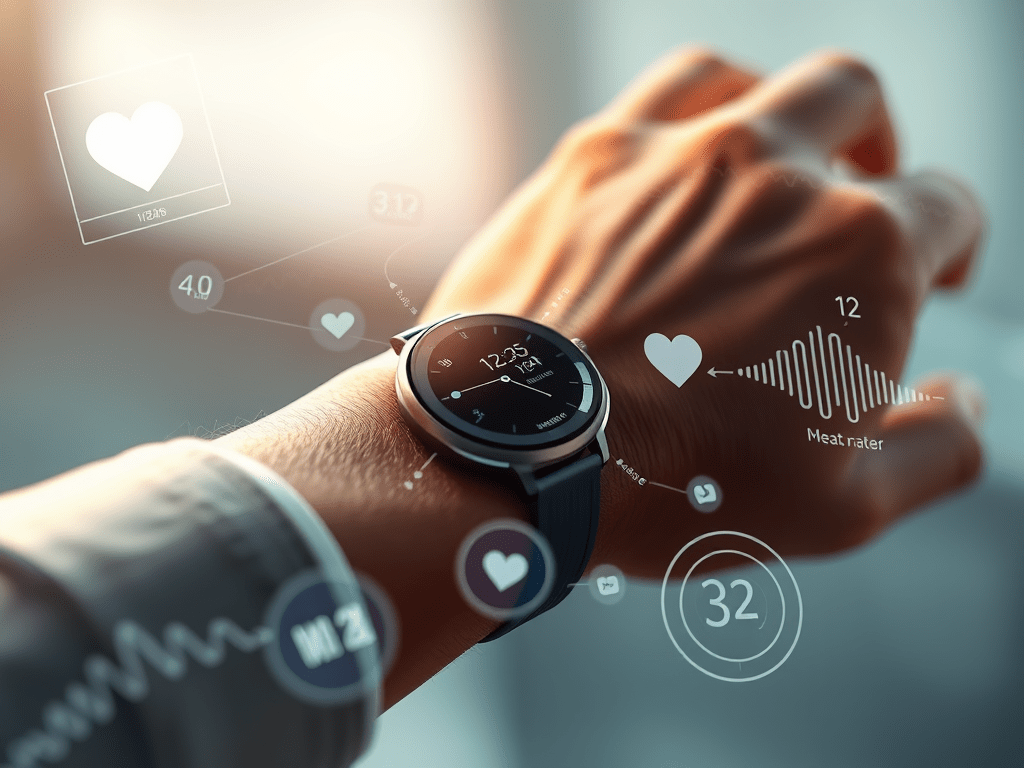
It’s on your wrist, in your pocket, or perhaps even embedded in your clothing. Your smartwatch, fitness tracker, or smart ring is constantly collecting a torrent of data: your sleep patterns, heart rate variability, daily step count, calories burned, stress levels, and even subtle changes in your body temperature. In many ways, this tiny device knows more about your intrinsic biological rhythms and daily habits than your closest friends, family, or perhaps even your doctor.
We’ve truly entered the “quantified self” era, where collecting personal health data is not just commonplace, but often actively encouraged for optimizing well-being. But as we embrace the immense benefits of these technologies for health improvement, a critical question looms large: Who truly owns this intimate digital health footprint, and how exactly is AI leveraging it? This post will explore the complex intersection of wearable technology, personal health data, and artificial intelligence, balancing the undeniable advantages with a crucial look at potential risks, ethical considerations, and the paramount importance of informed consent.
The Benefits of Biometric Data: Insights at Your Fingertips
Let’s start with the upside, which is compelling. The continuous stream of biometric data from our wearables offers unprecedented insights into our health:
- Personalized Insights: Moving beyond generic health advice, your device can show you how your sleep specifically impacts your performance, or how your stress levels correlate with your heart rate.
- Early Warning Signs: Subtle, consistent deviations in metrics like resting heart rate or HRV can sometimes flag potential illness, overtraining, or even emerging health conditions before overt symptoms appear.
- Tracking Progress & Motivation: Seeing tangible data points of improved sleep quality, increased activity, or lower stress can be incredibly motivating and validate your efforts.
- Performance Optimization: For athletes, these insights are invaluable for optimizing training load, recognizing recovery needs, and peaking for events.
The AI Engine: Making Sense of the Data Deluge
Behind those neat graphs and actionable insights lies the power of Artificial Intelligence. It’s not just showing you numbers; it’s crunching vast, complex datasets to derive meaningful (and sometimes misleading) conclusions.
- Pattern Recognition: AI algorithms excel at identifying subtle patterns and correlations in your data that a human might never spot. For example, correlating a dip in HRV with a stressful meeting or a restless night’s sleep.
- Predictive Analytics: AI can use your historical data to predict future trends – your optimal bedtime, when you might be prone to burnout, or even potential health risks based on long-term biometric changes.
- Personalized Recommendations: This is where the “smart” comes in. AI uses your data to offer tailored advice, whether it’s suggesting a guided meditation for stress, recommending an earlier bedtime, or nudging you to get more steps.
Who Owns Your Data? The Shifting Sands of Ownership
This is where things get murky. You generate the data, but do you truly own it?
- Terms of Service: When you click “agree” to those lengthy terms of service, you’re often granting the device manufacturer and related platforms extensive rights to collect, store, and process your data. This can include anonymizing it and using it for research, product development, or even aggregated statistical analysis that might be sold to third parties.
- Data Monetization: While often anonymized and aggregated, your data is valuable. Companies can sell insights derived from large user datasets to researchers, advertisers, insurance companies, or pharmaceutical firms.
- Third-Party Access: Many apps and services integrate with your wearable data. Each integration requires granting permissions, potentially expanding the circle of entities with access to your health information.
Security Risks: The Vulnerability of Sensitive Health Data
Any time data is collected, stored, and transmitted, there’s a risk. Health data is particularly sensitive.
- Data Breaches: No system is entirely foolproof. A breach could expose highly personal information, leading to identity theft, targeted scams, or even discrimination.
- Misuse of Data: Even without a breach, anonymized data, when combined with other data points, can sometimes be de-anonymized. This could potentially lead to your health information being used in ways you never intended, such as for targeted advertising for health products, or even potentially influencing insurance premiums (though regulations vary widely).
Ethical Dilemmas: Unintended Consequences of Predictive Analytics
As AI becomes more sophisticated in predicting health outcomes, new ethical quandaries emerge.
- Potential for Discrimination: Could predictive health analytics lead to unfair categorization or even discrimination by employers or insurance providers based on perceived future health risks?
- Targeted Advertising: Imagine your device noting increased stress patterns, leading to a flood of targeted ads for anxiety medication or stress relief products.
- Accuracy and Bias: AI models are only as good as the data they’re trained on. If data sets are biased, the conclusions drawn by AI could perpetuate inequities or lead to inaccurate assessments for certain populations.
- The “Nudge” Economy: How much should AI influence our health behaviors, and at what point does a helpful nudge become an overbearing intrusion?
Empowering Yourself: Practical Steps to Protect Your Digital Health Footprint
Navigating this complex landscape doesn’t mean abandoning wearable tech. It means becoming a more informed and proactive participant.
- Read the Privacy Policy (Yes, Really!): Before you buy a new device or download an app, take a few minutes to skim the privacy policy. Understand what data is collected, how it’s used, and whether it’s shared.
- Review Permissions Regularly: Go into your device and app settings periodically and review what permissions you’ve granted. Revoke access for apps you no longer use or trust.
- Use Strong, Unique Passwords: Basic cybersecurity is paramount for any account holding personal data.
- Understand Data Aggregation: Be aware that even anonymized data contributes to larger trends that can be sold.
- Be Mindful of Third-Party Integrations: Each time you connect your wearable data to another app (e.g., a diet tracker, a social fitness platform), you’re expanding the exposure of your data. Consider if the benefit outweighs the privacy implications.
- Seek Secure Devices/Platforms: Research companies known for their strong privacy practices and robust security measures.
The Takeaway: Control Your Narrative in the Quantified Self Era
The quantified self era offers unparalleled opportunities for personal health optimization. Wearable technology, powered by AI, can be an incredible partner in understanding and improving your well-being. However, with great data comes great responsibility – both for the companies collecting it and for us, the users generating it. By staying informed, actively managing your privacy settings, and understanding the ethical landscape, you can ensure your digital health footprint empowers you, rather than exposes you, in this exciting, data-rich future.
Discover more from ABC Endurance
Subscribe to get the latest posts sent to your email.
