
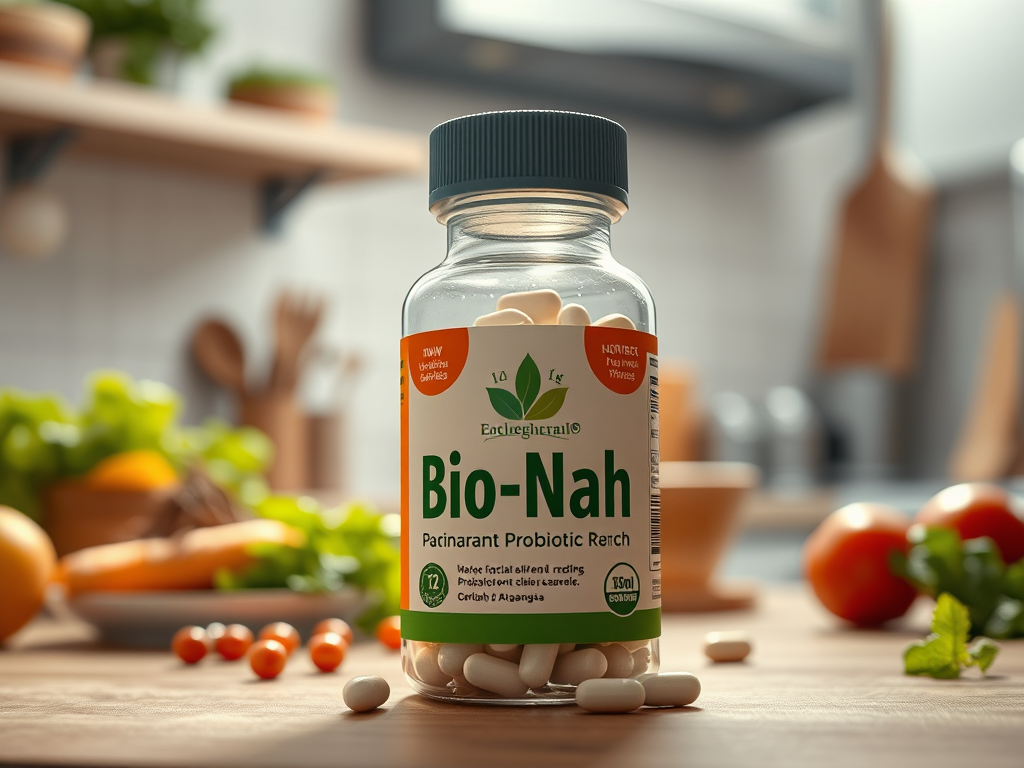
Today, a break from the typical posts on this site. I’ve a bone to pick, due to a recent bombardment of ads for a specific supplement, “Bioma”. If you’ve not been subjected to their brutal advertising blitz, you’ve no doubt seen a similar product add via your social media feed. They include glowing testimonials and slick ads promising an effortless “gut reset” that magically leads to weight loss. The allure of a simple pill to tackle stubborn belly fat, curb cravings, and transform your body from the inside out is, undeniably, powerful. We’ve all seen them – those captivating short videos, often featuring seemingly relatable influencers, touting the wonders of Bioma and its “probiotic” formula.
In the ever-expanding universe of health supplements, probiotics have soared to superstardom. They’re often pitched as the magic bullet for everything from improving digestion and mood to boosting immunity, and, perhaps most enticingly, orchestrating significant weight loss. Companies like Bioma are pouring millions into influencer marketing and cell phone advertising, making bold, often emotional, claims about their products. But as discerning consumers, we have to ask: Is this dazzling hype truly backed by robust science, or are we being sold a pricey dream wrapped in a pretty, digitally-rendered bow?
This post isn’t here to bash gut health – it’s a vital component of overall well-being. Instead, we’re here to apply a healthy dose of skepticism. We will dissect the specific claims made by companies like Bioma, particularly their ambitious promises regarding weight loss, fat reduction, and the elusive “hunger hormone.” We’ll delve into the “research” they cite, examining its nuances and limitations. Finally, we’ll compare their expensive bottled solution to a more accessible, evidence-supported approach: embracing high-quality, probiotic-rich foods that you can find in your local grocery store right now.
For the sake of your health, your long-term wellness, and, frankly, your hard-earned money, understanding the genuine science (or glaring lack thereof) behind these trendy supplements is absolutely crucial. Don’t fall prey to clever, predatory marketing when a more effective, affordable, and sustainable solution might already be chilling in your fridge. While the idea of a “gut reset” for effortless weight loss is certainly appealing, a critical look at the claims made by supplements like Bioma, juxtaposed with the actual scientific literature and the tangible benefits of dietary probiotics, reveals a compelling truth: a daily serving of high-quality yogurt may offer comparable or even superior benefits at a fraction of the cost.
The Bioma Buzz: Deciphering the Claims and Their “Science”
If you own a smartphone, you’ve likely encountered Bioma’s pervasive advertising. The ads are slick, often featuring relatable individuals sharing transformative weight loss stories, attributing their success to this “revolutionary” probiotic. They highlight a few key benefits, often linking directly to studies that supposedly prove their efficacy. I’ve copied the main claims from their website. Let’s peel back the layers of these claims and see what the “science” really says.
Claim 1: “Probiotics lower hunger hormone.”
This is a particularly enticing claim, hinting at a magic bullet for appetite control. Bioma’s advertising might point to snippets like this from a study:
- “LPR-induced weight loss in women was associated not only with significant reductions in fat mass and circulating leptin concentrations…”
Our Critique: This specific quote originates from a study on a very particular probiotic strain: Lactobacillus rhamnosus CGMCC1.3724 (LPR). While Bioma’s advertised blend mentions strains like Bifidobacterium lactis, B. longum, and B. breve, it does not explicitly list this specific LPR strain as a primary component. This immediately raises a red flag. Probiotic effects are highly strain-specific. What one Lactobacillus strain might do, another might not, or could even have an entirely different effect.
Furthermore, even if a study shows a correlation between a specific probiotic and a reduction in leptin (a hormone associated with satiety), it doesn’t definitively prove that a generic “probiotic” in a capsule directly controls your hunger hormones or leads to significant, sustainable weight loss for everyone. Hormone regulation is an incredibly intricate system, influenced by countless factors beyond a single supplement. It’s not a simple “on/off” switch.
Claim 2: “Lower body weight” and “Lower fat mass.”
These are the big ones, the core promises that grab attention. Bioma ads often showcase graphs implying dramatic changes. The quoted research snippets supporting these claims often refer back to the same LPR study:
- “…during phase 1, reductions in body weight and fat mass were more pronounced in the LPR-treated women than in the placebo-treated women (changes in body weight compared with those observed with the placebo treatment: − 1.8 (se 0.8) kg; P= 0.02; changes in fat mass compared with those observed with the placebo treatment: − 1.23 (se 0.66) kg; P= 0.06…”
- “…at the end of phase 2, reductions in body weight and fat mass were more pronounced in the LPR-treated women than in the placebo-treated women (changes in body weight compared with those observed with the placebo treatment: − 2.6 (se 1.1) kg; P= 0.02; changes in fat mass compared with those observed with the placebo treatment: − 2.54 (se 1.01) kg; P= 0.01…”
Our Critique: Let’s look at those numbers closely.
- Body Weight Reduction: -1.8 kg (approximately 4 lbs) in Phase 1 and -2.6 kg (approximately 5.7 lbs) in Phase 2. While any weight loss can feel good, these are relatively small numbers, especially when considering the continuous monthly investment you’d make in the product.
- Fat Mass Reduction: -1.23 kg (approx. 2.7 lbs) and -2.54 kg (approx. 5.6 lbs). Again, modest figures.
- Gender Specificity: Crucially, the cited LPR study found these results to be significant only in women, with no significant difference observed in men. Bioma’s general advertising rarely, if ever, highlights this critical limitation, often implying universal benefits.
- “Corrected for baseline values”: This scientific phrasing is often used to make results sound more robust, but it simply means they accounted for starting differences between groups. It doesn’t inflate the actual modest weight loss.
Claim 3: “Abdominal visceral and subcutaneous fat areas.”
This claim speaks to targeting stubborn belly fat, a common concern. The supporting text often states:
- “In the active FM group, abdominal visceral and subcutaneous fat areas significantly (P<0.01) decreased from baseline by an average of 4.6% (mean (confidence interval): -5.8 (-10.0, -1.7) cm(2)) and 3.3% (-7.4 (-11.6, -3.1) cm(2)), respectively.”1
Our Critique: Here’s where the “cherry-picking” of research becomes evident. This specific claim, and the accompanying data, comes from a study on a completely different probiotic strain: Lactobacillus gasseri SBT2055. This strain was studied in the context of fermented milk, not necessarily a capsule blend, and in a different population. Bioma’s advertisements stitch together findings from disparate studies on various probiotic strains to create a broad narrative of efficacy for their generic “probiotic” blend. This is a classic marketing tactic to make unsubstantiated claims sound scientifically robust. Again, the percentage reductions are relatively small changes in absolute terms.
The Price Tag: The Bottom Line
When all these claims are considered, the final piece of the puzzle is the cost: Bioma often retails for around $48 per month. When you weigh the modest, gender-specific, and sometimes tenuously linked scientific claims against a recurring charge that quickly adds up to hundreds of dollars a year, the question becomes stark: is this genuinely a wise investment in your health and weight loss journey?
The (Real) Science Behind Probiotics and Weight Management: A Nuanced View
The world of gut microbiome research is undoubtedly one of the most exciting frontiers in health science today. We’re learning more and more about the intricate connections between our gut bacteria and everything from digestion and immunity to mental health and, yes, even metabolism and weight. However, it’s crucial to understand that this field is still in its early stages, especially when it comes to direct, predictable, and significant weight loss outcomes from probiotic supplementation alone.
The gut-brain axis – the bidirectional communication pathway between your gut and your brain – is a fascinating reality. It influences satiety, mood, and even how we process certain nutrients. But the idea that simply adding a “probiotic” pill will flawlessly manipulate this axis for easy weight loss is a significant oversimplification.
Strain Specificity is Key (and often Ignored by Marketers): This cannot be emphasized enough. When studies show a positive effect of a probiotic, it’s almost always attributed to a very specific strain of bacteria (e.g., Lactobacillus rhamnosus GG, or Bifidobacterium lactis HN019). Each strain is like a different tool in a toolbox, with unique properties and effects. A generic “probiotic” blend that doesn’t explicitly name and demonstrate the efficacy of its specific strains for the advertised benefits is a major red flag. Bioma’s broad claims about “probiotics” aiding weight loss, while citing studies on specific strains, often fails to clearly link those exact strains to its own formula, creating a misleading impression.
Beyond the Capsule: A Holistic Ecosystem: A truly healthy gut microbiome isn’t built or maintained by a single capsule. It’s a complex, dynamic ecosystem influenced by a multitude of factors:
- Diet: The most significant influencer. A diet rich in diverse fibers (from fruits, vegetables, whole grains, and legumes) acts as prebiotics, feeding your beneficial gut bacteria.
- Lifestyle: Chronic stress, lack of sleep, and sedentary habits can negatively impact gut diversity.
- Exercise: Regular physical activity has been shown to positively influence gut microbial composition.
- Medications: Antibiotics, in particular, can drastically alter the gut microbiome.
- Genetics: Your unique genetic makeup also plays a role in shaping your gut.
Reliance on a single supplement without addressing these foundational elements is like trying to water a single plant in a barren desert. For true, lasting gut health and metabolic benefits, a holistic approach is always paramount.
Your Fridge vs. Their Bottle: The Power of Probiotic-Rich Yogurt
Given the nuanced (and often underwhelming) science behind generic probiotic supplements for weight loss, let’s explore a more accessible, affordable, and evidence-supported alternative that you can easily incorporate into your daily routine: high-quality, probiotic- and prebiotic-containing yogurt.
The Yogurt Advantage:
A daily serving of yogurt can be a powerful addition to your diet. It’s not just a source of beneficial bacteria; it’s a nutrient-dense food that contributes to overall health and satiety, which are crucial for sustainable weight management.
What to Look For in a Yogurt:
When selecting your yogurt, keep these points in mind:
- “Live and Active Cultures”: This is the gold standard. Look for this phrase on the label to ensure you’re getting a product with viable probiotic bacteria. Without it, you’re just eating fermented milk that may have lost its beneficial microbes during processing.
- Specific Strains: While not all yogurts list the specific strains, many high-quality brands do. Look for common beneficial strains like Lactobacillus acidophilus, Bifidobacterium lactis, Lactobacillus rhamnosus, or Lactobacillus bulgaricus. Remember, some studies have shown some impact of some specific strains (like L. rhamnosus or L. gasseri, the very ones Bioma cites) on weight or satiety, but these are often observed in the context of food consumption or very specific research isolates, not necessarily the broad, unspecific blends in many supplements.
- Prebiotic Fiber: Many yogurts naturally contain prebiotics (fibers that feed your good gut bacteria). Even better, you can easily add your own by mixing in fruits (like berries or bananas), oats, chia seeds, or a spoonful of inulin powder. This provides a synergistic “synbiotic” effect, feeding the beneficial bacteria you’re introducing.
- Protein Content: Greek yogurt, in particular, is a powerhouse of protein. Protein is well-established to promote satiety, helping you feel fuller for longer and reducing overall calorie intake. This directly aids in weight management.
- Low Added Sugar: Be wary of yogurts packed with added sugars, as these can negate the benefits and contribute to unwanted calories. Opt for plain varieties and sweeten them naturally with fruit or a touch of honey if desired.
Cost Comparison: Your Wallet’s Best Friend
Let’s do the math.
- The average cost of a high-quality, probiotic-rich yogurt (like Greek yogurt) is approximately $0.75 – $1.50 per serving (for a 5-6 oz container).
- Consuming one serving daily for a month would cost roughly $22.50 – $45.
Now compare that to Bioma’s $48 per month.
Are the Expected Results Any Different Based on the Research?
Consider the LPR study cited by Bioma: the reported weight loss was modest (1.8-2.6 kg, or 4-5.7 lbs, for women). The fat mass reduction was similarly modest (1.23-2.54 kg, or 2.7-5.6 lbs).
A comprehensive dietary approach that includes a high-protein, probiotic-rich food like yogurt, alongside a balanced diet rich in whole foods and fiber, is likely to yield at least comparable, if not superior, results for weight and fat loss. Why? Because you’re getting the combined benefits of:
- Satiety: The protein in yogurt helps you feel full, reducing overall calorie intake.
- Nutrient Density: Yogurt provides essential calcium, Vitamin D, and other nutrients that contribute to overall health.
- Broader Gut Health: You’re nurturing your gut microbiome through dietary fiber (prebiotics) and diverse beneficial bacteria from food sources, creating a more robust and resilient gut environment.
- Tangible Nutrition: Unlike a supplement capsule, yogurt is a food that provides energy and nutrients your body can actually use.
The key difference is that with yogurt, you’re investing in tangible, wholesome nutrition that offers a multitude of health benefits beyond just probiotics, and without the exorbitant price tag of a single, often unsubstantiated, pill.
Beyond the Pill: Holistic Gut Health for Endurance Athletes
While the allure of a quick fix in a capsule is strong, true, lasting gut health and sustainable weight management, especially for endurance athletes, hinges on a broader, more holistic approach:
- Food First Philosophy: This is the bedrock. Prioritize a diverse, whole-foods diet rich in fiber from fruits, vegetables, whole grains, and legumes. These provide the essential prebiotics that nourish your beneficial gut bacteria and help them thrive. Think vibrant salads, hearty whole-grain bowls, and plenty of plant-based snacks.
- Lifestyle Factors: Your gut is deeply connected to your overall well-being. Prioritize adequate sleep, manage stress through practices like mindfulness or meditation, and maintain consistent exercise. All these factors profoundly influence the composition and function of your gut microbiome.
- Consult a Professional: Before embarking on any new supplement regimen or making drastic dietary changes, always consult with a registered dietitian or a healthcare professional. They can provide personalized advice based on your individual health profile, goals, and any underlying conditions.
Invest Wisely in Your Health
The promise of a “gut reset” for effortless weight loss, heavily advertised by companies like Bioma, is undoubtedly appealing. However, a critical examination of their claims, juxtaposed with the actual (often modest and specific) research they cite and the broader science of gut health, reveals a significant gap between marketing hype and scientific reality.
While the idea of a simple $48 pill might sound convenient, it’s rarely the most effective or sustainable path to long-term health and weight management. Instead, your gut (and your wallet) will thank you for choosing evidence-backed, sustainable strategies. Consider making a delicious, nutrient-dense serving of high-quality probiotic and prebiotic-rich yogurt a daily part of your routine. It offers comparable or superior benefits to the supplements, comes with tangible nutritional value, and provides a broader, more holistic approach to nurturing your precious gut microbiome.
Don’t let flashy ads dictate your health investments. Choose wisdom over whim, and real food over dubious promises. Invest wisely in your health, and empower your body to thrive from the inside out.
Discover more from ABC Endurance
Subscribe to get the latest posts sent to your email.
