
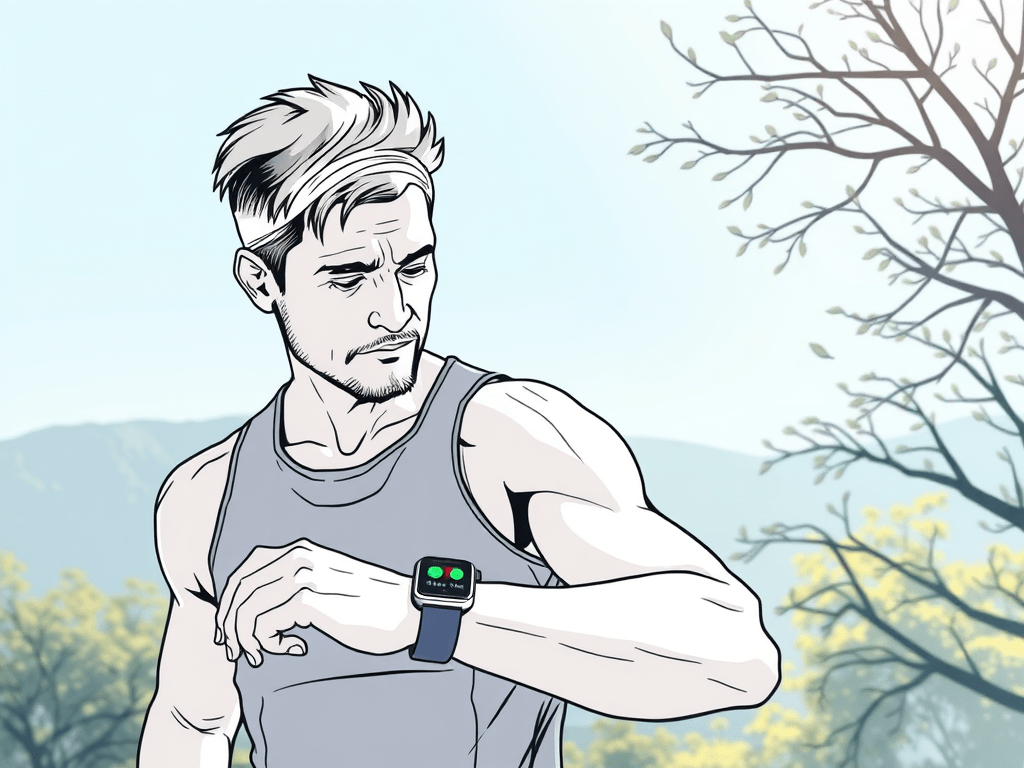
You wake up after what felt like a grueling training block. Your muscles are protesting, a dull ache lingers, and your mind feels foggy. Yet, you glance at your watch or app, and it flashes a confident green signal: “Ready to Train.” Or, perhaps, the inverse: you feel surprisingly fresh, ready to crush your session, but your Heart Rate Variability (HRV) score suggests you should, in fact, take it easy. What exactly is this mysterious metric, and can it truly tell you how ready your body is for the day’s challenge? Welcome to the fascinating, empowering world of Heart Rate Variability.
In layman’s terms, Heart Rate Variability (HRV) is not your average heart rate, but rather the variation in time between consecutive heartbeats. Imagine your heart beating at 60 beats per minute. That doesn’t mean it beats exactly every second. Instead, the interval between beat one and two might be 0.98 seconds, between two and three 1.03 seconds, and so on. These subtle, millisecond-by-millisecond fluctuations in the intervals between each beat are what HRV measures. This variability is a key, non-invasive indicator of your Autonomic Nervous System (ANS) balance, specifically reflecting the dynamic interplay between its two primary branches: the sympathetic (your “fight-or-flight” accelerator) and parasympathetic (your “rest-and-digest” brake) systems.
For you, the dedicated endurance athlete, understanding your HRV provides a unique and powerful window into your body’s true recovery status, readiness to train, and overall physiological stress load. By learning to interpret these subtle signals, you can fine-tune your training load, sidestep the pitfalls of overtraining, optimize your recovery strategies, and potentially even prevent injuries, leading to more consistent, effective, and sustainable progress toward your athletic goals.
This post will demystify Heart Rate Variability for endurance athletes, explaining its physiological basis, detailing how to measure and interpret its key metrics, and providing practical, actionable guidelines for using HRV to truly optimize your training and recovery decisions.
The Body’s Inner Dialogue: The Science Behind HRV
To understand HRV, we must first appreciate the remarkable control exerted by your Autonomic Nervous System (ANS).
The Autonomic Nervous System (ANS): Your Body’s Master Regulator
The ANS operates largely unconsciously, regulating vital bodily functions like heart rate, digestion, respiration, and blood pressure. It has two main, opposing branches that are constantly working in tandem:
- Sympathetic Nervous System (The “Accelerator”): This is your body’s stress response system. It prepares you for action – increasing heart rate, dilating pupils, mobilizing energy. When your sympathetic system is highly active or dominant (e.g., during intense exercise, stress, or illness), your heart rate becomes more rigid and less variable. High sympathetic activity reduces HRV.
- Parasympathetic Nervous System (The “Brake”): This is your “rest-and-digest” system. It promotes relaxation, slows heart rate, aids digestion, and facilitates recovery. When your parasympathetic system is highly active and dominant (e.g., during deep sleep, meditation, or a calm state), your heart rate becomes more flexible and variable. High parasympathetic activity increases HRV.
The Balance: HRV is a measurable output of the dynamic, moment-to-moment balance between these two branches. A healthy, well-recovered individual typically exhibits a higher HRV, indicating a strong and flexible parasympathetic influence. This means your body is resilient and ready to adapt to challenges.
Impact of Stress: Any form of stress – be it physical (hard training, injury), mental (work deadlines, emotional turmoil), environmental (heat, cold), illness, or lifestyle factors (lack of sleep, poor nutrition, alcohol) – can shift the balance towards sympathetic dominance. This results in a lower HRV, signaling that your body is under strain and prioritizing vigilance over recovery. Conversely, effective recovery strategies shift the balance back towards parasympathetic dominance, resulting in a higher HRV.
The Heart-Brain Connection: HRV isn’t just a simple measure of heartbeats; it’s a window into the complex neural control of your heart by your brain. Your heart isn’t merely a pump; it’s constantly receiving intricate signals from various parts of the brain. HRV reflects the nuances of this continuous dialogue between your brain and your cardiovascular system.
Key HRV Metrics (Simplified for Athletes)
While HRV analysis involves complex mathematical calculations, most athlete-focused apps simplify the data into key metrics:
- RMSSD (Root Mean Square of Successive Differences): This is the most commonly used and reliable metric for daily readiness and recovery. It primarily reflects the activity of the parasympathetic nervous system. A higher RMSSD generally indicates better recovery and readiness.
- SDNN (Standard Deviation of NN Intervals): This is a broader measure of overall HRV, reflecting the total variability in heartbeats, influenced by both sympathetic and parasympathetic activity. While valuable for long-term trends and overall health assessment, it’s often considered less sensitive for day-to-day training readiness than RMSSD.
Daily Average vs. Baseline: It’s crucial to understand that your HRV is highly individual. Absolute numbers (e.g., “my RMSSD is 35ms”) are far less important than your personal baseline and how your daily HRV compares to that. Consistency in measurement allows your app to establish a rolling baseline (e.g., a 7-day average), which then becomes your personal reference point. A drop of 15-20% below your baseline, for example, is often considered a significant signal.
How HRV is Measured: Consistency is King
To get reliable HRV data, consistency in your measurement protocol is paramount:
- Devices:
- Chest straps (e.g., Polar H10, Garmin HRM-Pro): These are considered the gold standard for accuracy as they directly measure R-R intervals (the time between heartbeats).
- Smartwatches/Wearables (e.g., Apple Watch, Whoop, Oura Ring, Garmin): These are increasingly sophisticated, with some providing validated HRV readings. However, always check the validation studies for your specific device. Many measure overnight HRV.
- Smartphone Apps (e.g., Elite HRV, HRV4Training, Morpheus): These apps connect to a chest strap (for best accuracy) or use your phone’s camera, guiding you through the measurement process and providing analysis.
- Protocol for Daily Measurement:
- First thing in the morning: Before getting out of bed, drinking coffee, or engaging in any strenuous activity.
- Same position: Lying down is preferred for consistency, as standing can immediately lower HRV due to gravity’s demands on the ANS.
- Consistent breathing pattern: Many apps guide you through slow, deep breaths (e.g., 5-6 seconds per breath) to standardize vagal nerve activity.
- Consistent time of day: Try to measure at the same time every morning.
- Duration: Typically 1-5 minutes, depending on the app/device.
The Training Edge: How HRV Impacts Your Endurance Performance
HRV is more than just a number; it’s a dynamic training partner that empowers you to make smarter decisions.
Training Implications: Optimizing Your Load
HRV provides real-time feedback that allows for truly individualized and dynamic training adjustments:
- Optimizing Training Load:
- High HRV (often indicated as “Green” or “Ready”): This is your body giving you the green light. It indicates good recovery, suggesting you’re physiologically ready for higher intensity or volume training sessions.
- Normal/Stable HRV (often “Yellow” or “Maintain”): This suggests that your current training load and recovery strategies are appropriate. Continue as planned, but remain attentive to how you feel.
- Low HRV (often “Red” or “Recover”): This is a critical warning sign. It indicates accumulated fatigue, illness, high stress, or insufficient recovery. It’s a clear signal to reduce intensity, take an easy day, or even an unplanned rest day. Pushing through a low HRV can lead to diminishing returns, increased injury risk, and overtraining.
- Avoiding Overtraining: Consistently suppressed or low HRV trends (e.g., 3-5 days significantly below baseline) are one of the strongest objective warning signs of chronic fatigue, insufficient recovery, or impending overtraining syndrome. Ignoring these signals is a fast track to burnout and performance plateaus.
- Individualized Training: HRV moves beyond rigid, pre-set training plans. It allows for dynamic, athlete-centric training adjustments based on your body’s unique daily response to stress, making your training truly personalized.
Race Day Strategy: Peak Readiness
HRV can even provide valuable insights leading up to and on race day:
- Taper Confirmation: During a well-executed taper, your training load decreases, and your body should be recovering and adapting. Ideally, your HRV should trend upwards during this period, indicating a well-recovered and “supercompensated” state, signaling you’re ready for peak performance. A falling HRV during taper suggests too much stress (training or otherwise) or insufficient recovery, warranting immediate adjustment.
- Pre-Race Readiness: A robust HRV on race morning, indicating a healthy parasympathetic tone, can be a strong confidence booster. It objectively signals that your body is in an optimal physiological state for maximal effort.
The Limiting Factor: Ignoring Your Body’s Signals
Ignoring your body’s true recovery status, especially when it’s screaming for rest, becomes a major limiting factor in endurance performance. HRV helps provide objective insight to prevent this. Chronically suppressed HRV can lead to significant performance decrements, a heightened risk of injury, and debilitating burnout. Conversely, integrating HRV into your training empowers you to remove this recovery-based limiting factor, ensuring your body is always ready to absorb and adapt to training stress.
Practical Application: Using & Improving Your HRV
HRV isn’t a passive metric; it’s an actionable tool.
Practical Application: Making HRV Work for You
- Consistent Measurement: This is non-negotiable. Measure daily at the same time, under the same conditions (same position, same breathing). Consistency builds a reliable baseline.
- Focus on Trends, Not Single Numbers: Don’t obsess over a single day’s score. HRV fluctuates naturally. Look for clear trends – sustained multi-day drops, significant week-over-week changes, or a general long-term decline or increase.
- Use Your Baselines: Your chosen app or device will establish a rolling baseline (e.g., a 7-day or 30-day average). Interpret your daily scores relative to your personal baseline. A small dip might be normal; a significant drop (e.g., >1 standard deviation or >15-20% below your baseline) is a strong signal.
- Adjust Training Based on HRV: This is where the magic happens.
- If HRV is significantly low: Seriously consider swapping a planned hard workout for an easy, low-intensity one, taking an unplanned complete rest day, or significantly reducing the duration and/or intensity of your session. Prioritize passive recovery.
- If HRV is high or stable: You’re likely good to go for your planned workout.
Improving Your HRV (and Overall Recovery)
HRV is a fantastic mirror of your overall health and recovery efforts. To improve your HRV (and thus your readiness):
- Prioritize Sleep: This is the single biggest driver of positive HRV changes. Consistent, high-quality sleep (7-9 hours for most adults) is paramount for physiological repair and nervous system recovery.
- Optimal Nutrition: Fuel your body for recovery and stress adaptation. Ensure adequate carbohydrates to replenish glycogen stores, sufficient protein for muscle repair and growth, and a full spectrum of micronutrients.
- Hydration: Maintain excellent hydration levels throughout the day. Dehydration negatively impacts physiological function and HRV.
- Stress Management: Chronic mental or emotional stress will suppress your HRV. Incorporate practices like mindfulness, meditation, yoga, spending time in nature, or deep breathing exercises. Anything that helps you relax and activate your parasympathetic system will help.
- Limit Alcohol: Alcohol consumption significantly impacts HRV negatively, even in moderate amounts. Avoid it or minimize it, especially during important training blocks.
- Consistent Training (but not excessive!): A well-managed, consistent training load that allows for adequate recovery periods will naturally lead to improved HRV over time as your body adapts and gets fitter. Avoid sudden, massive increases in training load.
- Deep Breathing Exercises: Regular practice of slow, deep, diaphragmatic breathing can acutely increase HRV during the measurement and, over time, improve overall parasympathetic tone.
Common Misconceptions & Nuances: Separating Fact from Fiction
- “Higher is Always Better”: While generally true, an unusually high HRV (significantly above your normal healthy baseline) might sometimes indicate that your body is “overreaching” or struggling to adapt to a sudden shift in training strategy. However, for most athletes, a trend of increasing HRV within their healthy range is positive. The trend relative to your baseline is paramount.
- “HRV is a Magic Bullet”: False. HRV is a powerful tool that provides objective physiological insight, but it doesn’t replace the critical importance of listening to your body’s subjective cues, common sense, or the guidance of a good coach and a well-designed training plan. It complements, it does not dictate, your training.
- “Comparing My HRV to Others”: Pointless. HRV is highly individual and influenced by countless factors. Your baseline is unique to you; comparing your number to a training partner’s is meaningless.
- “Acute Drops are Always Bad”: A temporary drop in HRV after a very hard workout or a significant race is expected and normal. It indicates that your body absorbed the stress and is in the process of adapting. The concern arises when you see sustained low HRV (multiple days), or drops that are disproportionately large relative to the training stress.
- Accuracy of Devices: For the most accurate raw HRV data (R-R intervals), a chest strap monitor remains the gold standard. While wrist-based sensors and rings are improving rapidly, it’s always wise to understand the limitations and validation of your specific device. Apps that connect to chest straps are often preferred for consistent and reliable readings.
Conclusion: Your Body’s Silent Language
Heart Rate Variability is a valuable, personalized metric that offers a unique window into your body’s recovery and readiness status. Driven by the dynamic balance of your autonomic nervous system, it empowers endurance athletes to move beyond rigid plans and make truly data-informed training decisions.
We encourage you to explore HRV tracking as a powerful addition to your training toolkit. Start by consistently measuring your HRV daily and establishing your personal baseline. Once you understand your trends, use these invaluable insights to strategically adjust your training load, prioritize rest and recovery when needed, and ultimately achieve more consistent, sustainable progress without burning out or getting injured. Don’t chase absolute numbers; instead, focus on understanding the trends and what your unique body is telling you.
Discover more from ABC Endurance
Subscribe to get the latest posts sent to your email.
