
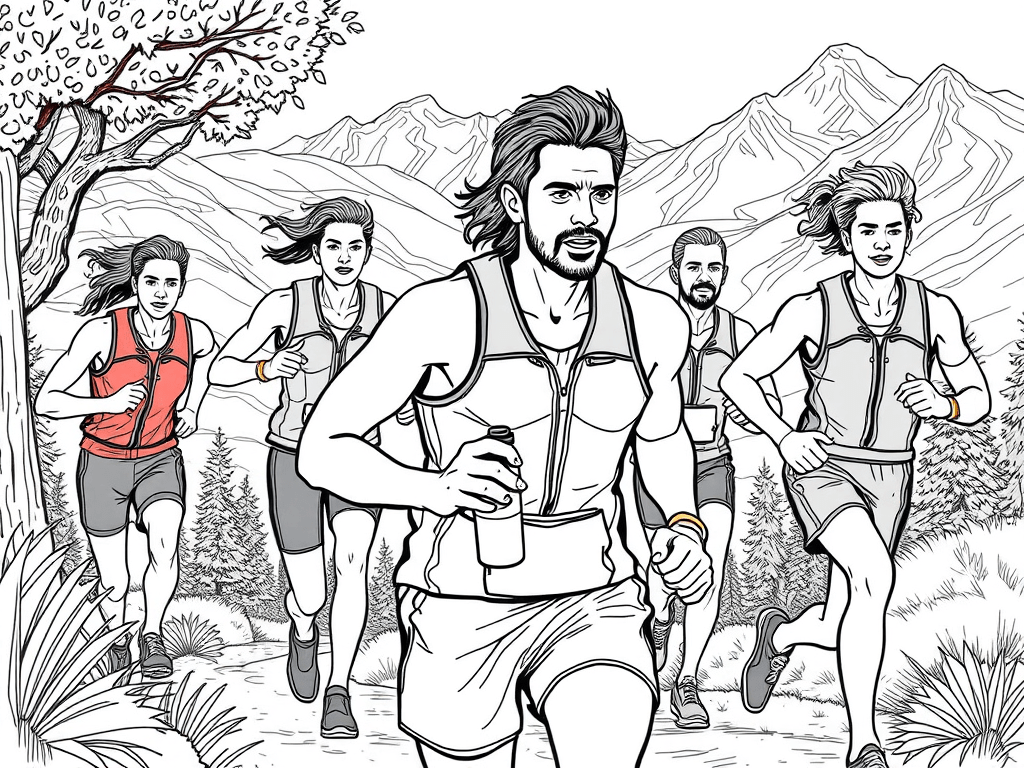
Ever watched an ultra-endurance athlete seemingly glide effortlessly for hours on end, fueled by what appears to be nothing but sheer will and perhaps a sip of water? Or maybe you’ve experienced the frustrating phenomenon of “hitting the wall” yourself, where one moment you’re cruising, and the next, your energy vanishes, despite meticulously planned carb intake.
What separates these experiences isn’t just training volume; it’s often the body’s remarkable, yet often untapped, ability to become a master of its own internal fuel sources. This secret power is known as fat adaptation, or more scientifically, metabolic flexibility.
Simply put, metabolic flexibility is your body’s seamless ability to switch between burning carbohydrates and burning fat for energy, based on what your activity demands and what fuel is readily available. Think of your body not as a single-fuel engine, but as a hybrid vehicle, capable of running efficiently on different power sources.
For you, the dedicated endurance athlete, cultivating this flexibility can be a game-changer. It means preserving those precious, limited carbohydrate (glycogen) stores for when you truly need them – those high-intensity bursts or the final push in a race. It translates to extended time to fatigue, improved performance in longer events, and a reduced reliance on constant sugar intake during those long training hauls.
This post will dive deep into the fascinating science behind fat adaptation, explaining how understanding and optimizing this crucial physiological ability can truly elevate your training and race-day performance, especially as the distances get longer.
The Inner Workings: The Science Behind Fat Adaptation
To understand fat adaptation, we first need to appreciate your body’s sophisticated “dual fuel system.” Your primary energy sources are:
- Carbohydrates: Stored in your muscles and liver as glycogen. These are your readily available, quick-burning, high-octane fuel. Great for sudden accelerations or intense efforts, but their supply is limited.
- Fats: Stored as triglycerides throughout your body. This is your vast, virtually limitless reserve tank. It burns slower, but provides a steady, enduring supply of energy.
The magic of fat burning largely happens within tiny powerhouses inside your muscle cells called mitochondria. Think of mitochondria as miniature ovens; the more efficient and numerous they are, the better your body can “cook” fat for fuel. Endurance training naturally increases both the density and efficiency of these critical organelles.
For fat to be used as fuel, it undergoes a process called beta-oxidation, involving a series of specialized enzymes (like Carnitine Palmitoyltransferase – CPT). The more active and abundant these enzymes are, the smoother and more efficient your fat-burning machinery becomes.
Another key player in this metabolic dance is insulin sensitivity. When your cells are “sensitive” to insulin, they efficiently take up glucose (from carbohydrates) when it’s present. But when glucose levels are lower (as they are during steady, lower-intensity exercise or after an overnight fast), good insulin sensitivity also helps promote the body’s ability to tap into fat stores for energy, without interference.
This brings us to the “crossover point.” Imagine a graph where one line represents fat burning and another represents carbohydrate burning, both increasing with exercise intensity. The point where these two lines intersect, and your body switches from primarily burning fat to primarily burning carbohydrates, is your crossover point. A more fat-adapted athlete has a crossover point that is shifted to a higher intensity. This means they can sustain a faster pace while still relying predominantly on fat – saving their precious glycogen for when the intensity truly ramps up.
How Do We Measure This Metabolic Magic?
While you might not have a lab in your garage, the science behind fat adaptation can be precisely measured:
- In the Lab: Respiratory Exchange Ratio (RER): Scientists use gas exchange analysis (you’d wear a mask during exercise) to determine your Respiratory Exchange Ratio (RER=VCO2/VO2). This ratio tells us the proportion of fat versus carbohydrate you’re burning. An RER closer to 0.7 means you’re burning mostly fat, while an RER of 1.0 means you’re almost exclusively burning carbohydrates. A lower RER at a given intensity indicates greater fat adaptation.
- In the Field: Practical Proxies: For the everyday athlete, you can infer your fat adaptation by:
- Heart Rate Zones: Consistently training in Zone 2 (a comfortable, conversational pace) is a classic way to stimulate fat metabolism. Over time, you might notice you can sustain a slightly faster pace within that same fat-burning heart rate zone.
- Perceived Exertion: How long can you comfortably sustain an effort at a 5-6 out of 10 RPE without feeling the need for immediate fuel?
- Fueling Needs: Do you find you can comfortably complete your 90-minute long run on just water, without feeling depleted, whereas before you needed gels every 30 minutes? This is a strong practical indicator.
The Payoff: How Fat Adaptation Boosts Your Performance
Understanding and improving your metabolic flexibility translates directly into tangible benefits for your endurance pursuits:
Training Implications: Your Daily Edge
- Fuel Conservation: Imagine going for a long training session (say, 2-3 hours) at a moderate intensity without constantly worrying about consuming gels or sports drinks. A fat-adapted athlete can do this, preserving their limited glycogen stores for those crucial hard efforts or race day. This makes long training sessions less logistically complex and potentially easier on your gut.
- Enhanced Endurance Capacity: Your body has practically infinite fat stores compared to its very limited glycogen reserves. By becoming more efficient at burning fat, you tap into a virtually limitless fuel supply, extending your potential time to exhaustion. It’s like having a significantly larger fuel tank for your endurance engine.
- Improved Recovery: Since you’re relying less on glycogen for lower-intensity training, these sessions lead to less glycogen depletion. This can translate to faster recovery between workouts, allowing you to hit your next quality session feeling fresher.
Race Day Strategy: Your Competitive Advantage
- Ultra-Endurance Advantage: For events lasting many hours, such as ultramarathons, Ironman triathlons, or gravel bike races, where carbohydrate intake simply cannot match energy expenditure, fat adaptation is absolutely crucial. It’s what allows athletes to perform for extended durations without completely running out of gas.
- Avoiding the Dreaded “Bonk”: The infamous “bonk” is often a direct result of critical liver and muscle glycogen depletion. By teaching your body to burn fat more efficiently, you significantly delay or even prevent hitting this wall, saving your glycogen for the critical moments.
- Pacing Flexibility: When you’re fat-adapted, you can sustain a strong, comfortable pace for much longer without feeling the urgent need for a carbohydrate hit. This allows for more strategic and consistent pacing throughout your race.
The Limiting Factor: Why You Can’t Ignore It
If your body is inefficient at burning fat, you become overly reliant on carbohydrates. This means two things: you’ll need to consume carbohydrates much more frequently during long efforts, and you’ll be at a much higher risk of “bonking” or completely depleting your glycogen stores, especially in longer races. In essence, poor fat adaptation becomes a significant bottleneck, preventing you from reaching your true endurance potential.
Actions You Can Take: Optimizing Your Inner Fuel Tank
Ready to become a fat-burning machine? Here are some actionable strategies:
Specific Training Recommendations: Teach Your Body to Burn Fat
- Long, Slow Distance (LSD) Training in a “Fasted” or Low-Carb State: This is arguably the most potent stimulus for improving fat adaptation. Regularly incorporate steady-state workouts (e.g., 60-90+ minutes, gradually increasing duration) at a low to moderate intensity (Zone 2 heart rate, where you can comfortably hold a conversation).
- How: Perform these sessions after an overnight fast (e.g., first thing in the morning before breakfast) or with minimal pre-workout carbohydrates. This forces your body to rely more heavily on fat stores.
- Frequency: Aim for 2-3 of these sessions per week, adjusting duration and frequency as your body adapts.
- Nutritional Periodization (“Train Low, Race High”): This advanced strategy involves strategically training some sessions with low carbohydrate availability to promote adaptation, while ensuring adequate carb intake for high-intensity workouts and, crucially, for race day.
- Example: A moderate-intensity run after a low-carb dinner, followed by a carb-rich meal for recovery. This isn’t about constant low-carb living but strategic manipulation.
- Maintain Consistency: Regular, consistent aerobic training over time is absolutely fundamental. It’s this consistent stimulus that signals your body to build more mitochondria and enhance enzyme activity, which are the biological underpinnings of fat adaptation.
Non-Training Factors: Support Your Metabolic Engine
- Smart Dietary Choices: Focus on a whole-foods diet that includes adequate healthy fats (avocado, nuts, seeds, olive oil) and strategically controlled carbohydrate intake based on your training load. This doesn’t mean becoming carb-phobic; it means optimizing when and what type of carbs you consume.
- Adequate Sleep: Sufficient, quality sleep is crucial for hormonal balance, including insulin sensitivity, which is directly tied to metabolic flexibility. Aim for 7-9 hours per night.
- Strength Training: Believe it or not, regular strength training can improve insulin sensitivity and overall metabolic health, further supporting your body’s ability to utilize fuel efficiently.
Dispelling the Myths: Important Nuances
Like many topics in sports science, fat adaptation comes with its share of misconceptions:
- “Carbs Are Bad”: Absolutely not! Fat adaptation does not mean eliminating carbohydrates from your diet. Carbohydrates are still your body’s preferred and most efficient fuel for high-intensity efforts and are absolutely crucial for race day performance. The goal is to become more flexible in your fuel utilization, not to become carb-phobic.
- “Fat Burning Is Always Better”: While efficient fat burning is excellent for endurance and fuel conservation, carbohydrates are still the superior fuel for high-intensity, maximal efforts. You cannot sprint on fat alone. The goal is metabolic flexibility, allowing your body to select the right fuel for the right intensity.
- Individual Variability: The degree and speed of fat adaptation can vary significantly between individuals. Factors like genetics, training history, and current diet all play a role. What works perfectly for one athlete might need tweaking for another.
Conclusion: Empower Your Endurance Journey
Improving your metabolic flexibility through strategic training and nutrition is a powerful lever for any endurance athlete. It enables you to go further, faster, and more consistently, without the debilitating energy crashes that can derail your efforts. By teaching your body to tap into its vast fat reserves, you conserve precious glycogen, extend your endurance capacity, and unlock new levels of performance.
Start experimenting with integrating low-intensity, potentially carb-reduced, sessions into your training. Prioritize consistent aerobic volume, and pay attention to how your body responds. For personalized guidance, consider working with a qualified endurance coach or a sports nutritionist who can help you tailor these strategies to your unique needs and goals.
Now that we know how to optimize our body’s internal fuel tank, how does the body actually adapt to the increasing demands we place on it? Next in our “Endurance Explained” series, we’ll explore another foundational training concept: how applying the Overload Principle is essential for continuous progress and adapting your body to new demands. Stay tuned!
Discover more from ABC Endurance
Subscribe to get the latest posts sent to your email.
