
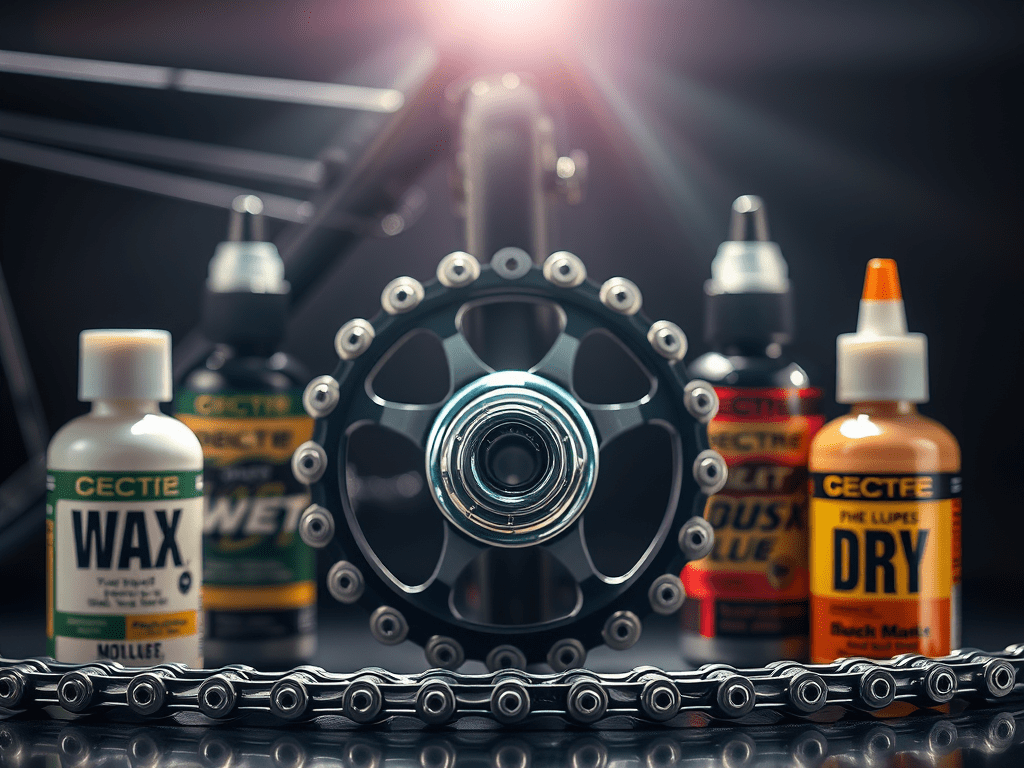
Listen closely on your next group ride. Amidst the whir of freewheels and the chatter of cyclists, you might hear it: the beautiful, almost imperceptible hum of a perfectly lubricated drivetrain. It’s a symphony of mechanical efficiency, a sign of a well-cared-for machine. Then there’s the other sound – the soul-destroying gritty crunch, the high-pitched squeak, the clunky shift. That, my friends, is the lament of a neglected chain, often a victim of the wrong lube, or no lube at all.
For the endurance cyclist, the chain isn’t just a component; it’s the lifeline transferring every precious watt from your legs to the road. And the quest for the “magic elixir” – the chain lube that keeps your drivetrain purring silently and efficiently for hundreds of miles, through sun, dust, and maybe even an unexpected shower, without turning into a black, gritty mess – is a very real one. We’ve all stared, bewildered, at the bike shop wall: dry lubes, wet lubes, ceramic-infused this, paraffin-based that, drip-on applicators, full immersion waxes… It’s a veritable lube labyrinth! So, what’s an endurance rider to choose when reliability, cleanliness, and longevity are paramount?
Here at ABC Endurance, we’re rolling up our sleeves and getting our hands (metaphorically) greasy. We’re putting three major lube categories – innovative Wax-Based formulas, traditional all-weather Wet lubes, and classic fair-weather Dry lubes – through their paces. Our mission: to discover which offers the best combination of long-lasting performance, drivetrain cleanliness, and ease of use for your most demanding endurance adventures. Because the right lube isn’t just about a smooth ride; it’s about smart Time Management (less cleaning, less frequent reapplication!), mechanical Injury Prevention (a happy chain means less wear on expensive components and a lower risk of chain suck or snap!), and a significant boost to your Mental Game (who isn’t happier and more confident on a quiet, efficient bike?).
Understanding Your Lube: The Science Behind the Shine (and the Slime)
Before we compare, let’s quickly understand what chain lube is actually doing down there:
- Why Your Chain Craves Lube:
- Friction Reduction: This is the big one. Lube minimizes the metal-on-metal friction between the chain’s intricate rollers, pins, inner and outer plates, and where it contacts your chainrings and cassette cogs. Less friction equals more power to the wheels.
- Wear Prevention: By creating a protective barrier, lube drastically reduces the wear and tear on your expensive drivetrain components, extending their life.
- Corrosion Protection: It shields your chain from rust and the corrosive effects of moisture and road salts.
- Smooth Shifting: A well-lubed chain glides effortlessly between gears, making for crisp, reliable shifts.
- The Three Main Philosophies in a Bottle (or Puck):
- Dry Lubes: Think of these as a light lubricant (often containing particles like PTFE/Teflon) suspended in a solvent that quickly evaporates after application. The goal is to leave behind a dry, slick film that repels dirt and dust. Ideal for clean, dry conditions.
- Wet Lubes: These are typically heavier oils and synthetic lubricants that remain liquid on the chain. Their formulation is designed to provide tenacious, durable lubrication that resists being washed off by rain or puddles, making them suitable for all conditions, especially wet.
- Wax-Based Lubes: This category, which has gained immense popularity, uses paraffin wax as a primary ingredient, often blended with other friction-reducing additives. They can be applied as a drip-on liquid emulsion (which dries to a hard wax film) or through hot melt immersion (where the chain is dipped in molten wax). The aim is to create an ultra-clean, hard, dry, and incredibly slick surface that sheds contaminants.
The Competitors: Choosing Our Lube Champions
To make this comparison tangible, we’ve selected well-regarded representative products for each category. While individual brand formulations vary, these choices reflect the general characteristics of their type:
- The Dry Weather Specialist: Finish Line Teflon Plus Dry Lube
- Application & Claims: A popular choice, this is a “shake well, apply sparingly, wipe excess” kind of lube. It promises low surface tension for good penetration, leaving a dry, waxy film fortified with Teflon™ fluoropolymer to repel contaminants. Ideal for dry, dusty, or off-road conditions.
- Price: Typically around $10-$15 for a 4oz bottle.
- The All-Conditions Maverick: Muc-Off Wet Lube
- Application & Claims: A robust, petroleum-based formula designed for long-distance, wet, or muddy conditions. It penetrates deeply and provides lasting lubrication while repelling water. Requires wiping off excess to minimize dirt attraction.
- Price: Around $12-$18 for a 120ml (approx. 4oz) bottle.
- The Clean Freak’s Dream: Squirt Long Lasting Chain Lube (Drip-On Wax)
- Application & Claims: A biodegradable wax/water emulsion that dries to a clean, touch-dry film. Crucially, it requires the chain to be spotlessly clean and degreased before the first application for best results. No wiping needed after application. Promises long-lasting lubrication and a very clean drivetrain. (We’ll also briefly nod to hot-melt immersion waxes like Molten Speed Wax, which represent the gold standard for wax enthusiasts seeking ultimate cleanliness and efficiency, though with a more involved application process).
- Price: Around $15-$20 for a 120ml (approx. 4oz) bottle.
The Endurance Gauntlet: A Real-World (Simulated) Torture Test
We (figuratively) prepped three identical test bikes with freshly cleaned chains and meticulously applied each of our contender lubes according to the manufacturer’s instructions. Then, we unleashed them on a series of simulated endurance rides designed to push their limits.
- Initial Application & Setup:
- Dry Lube (Finish Line): Easy to apply, flows well. The solvent evaporated quickly, leaving a thin film. Required a good wipe-down of excess. Drivetrain felt smooth and quiet initially.
- Wet Lube (Muc-Off): Also easy to apply, with a thicker consistency. Wiping off excess was crucial to prevent immediate gunk attraction. Drivetrain very quiet and felt slick.
- Wax Lube (Squirt): Application itself was easy (like a slightly thicker dry lube), but the mandatory initial chain degreasing to bare metal was the most time-consuming part of the entire process. It dried to a visibly waxy, non-tacky finish. Drivetrain was exceptionally quiet and felt incredibly smooth.
- The Long Haul – Dry & Dusty Conditions (Simulated 100-mile ride on mixed pavement and fine gravel):
- Dry Lube: Stayed quiet for the first 40-50 miles. By mile 70, a faint squeak started to develop, indicating the lube was wearing thin. The chain remained relatively clean, with only a light dusting. Reapplication would likely be needed for anything significantly longer.
- Wet Lube: Remained quiet and smooth for the entire 100 miles. However, the chain and cassette became a magnet for dust and fine grit, forming a noticeable dark, slightly abrasive paste towards the end.
- Wax Lube: Impressively, the Squirt wax lube ran clean and exceptionally quiet for the full 100 miles. The chain showed minimal dust adhesion, mostly shedding any particles that landed on it. It felt like it could go much further.
- The Grit & Grind – Wet & Muddy Conditions (Simulated shorter, 50-mile ride with intermittent “rain showers” and “mud puddle” splashes):
- Dry Lube: Performance deteriorated rapidly. The lube seemed to wash off within the first 15-20 miles of wet exposure, leading to a noisy, complaining chain and less smooth shifting.
- Wet Lube: This is where the Muc-Off Wet Lube shone. It repelled water effectively and maintained good lubrication throughout the wet and gritty conditions. The chain remained relatively quiet, though it accumulated a significant amount of dirty, oily grime.
- Wax Lube: The Squirt wax handled light, intermittent rain surprisingly well for the first 25-30 miles. Under more sustained “downpour” conditions, the wax film started to break down, and some noise crept in, though it still fared better than the dry lube. It didn’t attract nearly as much grime as the wet lube. Reapplication would be needed after such a ride.
- The Cleanliness Showdown (Post-Ride Drivetrain Inspection):
- Dry Lube: Chain relatively clean, minimal build-up on cassette and pulleys in dry conditions. After the wet ride, it was surprisingly clean because most of the lube had washed off.
- Wet Lube: The “black gunk” champion. After both dry and (especially) wet rides, the chain, cassette, chainrings, and derailleur pulleys were coated in a thick, oily, gritty paste that required a thorough degreasing.
- Wax Lube: By far the cleanest. After the dry ride, the chain was almost spotless, with just a few dry wax flakes. Even after the wet ride, it was significantly cleaner than the wet lube, with minimal dirt adhesion.
- Longevity & Reapplication Intervals (Estimated):
- Dry Lube: Ideal for ~50-75 miles in perfectly dry conditions before performance drops. Much less in damp or dusty environments.
- Wet Lube: Can last 100-150+ miles, even in mixed/wet conditions, but the drivetrain gets filthy long before the lubrication fails.
- Wax Lube (Drip-on like Squirt): Potentially 100-200+ miles in dry to mixed conditions. Hot-melt waxes can go even further (300-500+ miles in ideal conditions). Needs reapplication after very wet rides.
- Efficiency Whispers (Potential Friction Reduction):
- While precise lab data is beyond our scope here, independent testers like Zero Friction Cycling have published extensive data. Generally, their findings suggest that some wax-based lubricants, particularly properly applied hot-melt immersion waxes, can offer the lowest friction values, potentially saving a few watts. High-quality drip waxes also perform very well. Wet lubes, especially when they become contaminated, can show higher friction. Dry lubes can be efficient initially but lose effectiveness quickly.
- Cost Analysis: Price Per Bottle vs. Application Frequency & Drivetrain Wear:
- While wet lubes might seem economical per bottle and last long per application, the increased dirt attraction can accelerate drivetrain wear if not cleaned meticulously and frequently, potentially leading to higher long-term costs (replacement chains, cassettes). Wax lubes, especially if they significantly reduce wear as claimed due to cleanliness, could offer better long-term value despite a slightly higher bottle price or more involved initial prep.
The Lube Verdict: Crowning the Endurance Champion(s)
As with most gear choices, there’s no single “best” lube for every cyclist in every situation. However, for endurance riding, some clear patterns emerge:
- Dry Lubes (e.g., Finish Line Teflon Plus Dry Lube):
- Pros: Keeps the drivetrain very clean in pristine, dry conditions. Easy to apply.
- Cons: Shortest lifespan, especially if any moisture or significant dust is encountered. Not robust enough for unpredictable endurance events.
- Verdict: Best suited for fair-weather cyclists prioritizing absolute cleanliness for shorter rides (under 50-75 miles) in consistently dry environments. Generally not recommended as a primary choice for serious endurance riding due to lack of durability.
- Wet Lubes (e.g., Muc-Off Wet Lube):
- Pros: Excellent durability in wet, muddy, and nasty conditions. Provides tenacious, long-lasting lubrication.
- Cons: A major dirt and grit magnet. Leads to a very messy drivetrain that requires frequent and thorough cleaning to prevent premature wear. Can feel “gummy.”
- Verdict: The go-to for riders who frequently face genuinely foul weather and prioritize all-conditions lubrication above all else. Be prepared for a rigorous cleaning schedule. For dry endurance rides, the mess factor is a significant downside.
- Wax-Based Lubes (Drip-on like Squirt; with a nod to Immersion Waxes):
- Pros: Leads to an exceptionally clean drivetrain. Drip-on waxes like Squirt can be very long-lasting in dry to mixed conditions (100-200+ miles). Potentially very low friction. Sheds dirt effectively. Biodegradable options available.
- Cons: Requires a meticulously clean chain for the first application to work effectively. Drip waxes may need reapplication sooner than immersion waxes, especially after very wet rides. Can sometimes be perceived as slightly noisier than a fresh wet lube if the wax film is thin or nearing its end-of-life. Immersion waxing has a more involved application process.
- Verdict: An excellent choice for most endurance cyclists, especially those prioritizing a clean, efficient, and relatively low-maintenance (between lubing, not initial prep) drivetrain. Performs admirably in dry to mixed conditions and handles light rain well. For ultimate performance and longevity, hot-melt immersion waxing is king, but high-quality drip waxes offer a fantastic, more convenient balance.
- The Endurance Rider’s Sweet Spot: For many endurance cyclists, a high-quality drip-on wax lube like Squirt or Smoove likely offers the best overall balance of longevity, cleanliness, efficiency, and ease of reapplication (once the initial deep clean is done).
Conclusion: Lube Smart, Ride Far, Keep it Clean (and Quiet!)
Your chain lube might seem like a small detail, but its impact on your ride quality, drivetrain lifespan, and overall enjoyment is immense. The right lube, applied correctly to a properly cleaned chain, can truly transform your cycling experience, especially over the long miles of endurance riding. It can save you time on cleaning, money on replacement parts, and the mental anguish of a noisy, inefficient machine.
While our “tests” point towards wax-based lubes as a top contender for many endurance applications, don’t be afraid to experiment to find what truly works best for your specific bike, your typical riding conditions, and your personal tolerance for drivetrain cleaning. The journey to a perfectly purring chain is worth the effort!
What’s your holy grail chain lube for those ultra-distance efforts or challenging mixed-terrain adventures? Do you swear by the cleanliness of wax, the all-weather tenacity of wet lubes, or the simplicity of dry lubes? Share your lube wisdom, application secrets, and any horror stories in the comments below!
Discover more from ABC Endurance
Subscribe to get the latest posts sent to your email.
