
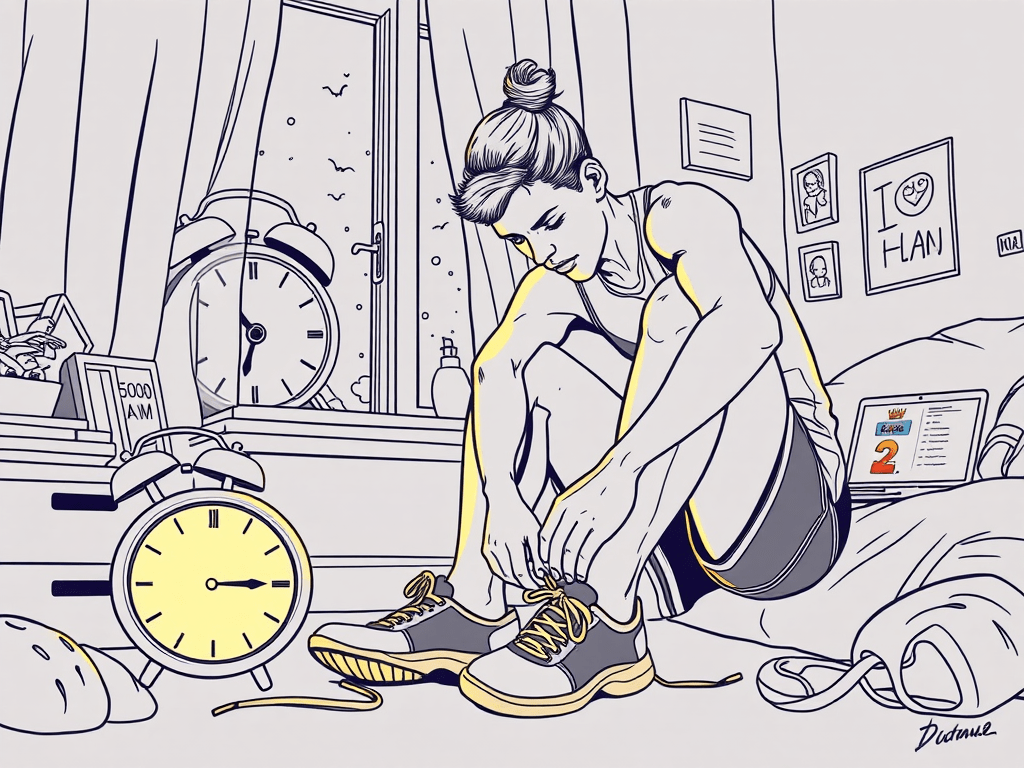
The alarm shrieks at 5:00 AM. Dark outside. You need to squeeze in that run before the chaos begins – work deadlines loom, kids need breakfast, the commute awaits. Or maybe it’s the end of the workday, your brain is fried, dinner needs making, but that crucial bike interval session is staring at you from the training plan. Sound familiar? Welcome to the endurance athlete juggling act. You love your sport, you thrive on the challenge, but fitting the necessary hours of training into an already overflowing schedule of work, family, chores, and maybe even a semblance of a social life can feel downright impossible sometimes. Overwhelm becomes a constant companion.
But here’s the truth we champion at ABC Endurance: You can chase ambitious endurance goals and manage the beautiful mess of everyday life. It’s not about magically finding more hours in the day (if only!). It’s about becoming smarter, more strategic, and more intentional with the time you do have. This isn’t about sacrificing everything else at the altar of training; it’s about finding a sustainable rhythm that works for you. Let’s break down how to make it happen.
Step 1: Know Thyself (and Thy Schedule) – Audit & Prioritize
Before you can manage your time, you need to know where it’s actually going.
- The Reality Check: For one week, be brutally honest and track your time. Use an app, a spreadsheet, or a simple notebook. Log work hours, commute time, family commitments, chores, sleep, meals, and yes, even that time spent scrolling social media or watching TV. You might be surprised where the minutes (and hours!) disappear. Identify your biggest “time sinks.”
- Define Your Non-Negotiables: What are the absolute priorities in your life outside of training? Be specific. Maybe it’s family dinner every night, tucking the kids into bed, date night, that crucial work project deadline, or ensuring you get 7-8 hours of sleep (hint: this should be non-negotiable for recovery!). These are the immovable rocks around which training must flow.
- Reconnect with Your “Why”: Why are these endurance goals important to you? Is it the health benefits, the mental clarity, the thrill of competition, the camaraderie? When scheduling gets tough and motivation wanes, reminding yourself of your “why” provides powerful fuel.
- Be Realistic: Look at your time audit and non-negotiables. Now, look at your training plan. Does it align? Maybe training for an Ironman isn’t feasible during this particular life season, but a half-marathon or Olympic triathlon is. Adjust your goals to fit the time you can consistently and realistically commit without burning out or neglecting other vital areas of your life.
Step 2: Plan Like a Pro – Strategic Scheduling
“Failing to plan is planning to fail” couldn’t be truer for busy athletes.
- Your Calendar is Command Central: Whether it’s Google Calendar, a physical planner, or a training app, use it religiously.
- Schedule Workouts Like Appointments: Don’t just “hope” to fit in a workout. Block out specific times in your calendar as non-negotiable appointments with yourself. Treat them with the same importance as a doctor’s appointment or a work meeting.
- Look Ahead (Weekly/Monthly): Spend 15-30 minutes each Sunday planning your upcoming week. Look for potential conflicts, busy days, or travel. Schedule your most important (“key”) workouts first, then fit in the others. Looking monthly helps anticipate bigger crunch periods.
- Find Your Golden Hours: Are you an early bird who thrives before the world wakes up? Or do you prefer unwinding with an evening session? Identify when you generally have the most energy and fewest potential disruptions and try to schedule your most demanding workouts then.
- Embrace Plan B (and C!): Life happens. Meetings run late, kids get sick, traffic jams occur. Instead of scrapping the workout entirely, have backup plans. Could that 90-minute run become a 30-minute high-intensity interval session on the treadmill? Could the planned swim become a quick bodyweight strength circuit at home? Having shorter, accessible alternatives ready keeps momentum going.
Step 3: Maximize Every Minute – Efficiency Hacks
Make the time you do have work harder for you.
- Combine & Conquer:
- Active Commuting: Can you run or cycle some (or all) of the way to/from work? Even once or twice a week adds up.
- Lunch Break Power Hour (or Half Hour): Can you squeeze in a quick run, strength session, or even pool laps during your lunch break?
- Social Sweat: Combine catching up with friends with a workout – schedule a run, ride, or fitness class together instead of (or before) coffee or drinks.
- Prep Like a Champion:
- Lay out your workout clothes, shoes, and gear the night before. No frantic searching for socks at 5 AM!
- Meal prep lunches, dinners, or components on the weekend to save cooking time during busy weeknights.
- Keep a packed gym bag in your car or by the door, ready to grab and go.
- Intensity Over Junk Miles (When Needed): If time is tight, focus on quality over quantity. A shorter, focused High-Intensity Interval Training (HIIT) session can provide significant fitness benefits in less time than a long, slow effort.
- Minimize Transition Time: How quickly can you get ready for your workout? How streamlined is your post-workout routine (shower, change, refuel)? Shaving off even 5-10 minutes here and there adds up.
Step 4: It Takes a Village – Communication & Support
You’re not training in a bubble. Getting buy-in from those around you is key.
- Talk to Your People: Communicate openly with your family, partner, or housemates about your goals and the time commitment involved. Explain why it’s important to you. Their understanding and support can make a world of difference.
- Manage Expectations (Yours & Theirs): Be clear about when you’ll need to train, especially during peak blocks leading up to an event. Discuss how you’ll still prioritize shared responsibilities and time together.
- Involve Them: Can training sometimes become family time? Think family bike rides, kids cheering at a local 5k, or your partner meeting you with a bottle at the end of a long run. Shared experiences build support.
- Find Your Tribe (Training Partners): Scheduling workouts with others provides accountability (harder to skip when someone’s waiting!), motivation, and valuable social connection.
Step 5: Bend, Don’t Break – Flexibility, Grace & Recovery
Structure is vital, but rigidity leads to burnout.
- Life Happens. Roll With It: You will miss workouts sometimes. It’s okay. Avoid the “all-or-nothing” trap where one missed session makes you feel like the whole week is ruined. Just adjust and get back on track with the next scheduled workout. Consistency over perfection.
- Be Adaptable: Learn to shuffle your schedule when needed. If you’re feeling exhausted, maybe swap that hard interval session for an easier recovery workout or extra rest.
- Guard Your Sleep: It might be tempting to cut sleep short to fit in training, but this is counterproductive. Sleep is when your body recovers and adapts. Sacrificing it consistently increases injury risk and diminishes training benefits. Make sleep a non-negotiable priority.
- Practice Self-Compassion: Juggling all of this is hard work! Acknowledge the effort. Be kind to yourself on days when things don’t go perfectly to plan. Celebrate the small wins and the consistency you do achieve.
Conclusion: Finding Your Sustainable Rhythm
Balancing endurance training with a busy life isn’t about achieving perfect equilibrium every single day. It’s a dynamic dance of planning, efficiency, communication, and flexibility. It requires ongoing adjustments as life ebbs and flows. By implementing these strategies, you can create a sustainable rhythm that allows you to pursue your passion for endurance sports without sacrificing the other important parts of your life. Find what works for you, be patient with the process, and enjoy the journey.
Busy athletes, we know you have genius hacks! What’s your single best tip for balancing training with a packed schedule? Share your wisdom in the comments below!
Discover more from ABC Endurance
Subscribe to get the latest posts sent to your email.
