
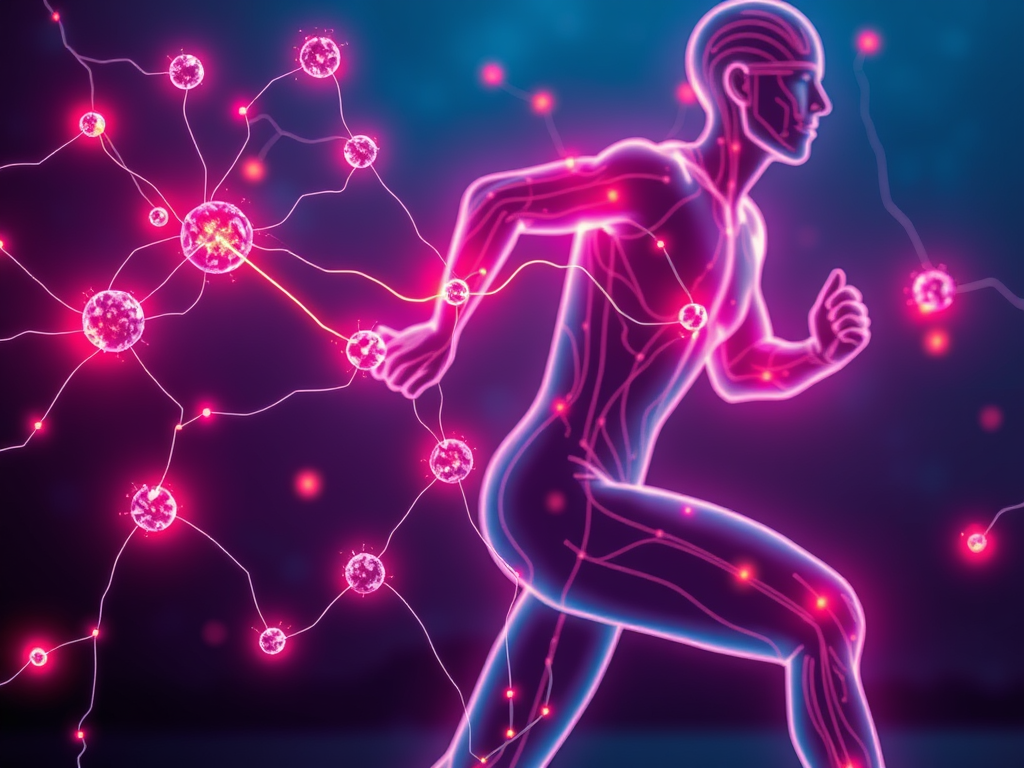
We understand, at a fundamental level, that staying hydrated is absolutely critical for endurance performance. It’s the baseline. But the conversation often begins and ends there, or perhaps extends only to the most talked-about players in a sports drink: sodium and potassium. The reality, it turns out, is significantly more complex and, frankly, more fascinating. Electrolytes are not merely passive components in our fluids; they are the charged ions, the essential minerals that constitute the body’s intricate electrical grid, with diverse and crucial roles in everything from the nerve signals that tell your legs to pedal to the muscle contractions that power your stride. Maintaining their proper balance isn’t just about avoiding a cramp; it’s paramount for optimizing hydration, muscle function, nerve transmission, and ultimately, your capacity to perform at your peak when the demands are highest.
This isn’t just abstract biology. This is directly relevant to your experience on a long run or ride – the subtle shifts in how your muscles feel, the clarity of your focus, the efficiency with which your body utilizes the fuel you provide it. Understanding the science of electrolytes beyond the basic “salt and potassium” narrative is crucial for any endurance athlete serious about optimizing their performance and safeguarding their health over the long haul.
What Are Electrolytes? The Body’s Electrical Conductors
So, what exactly are these essential players? At their core, electrolytes are minerals that, when dissolved in body fluids like blood, sweat, and urine, carry an electric charge. This seemingly simple characteristic is what makes them so vital. They act as the body’s electrical conductors, facilitating communication between cells and driving numerous fundamental processes.
Their function is quite literally foundational to how our bodies work. They are essential for maintaining fluid balance, ensuring the right amount of water is inside and outside our cells. They transmit the nerve signals that allow our brains to communicate with our muscles and organs. They are the initiators of muscle contractions, enabling movement. And they play a critical role in regulating blood pressure and maintaining the acid-base balance necessary for cellular function. Without these charged ions, the entire system grinds to a halt.
Key Electrolytes for Endurance Athletes: The Essential Players
While there are many electrolytes in the body, a few are particularly relevant for endurance athletes, primarily because we lose them in sweat and they play vital roles in the physiological processes critical for sustained effort. The essential players we need to focus on are:
- Sodium (Na+)
- Potassium (K+)
- Calcium (Ca2+)
- Magnesium (Mg2+)
- Chloride (Cl-)
- Phosphate (PO43-)
This cast of characters, working in concert, underlies much of what we experience as performance or fatigue.
Their Nuanced Roles: Beyond the Basics
Now, let’s move beyond the simplistic view and understand the specific, often nuanced, roles each of these electrolytes plays:
- Sodium: This is arguably the most talked-about electrolyte in endurance sports, and for good reason. Its primary role is in maintaining fluid balance, particularly outside of our cells (extracellular fluid). Through the process of osmosis, where water follows sodium, it helps regulate blood volume and blood pressure. Crucially, sodium is also essential for nerve impulse transmission and muscle contraction. This is precisely why significant sodium loss through sweat, coupled with excessive plain water intake during long events, can lead to hyponatremia – a dangerously low blood sodium concentration that can cause confusion, seizures, and in rare, extreme cases, be life-threatening.
- Potassium: Sodium’s partner in fluid balance, potassium primarily operates inside our cells (intracellular fluid). It works with sodium to maintain the electrical gradients across cell membranes, which is critical for proper nerve and muscle function, including the rhythm of your heart. Potassium also plays a role in helping to move nutrients into cells and waste products out.
- Calcium: While often associated with bone health (as we discussed in the previous post), calcium plays a critical and immediate role in triggering muscle contraction. It’s the signal that tells muscle fibers to slide past each other, enabling movement. It’s also essential for nerve signal transmission and blood clotting.
- Magnesium: This is a true workhorse among electrolytes, with incredibly diverse roles. Magnesium is essential for proper muscle and nerve function, regulating blood sugar levels, maintaining healthy blood pressure, and contributing to bone health. It acts as a crucial cofactor in literally hundreds of enzymatic reactions within the body, including those directly involved in energy production (ATP). Magnesium deficiency is also commonly linked to muscle cramps, although cramping is a complex phenomenon with multiple potential causes.
- Chloride: Often paired with sodium, chloride also plays a primary role in maintaining fluid balance. It’s also a key component of stomach acid (hydrochloric acid), which is essential for proper digestion.
- Phosphate: While perhaps less discussed in the immediate context of sweat loss, phosphate is absolutely crucial for energy production, as it’s a fundamental component of ATP (Adenosine Triphosphate), the molecule that serves as the body’s energy currency. It’s also vital for bone and tooth health.
Electrolyte Imbalance: When the System Goes Awry
Given their critical functions, it’s clear that maintaining the proper balance of these electrolytes is essential for optimal physiological function. An electrolyte imbalance occurs when the concentrations of these minerals in your body fluids are either too high or too low.
The primary cause of electrolyte imbalance in endurance athletes is sweat loss. Sweat contains electrolytes, particularly sodium and chloride, and prolonged sweating, especially in hot and humid conditions, can lead to significant losses. Inadequate intake through diet or fluids is another contributing factor. Furthermore, improper hydration, specifically drinking excessive amounts of plain water without replacing lost electrolytes during long events, can dilute blood sodium levels, leading to hyponatremia.
The symptoms of electrolyte imbalance can vary depending on which electrolyte is out of balance and the severity of the imbalance. Mild symptoms might include muscle cramps, fatigue, nausea, and dizziness. More severe imbalances can lead to confusion, headaches, weakness, and in extreme cases, seizures, irregular heart rhythms, and even cardiac arrest.
Replenishing Electrolytes: Strategizing Your Intake
Recognizing the importance of electrolytes, the question then becomes: how do we effectively replenish them?
Our primary source should always be our dietary intake. Consuming a balanced diet rich in fruits, vegetables, whole grains, and lean proteins provides a wide array of essential minerals. Sodium is readily available in salted foods. Potassium is found in abundance in foods like bananas, sweet potatoes, spinach, and beans. Calcium is present in dairy products, leafy greens, and fortified foods. Magnesium is found in nuts, seeds, leafy greens, and whole grains.
For shorter, lower-intensity workouts, consuming plain water and maintaining a balanced diet is often sufficient. However, during longer or more intense efforts, particularly those lasting over an hour or two, or when training in hot and humid conditions, sports drinks or electrolyte supplements can become necessary. These products are designed to provide readily available carbohydrates for energy and key electrolytes to help replace losses and maintain fluid balance.
It’s absolutely crucial to tailor your replenishment strategy to your individual needs and the specific conditions of your training or event. Electrolyte needs vary based on your individual sweat rate (some people are significantly saltier sweaters than others), the duration and intensity of your activity, and the environmental conditions. Experimenting during training is key to determining what works best for you – how much fluid you need, what type of fluid (plain water vs. electrolyte drinks), and whether you need to supplement with additional sodium or other electrolytes.
Beyond the Basics: The Interplay of Electrolytes
Finally, it’s important to understand that these electrolytes don’t work in isolation. They function as a complex, interconnected system. They interact with and influence each other’s function. For example, proper magnesium levels are needed for your body to effectively utilize calcium and potassium. An imbalance in one electrolyte can ripple through the system and affect the function of others. This reinforces the need for a balanced approach to replenishment, focusing on consuming a range of electrolytes rather than just mega-dosing on one or two.
Your Body’s Electrical Grid: Are You Keeping it Balanced?
Have you ever experienced muscle cramps or other symptoms you suspected were related to electrolyte imbalance during a run or ride? What are your go-to strategies for electrolyte replenishment during long efforts? Do you rely on sports drinks, real food, or supplements? Share your experiences and any questions you have about specific electrolytes or managing your electrolyte balance in the comments below!
Fueling the Spark
The science of electrolytes for endurance athletes is a compelling example of how seemingly small, microscopic components are absolutely vital to macroscopic performance. They are the body’s electrical conductors, enabling the fundamental processes that power our movement. Understanding the specific, nuanced roles of electrolytes beyond just salt and potassium, and actively working to maintain their proper balance through mindful hydration and replenishment strategies, is crucial for optimizing hydration, muscle function, nerve transmission, and ultimately, unlocking your full endurance potential. So, pay attention to these essential charged ions – they are literally fueling the spark that keeps you going.
Discover more from ABC Endurance
Subscribe to get the latest posts sent to your email.
