
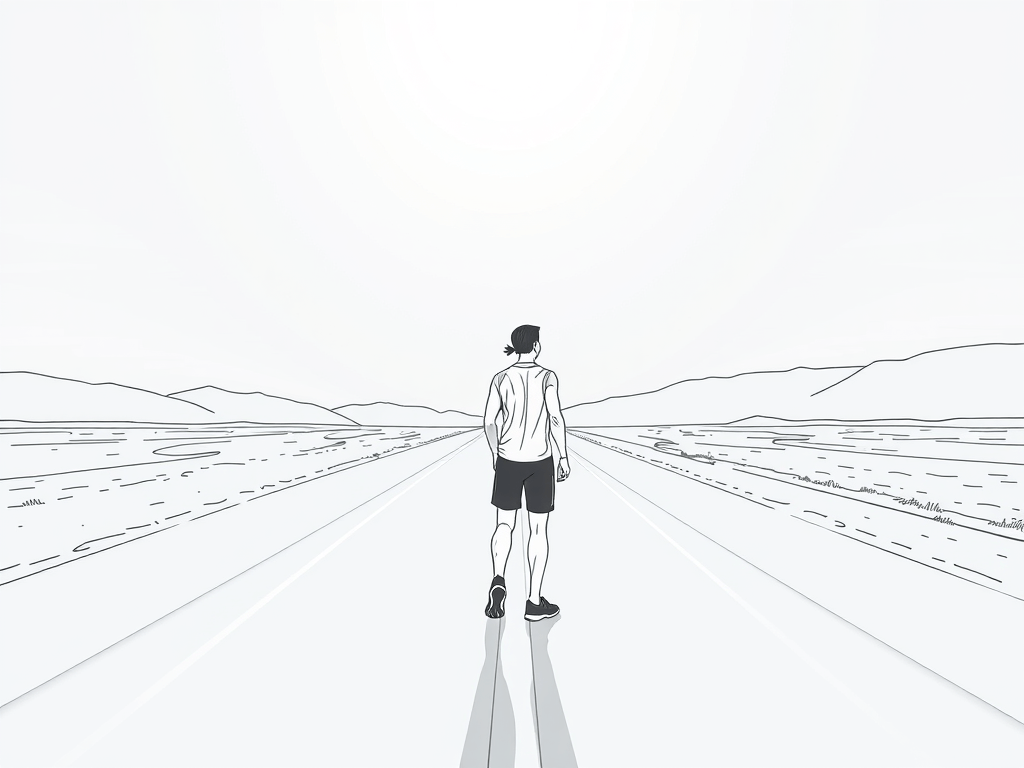
That moment. The sharp pain, the sudden twist, the sickening realization that something is wrong. For endurance athletes, injury isn’t just a physical setback; it’s an emotional earthquake that can shake the very foundations of our identity and our daily lives. The physical pain is undeniable, but often lurking beneath the surface is a complex web of mental and emotional challenges that can feel just as debilitating. The frustration of watching your hard-earned fitness erode, the anxiety about when – or if – you’ll be able to return to your beloved sport, the feeling of being disconnected from your tribe – these are all part of the often-unspoken journey of being sidelined.
While the initial focus after an injury rightfully centers on physical healing and rehabilitation, neglecting the psychological and emotional aspects can significantly hinder your recovery and impact your overall well-being. It’s like trying to run a marathon with a flat tire – you might be physically capable, but you won’t get very far. Today, we’re shedding light on the mental marathon that accompanies physical injury in endurance sports, exploring the emotional rollercoaster, offering coping strategies, and emphasizing the crucial importance of a holistic approach to getting back on your feet, or back in the saddle, stronger than before.
The Emotional Rollercoaster of Injury: A Spectrum of Feelings
The immediate aftermath of an injury can trigger a whirlwind of emotions. You might initially experience denial, refusing to believe the severity of the situation. This can quickly give way to anger – directed at yourself, at the circumstances, or even at your own body for letting you down. Frustration is a common companion, fueled by the inability to train and the feeling of being stuck in limbo. As the reality of the situation sinks in, sadness and grief over the loss of training, competition, and the joy of movement can emerge. And underlying it all, there’s often a persistent fear – fear of a prolonged recovery, fear of not regaining your previous fitness, and fear of re-injuring yourself upon your return.
It’s crucial to understand that experiencing this spectrum of emotions is not a sign of weakness, but rather a normal and valid response to a significant setback. Just as your body needs time to heal physically, your mind needs time to process and cope with the emotional impact of being sidelined.
Loss of Identity and Purpose: Who Are You When You’re Not Training?
For many endurance athletes, their sport isn’t just a hobby; it’s deeply intertwined with their sense of self and identity. It defines how they spend their time, how they socialize, and even how they view themselves. When an injury takes that away, it can lead to a profound sense of loss and a questioning of “Who am I if I’m not a runner/cyclist/swimmer?” The structured routine of training, the feeling of accomplishment after a hard workout, and the camaraderie of your athletic community suddenly become distant memories, leaving a void that can be difficult to fill.
The disruption of this regular training schedule can also impact your daily life, leading to feelings of aimlessness and a lack of purpose. The endorphin rush you’ve come to rely on is gone, potentially affecting your mood and overall energy levels. This loss of identity and routine can be one of the most challenging aspects of being injured, and it’s important to acknowledge and address these feelings.
Fear and Anxiety About Recovery and Return: The Uncertainty of the Future
The road to recovery after an injury can feel long and uncertain. You might find yourself constantly wondering how long it will take to heal, whether you’ll ever regain your previous fitness level, and the nagging fear of re-injuring yourself once you do return to sport. This fear and anxiety can be significant barriers to a successful recovery, sometimes leading to hesitancy in rehabilitation or a premature return to training. It’s important to acknowledge these anxieties and to find healthy ways to manage them.
Social Isolation: Feeling Disconnected from Your Tribe
Endurance sports, while often involving solo training, also foster strong communities. Training groups, running clubs, and cycling teams provide a sense of belonging and shared experience. When you’re injured and unable to participate in these activities, you can feel isolated and disconnected from your tribe. Missing out on group workouts, post-training chats, and the shared camaraderie can exacerbate feelings of loneliness and frustration.
Maintaining Motivation During Recovery: Staying Engaged When You Can’t Train
Staying motivated during the recovery process can be a significant challenge. When you’re used to setting and achieving fitness goals, being sidelined can feel like a step backward. Here are some strategies to help you stay engaged and motivated:
- Set Small, Achievable Goals: Instead of focusing solely on the distant goal of returning to your previous training volume, set smaller, more immediate goals within your rehabilitation process. This could be anything from increasing your range of motion to completing a certain number of strength exercises.
- Stay Connected to Your Sport: Even if you can’t actively participate, find ways to stay connected to your passion. This could involve watching races, reading articles and books about your sport, or volunteering at local events.
- Explore Cross-Training and Alternative Activities: Depending on your injury, there may be other forms of exercise you can engage in to maintain some level of fitness and a sense of being active. Swimming, gentle cycling on a stationary bike, or strength training for uninjured body parts can be beneficial.
Coping Mechanisms and Mental Strategies: Tools for Navigating the Challenges
Navigating the psychological challenges of injury requires developing effective coping mechanisms and mental strategies:
- Acceptance and Patience: The first step is often accepting the injury and understanding that recovery is a process that takes time. Be patient with yourself and your body.
- Focus on What You Can Control: While you can’t magically speed up the healing process, focus your energy on the aspects of recovery you can control, such as diligently following your rehabilitation program, prioritizing proper nutrition and hydration, and getting enough rest.
- Seek Support: Don’t hesitate to reach out for support from friends, family, your coach, and even mental health professionals if you’re struggling. Talking about your feelings can be incredibly helpful. Connecting with other injured athletes can also provide a sense of understanding and shared experience.
- Visualization and Mental Imagery: Use visualization techniques to imagine a successful recovery and your eventual return to sport. This can help maintain a positive mindset and reinforce your goals.
The Importance of a Holistic Approach to Recovery: Mind and Body Healing Together
It’s crucial to remember that recovery from injury is not just a physical process; it’s a holistic one that involves healing both your body and your mind. Neglecting the psychological and emotional aspects can actually hinder your physical healing and increase the risk of re-injury. By acknowledging and addressing the mental challenges of being sidelined, you’ll be better equipped to navigate the recovery process with resilience and ultimately return to your sport stronger and more well-rounded.
Your Journey Through Injury: Sharing Your Experiences
If you’ve experienced an injury as an endurance athlete, what were some of the biggest mental and emotional challenges you faced? What coping strategies did you find most helpful during your recovery? Your insights and experiences could provide invaluable support and guidance to fellow athletes currently navigating the difficult path of being sidelined. Share your stories and advice in the comments below.
Embracing the Mental Marathon for a Stronger Return
Being sidelined by injury is undoubtedly a tough experience for any endurance athlete. But by recognizing and addressing the mental and emotional challenges that accompany physical healing, you can navigate this difficult time with greater resilience and emerge stronger on the other side. Remember that your journey through injury is also a mental marathon, one that requires patience, self-compassion, and a willingness to seek support. Embrace the process, focus on what you can control, and know that this setback is just a temporary detour on your path to achieving your endurance goals. You will return.
Discover more from ABC Endurance
Subscribe to get the latest posts sent to your email.
