
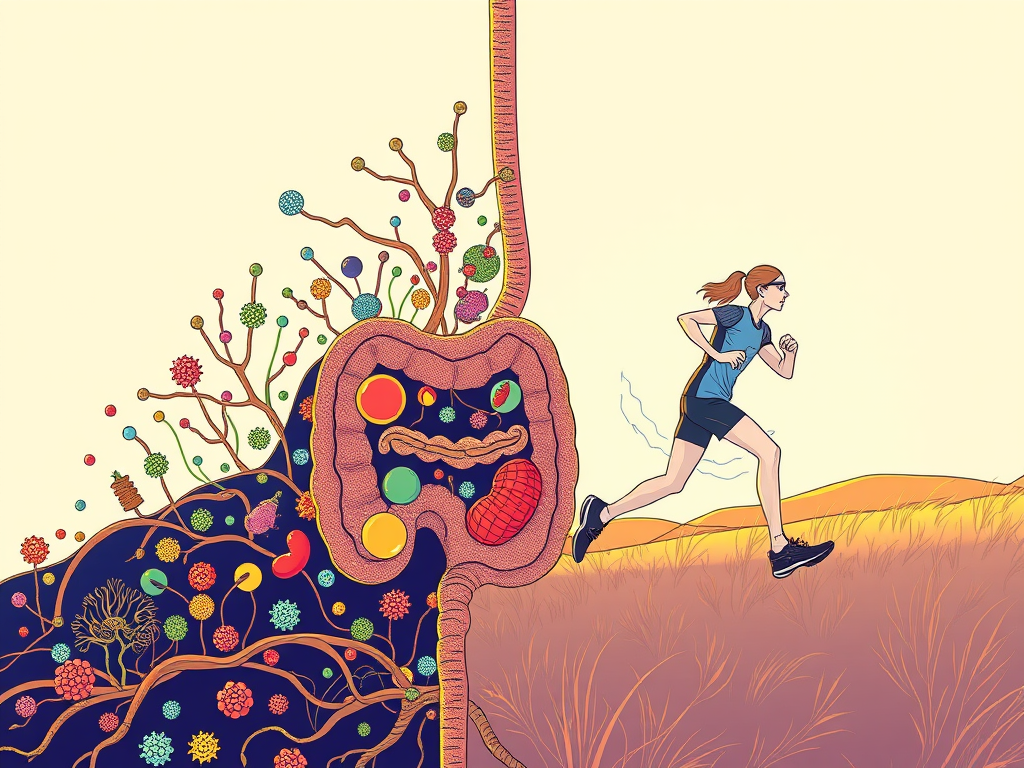
We often talk about pushing our limits, training our muscles until they ache, and fine-tuning our cardiovascular system for peak endurance. We meticulously track our heart rate, analyze our cadence, and obsess over every gram of carbohydrate consumed. But what if the key to unlocking your next personal best lies not just in the well-trodden paths of training, but in the intricate and often overlooked world within? Could the unsung hero residing in your abdomen, your digestive system, be the missing piece of the performance puzzle?
It’s a fascinating thought, isn’t it? The connection between our gut and our overall well-being, including our athletic prowess, is far more profound than we once imagined. Scientists are increasingly uncovering the intricate dance between our digestive system and our brain, a bidirectional communication network known as the gut-brain axis. And at the heart of this connection lies a bustling metropolis of microorganisms – the gut microbiome. Today, we’re diving deep into this fascinating world to explore the profound and often underestimated impact of digestive health, specifically the gut microbiome, on various aspects of endurance performance, from the very energy that fuels your muscles to the mental fortitude that pushes you through the final miles.
Understanding the Gut-Brain Axis: A Two-Way Street
Imagine a sophisticated communication highway constantly buzzing with activity. That’s essentially the gut-brain axis. It’s not just a one-way street where your stomach tells your brain you’re hungry. Instead, your gut and brain are in constant dialogue, exchanging signals through a complex network of nerves, hormones, and immune pathways. One of the primary routes of communication is the vagus nerve, a long cranial nerve that acts like a direct line connecting your brainstem to your abdominal organs.
But the real magic, and the focus of much current research, lies within the gut microbiome. This incredible community of trillions of bacteria, fungi, viruses, and other microorganisms living in your digestive tract isn’t just passively digesting your food. It’s an active participant in this gut-brain communication, influencing everything from nutrient absorption and inflammation to mood and even behavior. Think of it as a “second brain” residing in your gut, capable of sending and receiving a vast array of signals that impact your entire system.
The Gut Microbiome and Endurance Performance: More Than Just Digestion
For endurance athletes, the health and diversity of the gut microbiome can be a game-changer in ways that extend far beyond simply processing food.
Firstly, a diverse and healthy gut microbiome plays a crucial role in nutrient absorption efficiency. These tiny inhabitants of your gut help break down complex carbohydrates, proteins, and fats into smaller, more readily absorbable molecules. This efficient absorption ensures that your body gets the essential building blocks it needs for energy production to power those long runs and rides, as well as the necessary components for muscle repair and recovery after intense training.
Secondly, an imbalanced gut microbiome, often referred to as dysbiosis, has been linked to systemic inflammation. Chronic inflammation is the enemy of endurance athletes, hindering recovery, contributing to fatigue, and ultimately impacting performance. A healthy gut microbiome, on the other hand, helps regulate the immune system and can contribute to a more balanced inflammatory response in the body.
Interestingly, your gut bacteria can even contribute to energy production beyond calories. Certain types of gut bacteria can ferment undigested carbohydrates in your colon, producing short-chain fatty acids (SCFAs) like butyrate. Butyrate serves as a primary energy source for the cells lining your colon and can also be absorbed into the bloodstream, providing an additional fuel source for your body, potentially boosting your endurance reserves.
Finally, it’s crucial to remember that a significant portion of your immune system resides in your gut. A thriving and diverse gut microbiome acts as a powerful gatekeeper, strengthening your immune defenses and reducing your susceptibility to illness. For endurance athletes who often push their bodies to the limit, a robust immune system is vital for maintaining training consistency and avoiding those frustrating periods of being sidelined by sickness.
Digestive Issues Common in Endurance Athletes: The Runner’s Gut and Beyond
Despite the importance of a healthy gut, endurance athletes are often prone to a range of digestive issues. You might be familiar with the dreaded “runner’s gut,” characterized by intestinal distress during or immediately after running, with symptoms like cramping, nausea, diarrhea, and even vomiting. But it’s not just runners who experience these problems. Cyclists can also suffer from bloating, abdominal pain, and other forms of gastrointestinal discomfort.
Several physiological factors contribute to these issues. During intense exercise, blood flow is strategically diverted from the digestive system to the working muscles, potentially impairing gut function. Dehydration, a common challenge for endurance athletes, can further exacerbate digestive problems. The mechanical jostling of the gut during high-impact activities like running can also contribute to discomfort. And let’s not forget the stress of competition and intense training, which can have a direct impact on gut motility and function.
The Brain’s Role in Gut Health (and Vice Versa): The Mental-Physical Connection
The communication between your gut and brain isn’t just about physical processes; it extends deeply into the realm of mental and emotional well-being, which in turn significantly affects your athletic performance.
Think about those pre-race jitters. That knot in your stomach isn’t just a figure of speech. Mental stress, anxiety, and pre-race nerves can directly influence gut motility, leading to that familiar feeling of unease, and in some cases, even digestive upset. Your brain’s emotional state has a tangible and immediate effect on your digestive system.
Conversely, have you ever experienced a strong “gut feeling” about something? This intuitive connection highlights how your gut can send signals to your brain that influence your mood, decision-making, and even your perception of effort during a race or workout.
Furthermore, your gut is a surprisingly active producer of neurotransmitters, chemical messengers that play a crucial role in regulating mood, sleep, and motivation. In fact, the majority of your body’s serotonin, a neurotransmitter often associated with feelings of well-being and happiness, is produced in your gut. This underscores the direct and powerful link between your gut health and your mental health, which can significantly impact your motivation to train, your resilience during tough workouts, and your overall enjoyment of your endurance pursuits.
Strategies for Optimizing Gut Health for Endurance: Fueling from the Inside Out
So, how can you, as an endurance athlete, nurture your gut microbiome and optimize your digestive health for peak performance? Here are some evidence-based strategies to consider:
- Embrace Probiotics and Prebiotics: Consider incorporating foods rich in probiotics (live beneficial bacteria) like yogurt with live and active cultures, kefir, sauerkraut, kimchi, and kombucha into your diet. Also, fuel your existing good bacteria with prebiotic fibers found in foods like onions, garlic, oats, asparagus, and bananas. These dietary additions can help cultivate a more diverse and resilient gut microbiome.
- Find Your Fiber Balance: While fiber is essential for overall health and gut function, finding the right balance is key for athletes. Too little fiber might not adequately support your microbiome, while too much, especially close to training or racing, can lead to digestive distress. Experiment to find what works best for your individual needs and the timing of your workouts.
- Hydration is Your Ally: Adequate hydration is absolutely crucial for maintaining healthy digestion. Water helps move food through your digestive tract and prevents issues like constipation and cramping. Ensure you’re consistently hydrating throughout the day, especially around your training sessions.
- Manage Stress Mindfully: Recognize the powerful connection between your brain and gut. Incorporate stress-reducing practices into your routine, such as mindfulness meditation, yoga, deep breathing exercises, or spending time in nature. Managing stress can have a significant positive impact on your gut health.
- Time Your Meals Strategically: Pay attention to the timing of your meals and snacks around your training sessions. Avoid consuming large, heavy meals too close to exercise to minimize the risk of digestive upset. Allow adequate time for digestion before hitting the road or trail.
- Listen Intently to Your Body’s Signals: Your body is a sophisticated feedback system. Pay close attention to how different foods make you feel, especially in relation to your training. Keep a food journal to track your intake and any associated digestive symptoms. Identifying trigger foods that consistently cause you problems can be invaluable in optimizing your gut health.
Your Gut Journey: Share Your Experiences!
Have you ever experienced digestive issues impacting your training or racing? What strategies have you found helpful for maintaining a healthy gut as an endurance athlete? We’d love to hear your experiences and tips in the comments below! Your insights could be incredibly valuable to fellow athletes navigating their own gut health journeys.
Nurturing Your Inner Ecosystem for Peak Performance
The world of endurance sports is constantly evolving, and our understanding of the factors that contribute to peak performance is expanding. While training our muscles and lungs remains paramount, it’s clear that the health and function of our digestive system, particularly the intricate world of the gut microbiome, play a profound and often underestimated role. By understanding the powerful gut-brain axis and prioritizing our digestive health through mindful nutrition, consistent hydration, effective stress management, and by truly listening to our bodies, we can unlock a new level of performance and well-being, fueling our endurance pursuits from the inside out. So, take care of that incredible ecosystem within you – it might just be the key to your next personal best.
Discover more from ABC Endurance
Subscribe to get the latest posts sent to your email.
