
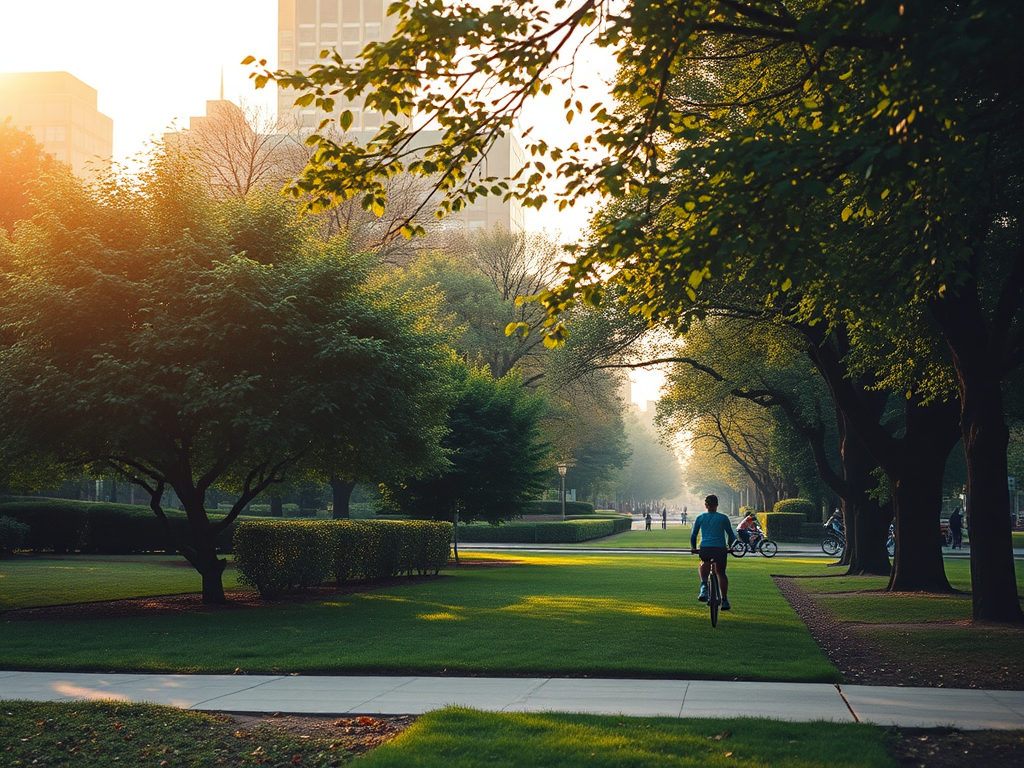
The rhythmic pounding of your feet against the pavement, the whir of your tires against the asphalt – these are the familiar soundtracks of the urban endurance athlete. But so too are the relentless drone of traffic, the cacophony of construction, and the sheer visual assault of concrete and steel. If you call a city home and pursue the joys of running or cycling, you’re likely intimately acquainted with this environment. It’s where we often log our miles, push our limits, and chase our personal bests. But what about the crucial downtime, the vital recovery that allows us to come back stronger? While we diligently focus on nutrition, stretching, and foam rolling, there’s a powerful, often overlooked ally right in our urban backyard: green spaces.
Think of them as pockets of nature amidst the urban sprawl – parks, gardens, nature preserves, even tree-lined pathways. These aren’t just aesthetically pleasing patches of green; they are potent resources that can significantly enhance your recovery as a runner or cyclist, extending far beyond the purely physical benefits. In a world that often feels dominated by the artificial, these natural oases offer a sanctuary for both body and mind. Let’s explore the profound impact urban green spaces can have on your holistic recovery journey.
The Unique Stressors Faced by Urban Endurance Athletes
Living and training in an urban environment presents a unique set of stressors that can impact recovery. Noise pollution, the constant barrage of traffic horns, sirens, and general city clamor, can elevate stress levels and disrupt sleep patterns, both crucial elements of effective recovery. Air pollution, another common urban woe, can negatively affect respiratory health and overall well-being, hindering the body’s ability to repair and rebuild after strenuous activity.
Beyond the auditory and respiratory challenges, urban athletes often face visual clutter and sensory overload. The constant stimulation of bright lights, billboards, and the sheer density of people and activity can lead to mental fatigue and a feeling of being constantly “switched on.” Finally, time constraints and accessibility can make finding dedicated recovery time and suitable locations a challenge. Squeezing in a proper cool-down or a leisurely recovery walk can feel like another item on an already packed schedule.
The Powerful Psychological Benefits of Green Spaces for Recovery
This is where the magic of urban green spaces truly shines. Research consistently demonstrates the powerful psychological benefits of spending time in nature, and these benefits are particularly relevant for endurance athletes seeking optimal recovery.
Perhaps the most well-documented benefit is stress reduction and relaxation. Studies have shown that even short periods spent in natural environments can lower cortisol levels, the body’s primary stress hormone. The sights, sounds, and even smells of nature can trigger a relaxation response, helping to calm the nervous system and promote a sense of tranquility after a demanding workout.
Furthermore, green spaces have a remarkable ability to foster an improved mood and reduce anxiety. The natural light, the presence of greenery, and the opportunity to escape the concrete jungle can have a positive impact on our emotional state, alleviating feelings of anxiety, depression, and general stress. This mental uplift is crucial for overall well-being and can significantly enhance the recovery process.
The concept of attention restoration theory highlights another key benefit. Our directed attention, the kind we use to focus on tasks and navigate our busy lives, can become fatigued over time, especially in stimulating urban environments. Nature, with its gentle and captivating stimuli, allows our directed attention to rest, leading to enhanced focus and cognitive restoration. A quiet walk in a park can do wonders for clearing the mind and improving mental clarity, which is essential for planning future training and staying motivated.
Finally, spending time in nature often leads to increased feelings of well-being and connection. Being surrounded by the natural world can foster a sense of peace, a connection to something larger than ourselves, and an overall feeling of contentment. This sense of well-being can contribute to a more positive outlook on training and life in general, making the recovery process feel less like a chore and more like a restorative experience.
Indirect Physical Recovery Benefits Facilitated by Green Spaces
While the psychological benefits are significant, urban green spaces can also indirectly contribute to physical recovery. The improved sleep quality that often results from reduced stress levels, thanks to time spent in nature, is paramount for physical repair and muscle regeneration. A calmer mind often leads to a more restful night.
Green spaces also provide opportunities for gentle movement and active recovery. Instead of collapsing on the couch after a hard run or ride, consider a leisurely walk, some light stretching, or even a gentle yoga session in a park. The soft ground and natural surroundings can make these activities feel more enjoyable and less like another task to complete.
Depending on the specific location and the surrounding urban landscape, green spaces can sometimes offer a potential for cleaner air. While not always a guarantee in a city, parks and tree-filled areas can act as pockets of slightly fresher air compared to heavily trafficked zones, which can be beneficial for respiratory recovery.
Practical Strategies for Incorporating Urban Green Spaces into Your Recovery Routine
The good news is that integrating urban green spaces into your recovery doesn’t have to be a major undertaking. Here are some practical strategies to consider:
- Seek Out Parks and Trails for Training: Instead of sticking solely to sidewalks and roads, actively look for running or cycling routes that incorporate parks, trails, or greenbelts within your city.
- Utilize Green Spaces for Post-Workout Cool-Downs and Stretching: After your next tough session, find a quiet spot in a park to perform your cool-down stretches. The natural surroundings can enhance the feeling of relaxation.
- Schedule “Green Time” for Active Recovery: Dedicate specific time slots for active recovery activities like leisurely walks, gentle bike rides, or even a restorative yoga session in a park.
- Make Green Spaces a Destination for Rest and Relaxation: Sometimes, the best recovery is simply doing nothing in a peaceful environment. Pack a book or a blanket and spend some time simply sitting or lying down in a park, allowing yourself to fully unwind.
- Explore Community Gardens and Pocket Parks: Don’t overlook smaller green spaces. Even a brief 15-minute break in a community garden or a small pocket park can offer a welcome dose of nature.
- Consider “Forest Bathing” (Shinrin-Yoku): This Japanese practice involves mindfully immersing yourself in the atmosphere of the forest, engaging all your senses. Even a short walk amongst trees can be incredibly restorative.
Finding the Green Oases in Your City
Locating these urban havens is often easier than you think. Utilize online mapping tools – many apps and websites highlight parks, trails, and green spaces within your city. Ask local running and cycling groups for their favorite green routes and hidden gems. Don’t be afraid to explore beyond the obvious. Community gardens, cemeteries with green space (often surprisingly peaceful), or even tree-lined streets can offer a touch of nature’s restorative power.
Addressing Potential Challenges
We understand that incorporating green spaces into your routine might come with its own set of challenges. Accessibility and distance can be a barrier for some. If getting to a large park is difficult, try to find smaller pockets of nature closer to home. Even bringing nature indoors with houseplants can offer some of the psychological benefits. Safety concerns are valid in some urban areas. Consider visiting green spaces during daylight hours or with a friend. Finally, time constraints are a common struggle. Even short periods of time spent in nature, even just 10-15 minutes, can be beneficial.
Expert Corner
“In the context of urban living, access to and utilization of green spaces is no longer a luxury but a necessity for overall well-being, especially for those engaging in physically demanding activities like endurance sports,” says Dr. Lena Evans, an environmental psychologist specializing in urban health. “The restorative effects of nature on both mental and physical health are well-documented, and for urban athletes, these spaces offer a vital counterbalance to the stresses of city life, promoting more effective recovery and ultimately enhancing performance.”
Mark Olsen, a dedicated urban cyclist who commutes and trains in a bustling city, shares his experience: “Honestly, finding those green routes and parks has been a game-changer for my recovery. After a long, stressful day at work followed by a hard ride, just spending 20 minutes walking through the park near my apartment helps me unwind in a way that nothing else does. I sleep better, feel less stressed, and I’m ready to tackle my next workout with more energy.”
Your Green Recovery: Share Your Spots!
We’d love to hear about your favorite urban green spaces for recovery! Where do you go in your city to find that natural respite? How do you incorporate nature into your training and rest routines? Share your tips and hidden gems in the comments below!
Embrace the Green for a Better Recovery
The concrete jungle doesn’t have to be a barrier to effective recovery. By actively seeking out and utilizing the urban green spaces that exist within our cities, runners and cyclists can tap into a powerful resource that extends far beyond the physical. From reducing stress and improving mood to indirectly enhancing sleep and providing opportunities for gentle movement, these natural oases offer a vital counterbalance to the demands of urban training. So, take a moment to look around your city with fresh eyes. Discover the green havens waiting to be explored, and embrace the restorative power of nature to enhance your recovery and ultimately, your endurance journey.
Discover more from ABC Endurance
Subscribe to get the latest posts sent to your email.
