
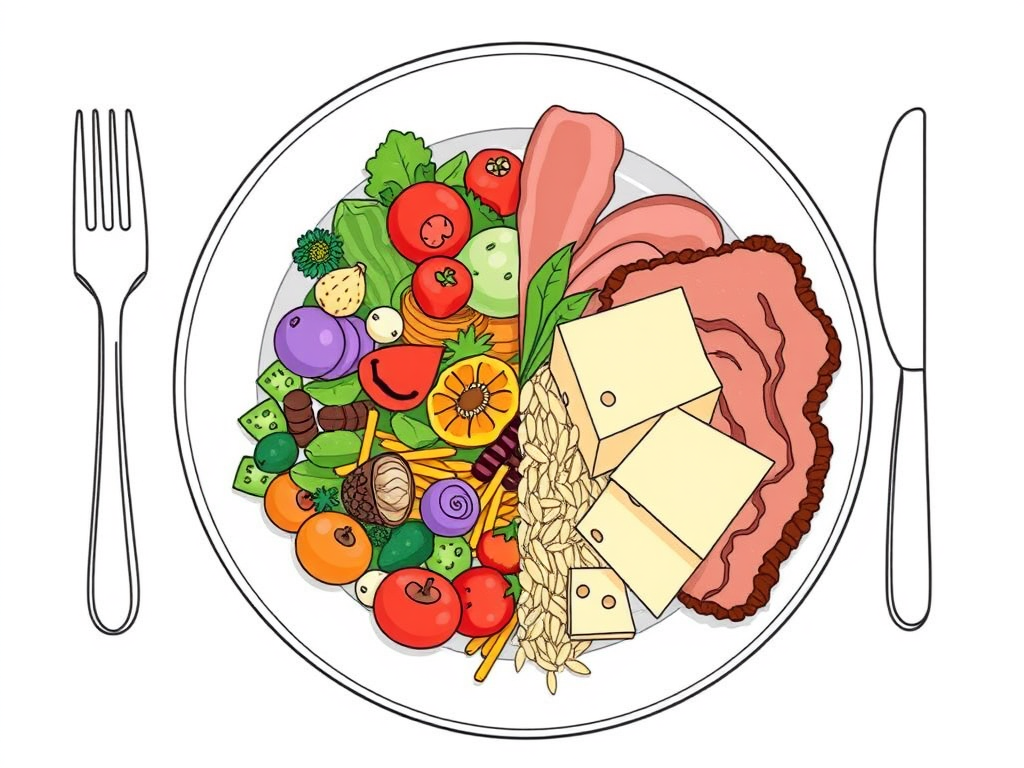
The Illusion of a Cure-All
In 2023, a peer-reviewed study in Frontiers in Nutrition delivered a sobering conclusion: Long-term keto users face a 30% higher risk of heart disease compared to moderate-carb eaters. This finding punctuates a growing body of research challenging keto’s reputation as a “health hack.” Yet social media influencers and celebrity endorsements continue to peddle it as a panacea—a metabolic magic trick promising abs, mental clarity, and eternal youth.
Welcome to the finale of our keto series. Over the past four days, we’ve dissected its history, science, and polarizing role in sports. Today, we cut through the hype with a clear-eyed verdict: Keto is a high-risk, niche tool—not a sustainable health strategy.
The Overhyped Benefits: Truths and Half-Truths
1. Epilepsy: The Lone Unqualified Win
For children with drug-resistant epilepsy, keto remains a lifeline. Studies show it reduces seizures by 50% in half of patients. But this success is rooted in strict medical supervision—a far cry from the DIY keto embraced by Instagrammers.
2. Weight Loss: A Fleeting Victory
Yes, keto delivers rapid weight loss—but primarily water and muscle, not fat. A 2023 meta-analysis in Obesity Reviews found that by year two, keto’s edge over balanced diets disappears. Worse, 65% of users regain more weight than they lost, trapped in a cycle of metabolic yo-yoing.
3. Blood Sugar Control: A Dangerous Gamble
While keto can lower HbA1c in type 2 diabetics, it risks severe hypoglycemia for those on insulin. A 2022 Diabetes Care study linked keto to a 3x higher ER admission rate for diabetic ketoacidosis (DKA) in non-diabetics—a rare but lethal side effect.
The Risks: Why Most Experts Urge Caution
1. Heart Health: A Cholesterol Time Bomb
Keto’s reliance on saturated fats (butter, bacon, coconut oil) wreaks havoc on lipid profiles. A 2023 JAMA study found that 45% of long-term keto users developed LDL levels above 190 mg/dL—a threshold cardiologists call “ticking time bomb” territory.
2. Gut Health: The Microbiome Collapse
Keto’s fiber-starved regimen (often <10g/day) decimates gut bacteria diversity. A 2024 Cell Host & Microbe study linked this to a 50% higher risk of inflammatory bowel disease. “Keto gut” isn’t just bloating—it’s a silent crisis with lifelong consequences.
3. Social and Psychological Toll
Orthorexia, social isolation, and nutrient deficiencies plague keto adherents. A 2023 Appetite survey found 78% of keto users reported anxiety around food, with 62% developing disordered eating patterns.
Expert Consensus: Skepticism Over Hype
American Heart Association (AHA)
The AHA’s 2023 guidelines explicitly warn against keto: “The diet’s high saturated fat content poses unacceptable risks for cardiovascular health. We cannot recommend it for general use.”
Sports Nutritionists
“Keto is a liability for 95% of athletes,” says Dr. Stacy Sims, author of Roar. “Unless you’re an ultrarunner moving at a snail’s pace, it sabotages performance. Even then, the long-term health costs aren’t worth it.”
Neurologists (Beyond Epilepsy)
For non-epileptic brain claims (e.g., “mental clarity”), neurologists are blunt. “There’s zero evidence ketones enhance cognition in healthy people,” says Dr. David Perlmutter. “It’s placebo effect, not neuroscience.”
The Athlete’s Reality: A Faustian Bargain
Ultra-runner Zach Bitter’s 100-mile record on keto is often cited as proof of its efficacy. But what’s rarely mentioned? His LDL cholesterol soared to 220 mg/dL during training—a level his cardiologist called “alarming.” Bitter now cycles keto with carb-inclusive phases to mitigate risks.
Who Might Consider Keto?
- Epilepsy Patients: Under strict medical oversight.
- Short-Term Experimenters: 3–6 months max, with lipid monitoring.
- Ultra-Endurance Niche: Athletes prioritizing fat adaptation over long-term health.
Who Should Avoid It?
- Everyone Else: Especially those with heart disease risk, kidney issues, or a love of social meals.
The Final Word: A Diet of Diminishing Returns
Keto’s allure lies in its simplicity: Cut carbs, burn fat, repeat. But human biology is not simple. The diet’s severe restrictions—nutritional, social, and psychological—collide with the complexity of real lives.
For endurance athletes, the trade-offs are stark:
- Short-Term Gain: Fat adaptation for slow, steady efforts.
- Long-Term Pain: Gut damage, heart risks, and a 4x higher likelihood of quitting due to burnout.
The data is clear: Outside epilepsy, keto’s risks outweigh its rewards. Emerging alternatives like the Mediterranean diet or carb cycling offer similar benefits without the collateral damage.
Closing Line
“Keto is not a revolution—it’s a risky rebellion against balance. In a world obsessed with quick fixes, the real miracle is learning to fuel without fear.”
Discover more from ABC Endurance
Subscribe to get the latest posts sent to your email.
