
A Century-Old Diet Reimagined
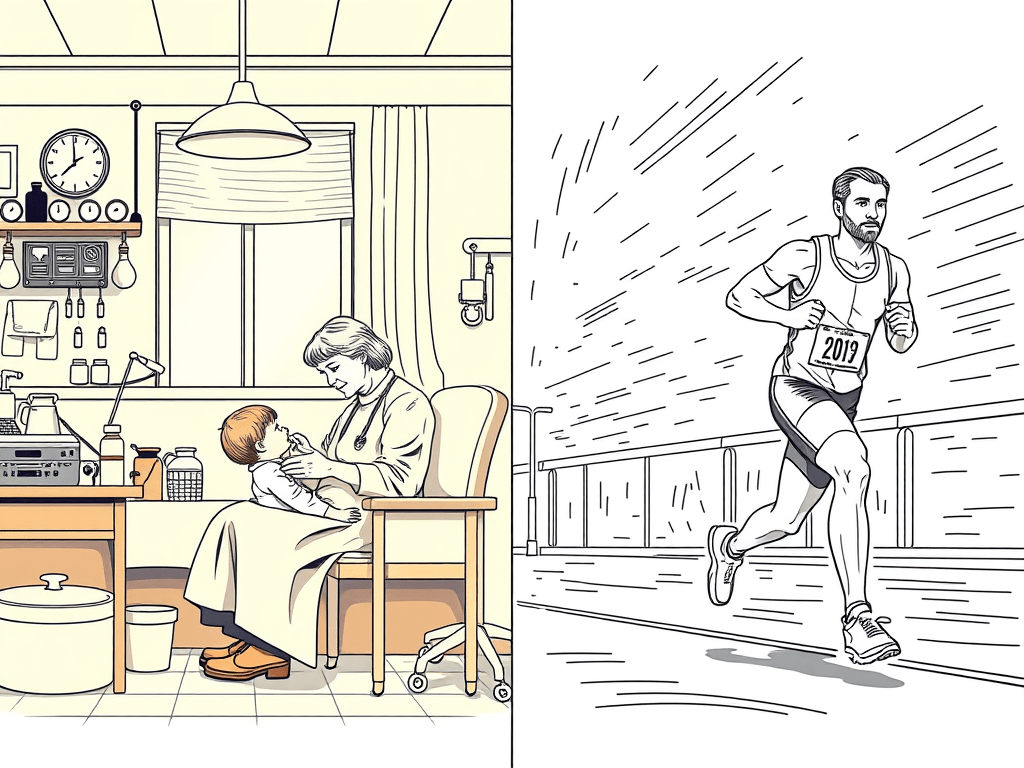
In 1921, a desperate mother brought her son to the Mayo Clinic, hoping for a cure for his violent epileptic seizures. Doctors prescribed a radical solution: a diet nearly devoid of carbohydrates, crammed with fat. Within weeks, his seizures vanished. This marked the birth of the ketogenic diet—a medical protocol that would spend decades in obscurity before exploding into mainstream culture as the darling of biohackers, Instagram influencers, and endurance athletes.
This week, we’re unraveling the keto phenomenon. Today, we trace its century-long evolution from hospital wards to marathon start lines. Subscribe now to follow the series—tomorrow, we’ll dissect the science behind ketosis and its contested role in athletic performance.
The Keto Blueprint: Flipping the Metabolic Script
At its heart, the ketogenic diet is a metabolic rebellion. While most diets tinker with calories, keto overhauls your body’s fuel system. By slashing carbs to a mere 20–50 grams daily (less than a bagel) and replacing them with fat, it forces the liver to produce ketones—molecules that power the brain and muscles when glucose is scarce.
This wasn’t a novel idea in the 2010s, when keto became a hashtag. It was a revival of survival physiology. Our ancestors often relied on ketosis during famines or winter months when carbs were scarce. But the diet’s modern story begins not with cavemen, but with a neurologist named Dr. Russell Wilder.
1920s–1940s: A Lifeline for Epilepsy
Wilder’s 1921 breakthrough at the Mayo Clinic wasn’t just about macronutrients—it was about mimicking starvation. He’d observed that fasting reduced seizures, but starving children wasn’t sustainable. His solution: a carefully calculated diet of 90% fat, tricking the body into a fasting state while keeping patients nourished.
The results were staggering. In one early trial, over half of epileptic children saw seizure reductions, with some cured entirely. But by the 1940s, new anticonvulsant drugs pushed keto to the fringes. For decades, it lingered as a “last resort” therapy, prescribed only when medications failed.
1970s–1990s: Keto’s Rebel Cousin Takes the Stage
The diet’s second act began with a cardiologist who hated carbs. Dr. Robert Atkins, inspired by keto’s principles, launched his eponymous diet in 1972, urging followers to ditch bread and embrace steak. Though not identical to keto (Atkins allowed more protein), his manifesto—Dr. Atkins’ Diet Revolution—rehabilitated fat and demonized carbs, laying groundwork for keto’s later resurgence.
The 1990s brought Hollywood’s stamp of approval. Celebrities like Jennifer Aniston touted low-carb eating, while Silicon Valley tech bros guzzled butter-laden “bulletproof coffee” in pursuit of cognitive edge. Yet mainstream medicine remained skeptical—until 2008, when a landmark study in Lancet Neurology confirmed keto’s power to slash seizures in drug-resistant epilepsy. Suddenly, the medical world remembered what it had forgotten.
2010s–Present: Keto’s Pop Culture Takeover
Enter Tim Ferriss, the pied piper of biohacking. His 2010 bestseller The 4-Hour Body rebranded keto as a tool for “superhuman” fat loss and productivity, divorced from its medical roots. Social media amplified the message: Instagram feeds filled with #ketotransformation posts, while YouTube gurus peddled “fat bombs” and ketone supplements.
But the most surprising adopters were endurance athletes. Ultra-marathoners like Zach Bitter began crediting keto for their ability to run 100 miles without “bonking.” The logic was seductive: If your body burns fat (a nearly endless fuel source) instead of carbs (which deplete quickly), you could theoretically run forever. Traditional sports nutrition, with its gels and carb-loading rituals, suddenly seemed outdated.
Why We Fell for Keto: The Allure of Metabolic Alchemy
Keto’s modern appeal lies in its contradictions. It’s a diet that lets you eat bacon while promising abs. A regimen born in hospitals, now hawked on TikTok. A “natural” metabolic state marketed with $100 ketone meters.
Two forces propelled its rise:
- The Instant Gratification Effect: Dropping 10 pounds in two weeks (mostly water weight) hooks dieters fast.
- Distrust of “Big Food”: The 2010s saw a backlash against sugary cereals and low-fat dogma. Books like The Big Fat Surprise framed keto as a rebellion against flawed dietary guidelines.
Yet beneath the hype lay genuine innovation. Cyclical and targeted keto variations emerged, allowing athletes to periodize carb intake around training. Biohackers experimented with exogenous ketones, attempting to cheat their way into fat-burning mode. Keto became less a diet than an identity—one embraced by everyone from CrossFit devotees to diabetes patients.
The Irony of Keto’s Revival
There’s poetic symmetry in keto’s journey. Born to treat a neurological disorder, it’s now touted for “mental clarity.” Designed to sustain epileptic children, it’s adopted by athletes pushing human limits. But this reinvention raises questions: Can a therapy meant for sick children safely fuel Ironman triathletes? Does swapping medical supervision for DIY Instagram plans risk unintended consequences?
We’ll tackle these tensions later this week. For now, consider this: The keto diet’s 100-year arc mirrors our changing relationship with food itself—from survival, to medicine, to performance art.
What’s Next?
Tomorrow, we’ll dissect the science behind ketosis: How your liver becomes a fat-burning furnace, why some studies show stunning weight loss (while others warn of heart risks), and whether “keto clarity” is real or placebo. Later this week, we’ll pit keto against USDA guidelines, explore its pitfalls for athletes, and separate lasting benefits from fleeting trends.
Want the full story? Subscribe below. Each morning, you’ll get a fresh chapter—no spam, no fluff, just evidence-based insights. And if you’ve tried keto, we want to hear from you! Share your experience in the comments for a chance to be featured in Friday’s finale.
A Taste of Tomorrow
“Ketosis is like a backup generator for your metabolism—powerful, but not meant to run 24/7. So why are we treating it like a perpetual motion machine?”
—Tuesday’s Preview: The Science of Starvation (Without the Starving)
Discover more from ABC Endurance
Subscribe to get the latest posts sent to your email.
