
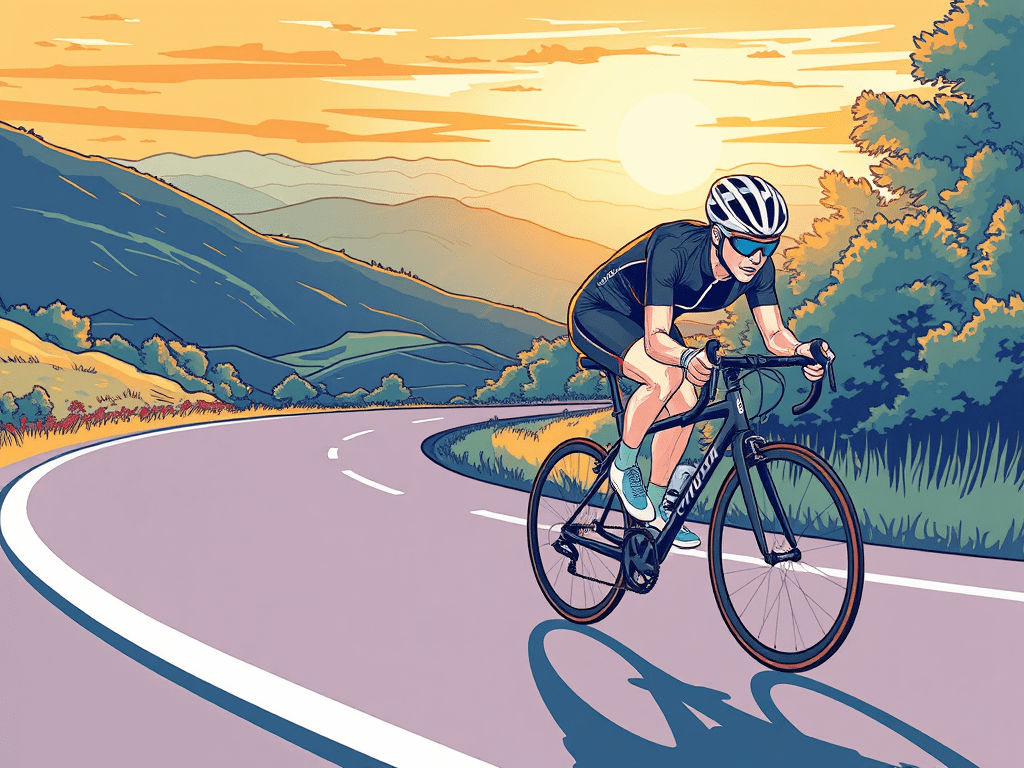
The transition from base training to race-specific fitness is a delicate balancing act. It’s a phase that, if done correctly, can set an athlete up for peak performance when it matters most. But if mishandled, it can lead to burnout, fatigue, or the frustrating feeling of being strong in training but unable to execute on race day.
Early in the season, base training forms the bedrock of an endurance athlete’s capabilities. Long, steady miles develop aerobic efficiency, allowing the body to utilize oxygen more effectively and sustain prolonged efforts with less fatigue. This phase is about building an engine—one that’s durable, efficient, and primed for the rigors of race season. However, base training alone won’t win races. As the competitive season approaches, the demands shift. The ability to ride at threshold, recover quickly from surges, and unleash powerful accelerations becomes just as critical as endurance. This is where race-specific training comes in.
But how do you move from one to the other without losing the fitness you’ve built? The key lies in a structured transition—one that gradually reduces volume while introducing intensity in a way that complements, rather than replaces, the foundation laid in the base phase.
Bridging the Gap Between Endurance and Speed
For many cyclists, the first instinct when shifting to race-specific training is to dive headfirst into high-intensity intervals, assuming that more speed work will translate to better results. But the body doesn’t work that way. Going from a high-volume, low-intensity phase to repeated all-out efforts without an adaptation period is like trying to sprint a marathon—possible in the short term, but not sustainable.
Instead, the transition should begin by slightly cutting back on overall volume while strategically inserting race-relevant intensity. A cyclist who has been riding 12 hours per week at mostly moderate effort might reduce to 9 or 10 hours, with some of those newly freed-up hours dedicated to structured intervals. These sessions should start with threshold and VO2 max efforts—workouts designed to push the upper limits of sustainable effort and oxygen utilization. For instance, a session of 3×10-minute intervals at threshold (just below the point where lactate accumulates) builds the ability to sustain hard efforts, while 5×3-minute VO2 max intervals teach the body to process oxygen more efficiently under stress.
Yet, even as these higher-intensity efforts become more frequent, endurance riding shouldn’t be abandoned entirely. A common mistake is to replace all long, steady rides with interval sessions, believing that endurance fitness has already been banked. But the body doesn’t hold onto adaptations indefinitely. Without maintenance, that strong aerobic base will begin to fade, leaving an athlete powerful in short bursts but lacking the staying power to sustain those efforts deep into a race.
A smarter approach is to continue scheduling at least one long ride per week, even if it’s slightly shorter than the peak of base training. If the longest base ride was five hours, scaling back to three or four hours—while incorporating some race-intensity efforts within that ride—can be a powerful way to maintain endurance while sharpening speed.
Avoiding the Traps of Transition
Shifting from base to race-specific training isn’t just about adding intensity—it’s also about managing fatigue. One of the biggest mistakes athletes make in this phase is overloading too quickly, assuming that because they’ve built endurance, they can handle more hard sessions than their body is ready for. The result? Deep fatigue, performance stagnation, or even illness.
A good rule of thumb is to introduce intensity gradually, ensuring that recovery remains a priority. Instead of jumping from one or two hard sessions per week straight into four or five, a better approach is to start with two focused interval sessions and see how the body responds. If energy levels stay high and recovery is smooth, then a third session might be appropriate. But if power numbers start to dip, motivation lags, or sleep becomes disrupted, it’s a sign that the body is being pushed too hard.
Another often-overlooked component of this transition phase is race simulation. Fitness alone doesn’t win races—strategy, pacing, and the ability to respond to dynamic efforts are just as important. Group rides or training races offer invaluable practice in reading the flow of competition, positioning well, and responding to attacks. These real-world experiences are difficult to replicate in solo training and can often be the difference between a strong but tactically unprepared rider and one who knows exactly when to make their move.
The Art of Timing Peak Performance
Ultimately, the goal of this transition isn’t just to build fitness—it’s to time peak performance for when it matters most. This requires patience, discipline, and a willingness to listen to the body. Some athletes feel great early in the season and push too hard, too soon, only to find themselves flat and overtrained when key races arrive. Others hesitate to introduce intensity, clinging to base miles longer than necessary and finding themselves underprepared for the demands of racing.
The best approach lies in balance. By gradually introducing race-specific work while maintaining key elements of base fitness, an athlete can ensure that they arrive at the start line not just fit, but race-ready. And when that happens, all the months of training—both the long, steady rides and the gut-wrenching intervals—will come together in a performance that feels effortless, powerful, and timed to perfection.
Discover more from ABC Endurance
Subscribe to get the latest posts sent to your email.
