
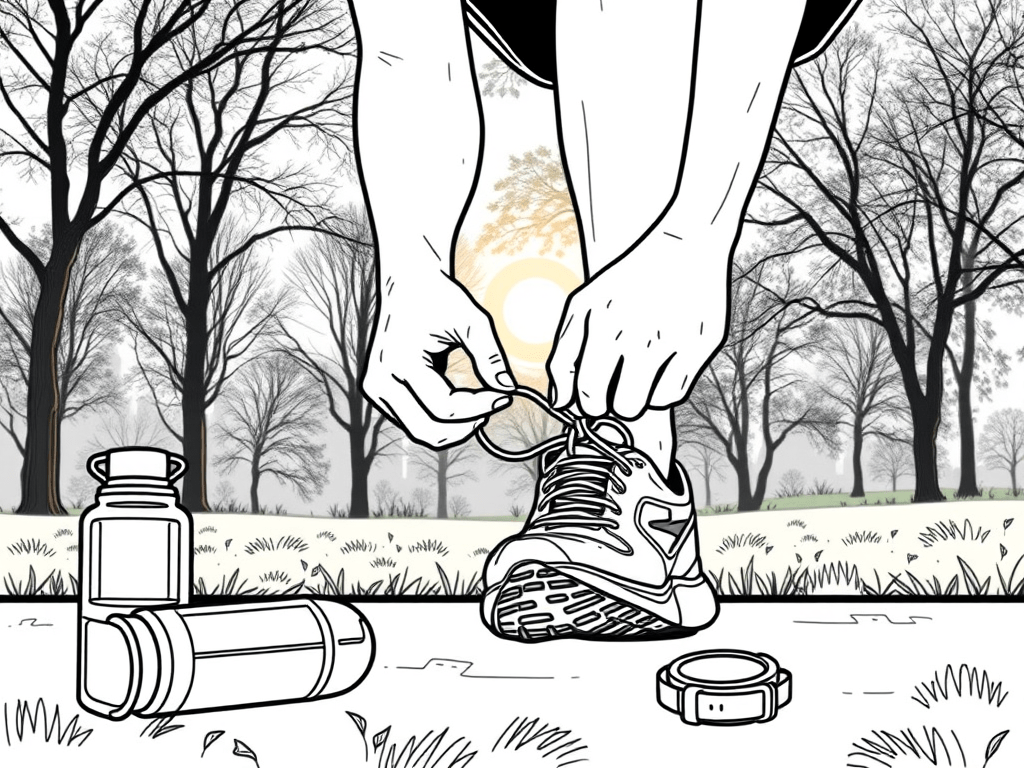
Every endurance athlete, whether a seasoned marathoner, triathlete, or weekend warrior, has faced setbacks. Life happens—injuries, illness, work, family, or just a loss of motivation can derail your routine. One skipped session turns into a week, then a month, and before you know it, you’re staring at your running shoes like they’re strangers.
The good news? You can always get back on the horse. The key is to do it strategically, with patience and a plan. Here’s how to rebuild your endurance habit after time off.
1. Ditch the Guilt and Accept the Reset
First things first—let go of any guilt. Taking a break doesn’t erase your past accomplishments, nor does it define your future. Your body and mind needed that time away for a reason. Instead of dwelling on lost fitness, reframe the situation: You’re starting fresh with experience on your side.
Rather than trying to immediately return to your peak, accept that you might be a few steps behind where you left off. That’s okay. The goal isn’t to rewind time—it’s to rebuild consistently.
2. Start with Small, Attainable Goals
One of the biggest mistakes athletes make when returning is jumping back in at full intensity. The reality is, if you’ve had a significant break, your body needs time to readjust. Your cardiovascular system, muscles, and even mental resilience aren’t where they were before—and pushing too hard too soon can lead to injury or burnout.
Set short-term, manageable goals:
- If you were running 50 miles a week before, start with 15–20 miles.
- If you used to swim 3,000 meters per session, start with 1,000–1,500 meters.
- If cycling was your thing, ease back with shorter, lower-intensity rides.
Give yourself milestones to hit each week, but leave room for flexibility. You’re not just training your body—you’re reestablishing a habit.
3. Focus on Consistency, Not Performance
In the first few weeks back, the goal should be frequency over intensity. Even if your sessions are shorter or slower than before, showing up is what matters. The more consistently you move, the faster your body will adapt.
Set a schedule that prioritizes regular workouts—even if they’re just 20–30 minutes long. It’s better to train at a lower volume several times a week than to go all-out once and need excessive recovery.
4. Listen to Your Body and Adapt
Your return to training isn’t linear. Some days will feel great, and others will feel like a struggle. Pay attention to what your body is telling you. Soreness, fatigue, or unusual aches might signal that you need more recovery time or that you ramped up too quickly.
Don’t be afraid to adjust your plan. A sustainable return means embracing a gradual progression. If a workout feels too tough, dial it back. If you feel good, allow some flexibility to push a little further—but don’t get overzealous.
5. Strength and Mobility Matter More Than Ever
A break from training often means a loss of strength, stability, and mobility. Before you start hammering out high-intensity miles or hours in the saddle, incorporate strength work to build back a solid foundation.
Focus on:
- Core strength: Planks, bridges, and rotational exercises to support your endurance efforts.
- Mobility drills: Dynamic stretching, yoga, or targeted mobility work to prevent stiffness and injury.
- Stability training: Single-leg exercises, balance drills, and bodyweight strength movements to reinforce proper movement patterns.
A strong, mobile body will help you return to training with better efficiency and lower injury risk.
6. Dial In Your Recovery and Nutrition
When you’re reestablishing your endurance base, recovery is just as important as training. Prioritize sleep, hydration, and proper nutrition. If you’ve been inconsistent with fueling, make sure you’re getting enough carbohydrates, protein, and healthy fats to support your activity.
Post-workout recovery becomes even more essential after time off. Stretch, foam roll, and refuel properly to help your body bounce back for the next session.
7. Find a Source of Motivation
Sometimes, the hardest part of returning isn’t physical—it’s mental. If you’re struggling to find motivation, reconnect with what inspired you to train in the first place.
- Sign up for a race to give yourself a target.
- Train with friends or a group for accountability.
- Track progress in a journal or app to see improvements.
- Revisit past successes to remind yourself of your capabilities.
A clear purpose will make it easier to stay committed.
8. Be Patient and Celebrate Progress
Rebuilding endurance takes time. Progress might feel slow, but every step forward counts. Celebrate the small victories—whether it’s completing your first week back, hitting a mileage milestone, or simply feeling stronger.
Compare yourself only to where you were yesterday, not to your past peak. Fitness is cyclical, and just as you lost fitness, you can regain it. Stay the course, trust the process, and before long, you’ll find yourself back in full stride.
Final Thoughts
Getting back on the horse after falling off your endurance habit isn’t about punishing yourself for lost time—it’s about embracing the journey forward. With a patient, structured approach, you’ll regain your strength, endurance, and passion for the sport.
No matter how long you’ve been away, remember: You’ve done this before, and you can do it again. Lace up, start small, stay consistent, and soon enough, you’ll be right back where you belong.
Discover more from ABC Endurance
Subscribe to get the latest posts sent to your email.
