
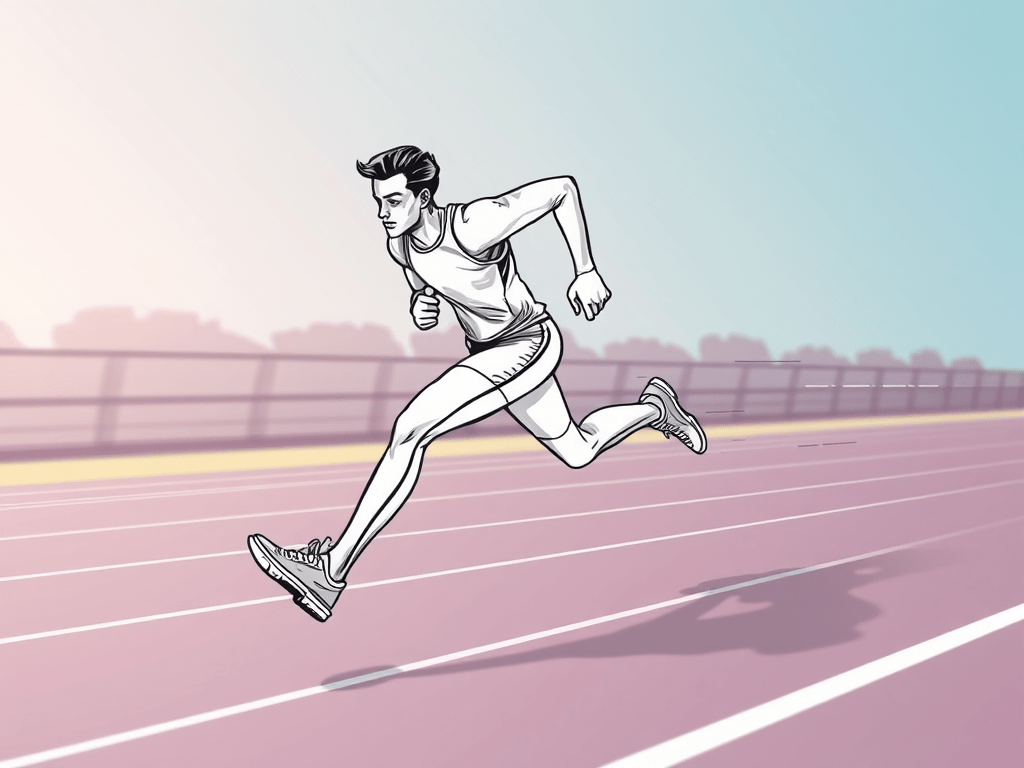
When people think of endurance sports, they often focus on sustained effort and pacing rather than outright speed. However, speed plays a crucial role in endurance performance. Whether you’re a runner, cyclist, or swimmer, improving your top-end speed can enhance efficiency, boost finishing kicks, and contribute to overall athleticism.
Why Speed Isn’t Just for Sprinters
Many endurance athletes believe that speed work is only relevant for short-distance specialists. However, developing top-end speed can benefit all endurance athletes in multiple ways:
- Efficiency Gains: The ability to move fast recruits fast-twitch muscle fibers and improves neuromuscular coordination, making slower efforts feel easier.
- Stronger Finishing Kick: Whether it’s the final stretch of a race or a surge to break away from competitors, speed work prepares your body for high-intensity efforts.
- Injury Prevention: Speed training strengthens muscles and connective tissues, reducing the likelihood of injury when transitioning between paces.
- Better Running Economy: Improving maximum velocity refines your mechanics, making you more efficient at all speeds.
How a Higher Max Speed Improves Endurance Performance
Speed isn’t just about how fast you can sprint—it also influences your ability to maintain a strong pace over long distances. A higher max speed raises the ceiling for your overall performance. For example, if your maximum sprinting pace improves, your half-marathon race pace will feel comparatively easier.
By incorporating speed-focused training, endurance athletes can develop:
- Greater force production in each stride or pedal stroke.
- Improved muscle recruitment, leading to more power at submaximal efforts.
- A better ability to clear lactate, delaying fatigue.
Key Speed Assessments
To gauge your top-end speed, try these sport-specific tests:
1. Flying 30m Sprint Test (For Runners)
This test measures your maximum velocity over a short sprint, helping assess stride efficiency and acceleration.
How to perform the test:
- Find a flat, measured 30m stretch on a track or road.
- Take a running start from 20m out to hit full speed as you enter the 30m zone.
- Time yourself from the start of the 30m section to the finish.
- Compare your time to benchmarks or previous attempts.
Improvement Tip: Add short sprints (20-50m) and hill sprints to your training to enhance top-end speed.
2. Max Power Sprint Test (For Cyclists)
Cyclists rely on peak power output for surges, breakaways, and handling varying race dynamics. This test helps determine your top-end sprinting ability.
How to perform the test:
- Warm up thoroughly with 10-15 minutes of easy pedaling.
- Choose a flat or slightly uphill section of road or a controlled indoor trainer setting.
- Sprint at maximum effort for 10-15 seconds while tracking power output (if available) or peak speed.
- Record your highest power number or top speed during the sprint.
Improvement Tip: Include explosive sprint drills and strength training (e.g., deadlifts, squats) to boost power output.
3. 100m Time Trial (For Swimmers)
Speed matters in open-water and triathlon swimming, helping athletes break from packs and navigate race situations efficiently.
How to perform the test:
- Warm up with a steady swim and some short accelerations.
- Time yourself for an all-out 100m swim in a pool.
- Compare to previous times or race splits.
Improvement Tip: Use interval training with sprint sets (e.g., 6x50m all-out) to improve high-end swimming speed.
How to Improve Speed Within an Endurance Training Plan
Balancing endurance and speed training requires careful planning. Here’s how to integrate speed work effectively:
- Incorporate Short Sprint Sessions: Add strides (4-6×20-second accelerations) after easy runs or rides to maintain neuromuscular sharpness.
- Use High-Intensity Intervals: Include VO2 max workouts (e.g., 4×3 minutes at 90-95% max effort) to train both endurance and speed.
- Prioritize Strength Training: Squats, lunges, and plyometrics enhance force production, contributing to better speed development.
- Focus on Form: Speed drills like high knees, bounding, and arm mechanics drills improve sprint efficiency.
- Allow for Recovery: Speed training is high-stress—ensure proper recovery to prevent burnout and injuries.
📌 Action Step: Perform a Max Speed Test and Set a Future Goal
Choose one of the speed tests outlined above, perform it under controlled conditions, and record your results. Set a goal to improve your speed over the next training cycle by incorporating targeted workouts.
By developing top-end speed, endurance athletes can boost efficiency, sharpen their race-day edge, and unlock new performance levels. Let’s get faster together!
Discover more from ABC Endurance
Subscribe to get the latest posts sent to your email.
