
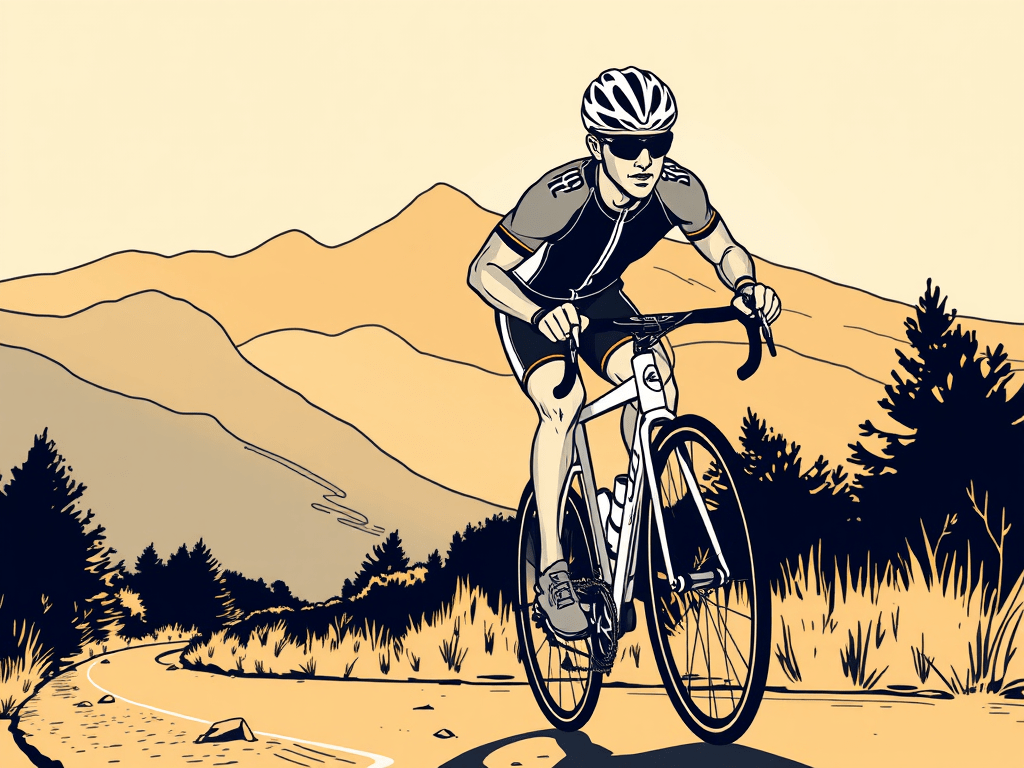
Endurance is about sustaining effort over time, and it can be tested.
Endurance is the foundation of every long-distance athlete’s success. Whether you’re a marathoner, cyclist, triathlete, or ultra-runner, your ability to maintain effort over extended periods defines your performance. But endurance isn’t just about going long—it’s about sustaining intensity without fading, managing fatigue, and optimizing efficiency.
What Does Endurance Really Mean?
Endurance is your capacity to sustain prolonged effort while maintaining efficiency and resisting fatigue. It relies on aerobic fitness, muscular resilience, and mental strength. High endurance athletes can hold a steady pace, recover quickly, and sustain performance over hours without significant drop-off.
Key factors influencing endurance include:
- Aerobic Efficiency: How well your body uses oxygen to produce energy.
- Muscular Endurance: The ability of muscles to sustain repeated contractions over time.
- Fatigue Resistance: How well you maintain output before exhaustion sets in.
- Recovery Rate: How quickly your heart rate and energy systems bounce back post-effort.
To truly understand your endurance capacity, it’s essential to test and track progress over time. Below are three key endurance assessments to help you measure where you stand and identify areas for improvement.
Key Endurance Assessments
1. Time-to-Fatigue Test (85% Effort)
Purpose: Measures how long you can sustain a hard, but controlled, effort before fatigue forces you to slow down.
How to Test:
- Choose a modality: run, bike, row, or swim.
- Warm up for 10-15 minutes.
- Maintain a steady effort at 85% of your max intensity (approximately threshold effort) until exhaustion.
- Record the total time before your pace significantly drops or you must stop.
What It Tells You:
- If you fatigue quickly (<20 minutes), your endurance base may need improvement.
- If you hold for 30+ minutes, you likely have a solid endurance foundation.
How to Improve:
- Extend your threshold training efforts (tempo runs, sustained rides).
- Improve your aerobic base with more low-intensity mileage.
2. Long-Run or Cycling Endurance Test (HR Drift Analysis)
Purpose: Evaluates how well you maintain efficiency during prolonged steady-state efforts.
How to Test:
- Perform a long run or bike ride at an easy, steady pace for 60-90 minutes.
- Keep your heart rate in Zone 2 (aerobic zone, around 60-70% of max HR).
- Track heart rate drift: compare HR in the first half vs. HR in the second half at the same pace.
What It Tells You:
- If your heart rate rises more than 5%, it suggests aerobic inefficiency and a need for more endurance base work.
- Minimal drift (<3%) indicates strong endurance efficiency.
How to Improve:
- Increase weekly Zone 2 training volume.
- Focus on long, steady endurance sessions.
3. Heart Rate Recovery Test (HRR Test)
Purpose: Measures how efficiently your cardiovascular system recovers from hard efforts.
How to Test:
- Perform a short, intense effort (such as a 3-minute hard run or 5-minute bike effort at near-max effort).
- The moment you stop, record your heart rate.
- Measure how much your heart rate drops in 60 seconds.
What It Tells You:
- A drop of >30 beats per minute (bpm) indicates good recovery.
- A drop of <20 bpm suggests slower recovery and potential aerobic weakness.
How to Improve:
- Incorporate more low-intensity endurance work to improve overall aerobic capacity.
- Add short, high-intensity intervals to boost cardiovascular efficiency.
How to Use These Results to Improve Training
Endurance tests aren’t just one-off challenges—they provide valuable insights to shape your training. Here’s how:
- If your Time-to-Fatigue test is short, add more tempo and sustained threshold work.
- If your HR Drift is high, focus on building a stronger aerobic base with easy mileage.
- If your HR Recovery is slow, incorporate both low-intensity and high-intensity interval training to improve heart rate variability and efficiency.
📌 Action Step: Perform One Endurance Test
Pick one of the tests above, complete it, and analyze your results. Use the findings to adjust your training approach and improve your endurance over time.
Weekend Challenge: Long-Distance Check-In: Plan a long ride or run and track your heart rate drift. Compare your efficiency from start to finish and note any improvements from previous sessions.
Building endurance is a long-term process, but with consistent testing and training, you’ll develop the staying power to go farther and perform stronger in your endurance sport.
Discover more from ABC Endurance
Subscribe to get the latest posts sent to your email.
