
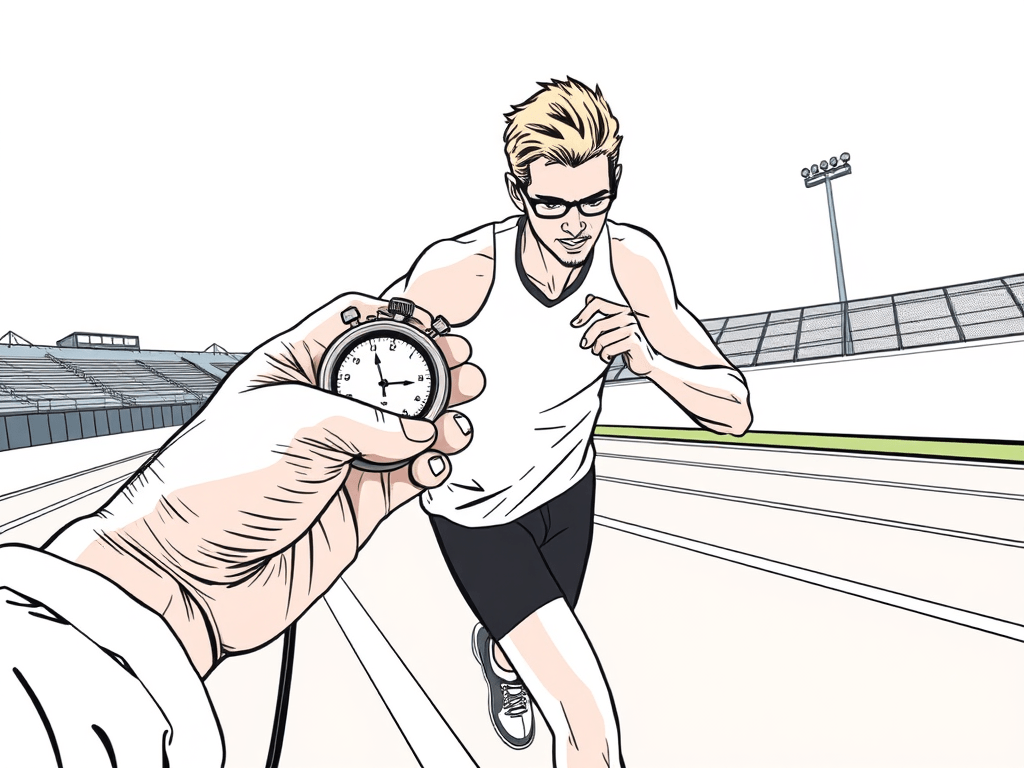
When you think of endurance fitness, your mind probably jumps straight to stamina—the ability to keep going for miles on end. While endurance is certainly a cornerstone of success, it’s not the only factor that determines how well you perform. In reality, endurance athletes need a well-rounded fitness foundation that includes power, quickness, endurance, and speed. Each of these elements plays a crucial role in how you move, perform, and improve over time.
As we dive into this week’s theme of assessing your fitness, today’s post will introduce the four key pillars that make up endurance fitness. Throughout the rest of the week, we’ll explore specific ways to test and improve each one. But first, let’s break down why a broader definition of fitness is essential for endurance athletes.
Why Endurance Athletes Need a Broad Definition of Fitness
Endurance sports—whether it’s running, cycling, swimming, or multisport—are often associated with aerobic capacity. While a strong aerobic engine is key, limiting fitness to endurance alone can leave you with gaps in performance.
Consider these scenarios:
- A marathon runner who lacks power may struggle on hills or when making a final surge in a race.
- A cyclist with poor quickness may struggle to respond to attacks in a race or handle technical turns efficiently.
- A triathlete with low top-end speed may find it difficult to transition between paces or execute a strong finishing kick.
Building a more complete endurance athlete means developing all four components of fitness, ensuring you can perform optimally in any situation.
The Four Pillars of Endurance Fitness
1. Power – The Strength Behind Endurance
Power isn’t just about lifting heavy weights—it’s about the ability to produce force efficiently. For endurance athletes, power translates to:
- Stronger pedal strokes for cyclists
- Efficient hill climbing for runners
- Explosive swim strokes for triathletes
Power training doesn’t mean bulking up; it means improving your ability to generate force relative to your body weight. Strength training, plyometrics, and specific sprint efforts can all help develop power.
How Power Helps:
- Enhances fatigue resistance, especially on hilly terrain
- Helps maintain form and efficiency during long efforts
- Improves injury resilience by strengthening muscles and connective tissues
2. Quickness – Reacting and Moving with Efficiency
Quickness isn’t just for sprinters or team sports—it’s an essential skill for endurance athletes too. Quickness refers to the ability to react, change direction, and move efficiently.
For runners, quickness means fast ground contact times and efficient cadence. For cyclists, it means responding to surges in a race. For swimmers, it means having the ability to accelerate off turns.
How Quickness Helps:
- Improves efficiency and reduces energy waste
- Enhances agility for technical race courses or transitions in triathlons
- Helps avoid injuries by improving neuromuscular coordination
3. Endurance – The Ability to Keep Going
This is the aspect most people associate with endurance sports. Endurance is your capacity to sustain prolonged efforts over time without breaking down. It’s built through aerobic training, long runs or rides, and steady-state efforts.
Endurance training improves your body’s ability to utilize oxygen, burn fat for fuel, and sustain prolonged physical activity with minimal fatigue.
How Endurance Helps:
- Increases your ability to sustain race pace for longer durations
- Enhances aerobic efficiency, reducing perceived effort
- Improves overall cardiovascular health
4. Speed – Your Top-End Capability
Even for endurance athletes, having some speed in your toolkit is invaluable. Speed is about reaching and sustaining your fastest possible pace for a given effort. A higher speed ceiling makes race pace feel easier and allows for stronger finishes.
Speed isn’t just for 5K runners—ultramarathoners, Ironman triathletes, and even long-distance cyclists benefit from improving their top-end pace.
How Speed Helps:
- Allows for stronger race finishes
- Makes threshold efforts feel easier
- Helps improve neuromuscular coordination and running economy
How to Use Testing to Track Progress and Inform Training
Understanding the four pillars of endurance fitness is one thing—knowing how to assess them is another. Throughout the rest of this week, we’ll dive into specific fitness tests for each category. Here’s how you can prepare:
- Identify Your Strengths and Weaknesses: Are you an endurance machine but struggle with hills? Do you have great quickness but fade in long races? Assess where you currently stand.
- Track Your Baseline: Over the next four days, we’ll go over tests to measure power, quickness, endurance, and speed. Pick at least two that align with your goals.
- Set Actionable Training Goals: Once you have a baseline, you can structure your training to target weaknesses while maintaining strengths.
📌 Action Step: Choose Two Areas to Focus on This Training Cycle
To get the most out of this week, take a few minutes to reflect on your own endurance fitness. Ask yourself:
- Which of the four pillars do I already excel in?
- Where do I struggle the most in my training or races?
- What do I need to work on to reach my next performance breakthrough?
Pick two areas to focus on improving in your upcoming training cycle. This will help guide your testing and make your training more purposeful.
Looking Ahead: What’s Coming Next?
For the rest of the week, we’ll dive into how to assess and improve each area of endurance fitness:
- Day 2: Power – How to test and build strength for endurance.
- Day 3: Quickness – Why agility and reaction time matter.
- Day 4: Endurance – The key tests to measure your staying power.
- Day 5: Speed – How to find and improve your top-end pace.
By the end of the week, you’ll have a complete picture of your fitness and a plan to improve. Subscribe to get updates all this week as we talk through how to test each type of fitness.
Discover more from ABC Endurance
Subscribe to get the latest posts sent to your email.
