
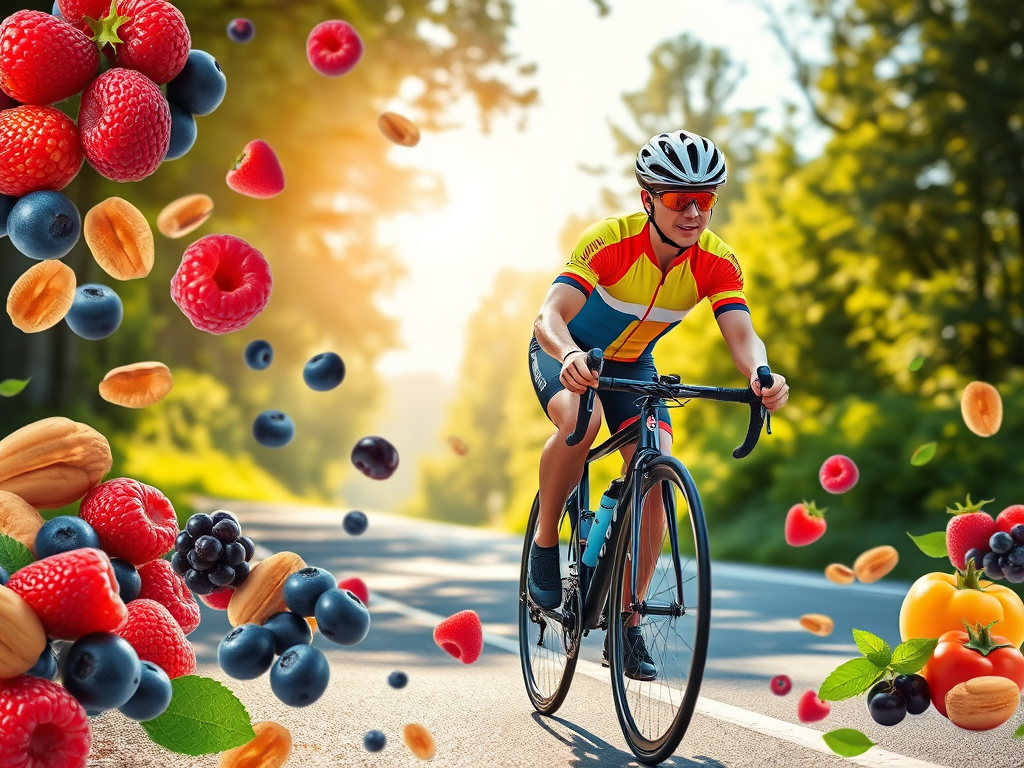
Antioxidants: Nature’s Recovery Agents
As cyclists push their bodies to the limits, oxidative stress becomes a significant factor impacting recovery. During intense exercise, the body produces reactive oxygen species (ROS), also known as free radicals. These molecules can cause damage to cells, tissues, and muscles, leading to increased inflammation and delayed recovery. Antioxidants are crucial in neutralizing these free radicals, reducing oxidative stress, and promoting faster recovery.
Key Antioxidants
Vitamins C and E: Benefits and Sources
- Vitamin C: Known for its immune-boosting properties, vitamin C also plays a vital role in reducing oxidative stress and supporting collagen production for healthy joints and tissues. Common sources include citrus fruits, strawberries, bell peppers, and broccoli.
- Vitamin E: This fat-soluble antioxidant protects cell membranes from damage and supports immune function. It can be found in nuts, seeds, spinach, and avocados.
Flavonoids and Polyphenols: Natural Sources and Effects
- Flavonoids: These plant compounds have potent antioxidant and anti-inflammatory effects. They are abundant in foods like berries, apples, onions, and dark chocolate.
- Polyphenols: Found in a variety of plant-based foods, polyphenols help reduce inflammation and oxidative stress. Good sources include green tea, red wine, and various fruits and vegetables.
Other Important Antioxidants
- Selenium: This mineral plays a critical role in antioxidant defense systems and can be found in Brazil nuts, seafood, and eggs.
- Beta-Carotene: A precursor to vitamin A, beta-carotene helps neutralize free radicals. Carrots, sweet potatoes, and leafy greens are excellent sources.
- Coenzyme Q10: An important component in energy production and antioxidant protection, CoQ10 is found in meats, fish, and whole grains.
Incorporating Antioxidants into Your Diet
Whole Foods vs. Supplements
While antioxidant supplements are available, obtaining antioxidants from whole foods is often more beneficial. Whole foods provide a complex array of nutrients that work synergistically to support health and recovery. Supplements can be useful in specific cases, but they should not replace a balanced diet rich in antioxidant-rich foods.
Example Meals Rich in Antioxidants
- Breakfast: Smoothie with spinach, berries, banana, and a handful of nuts.
- Lunch: Quinoa salad with mixed vegetables, chickpeas, and a citrus dressing.
- Dinner: Grilled salmon with sweet potato and a side of steamed broccoli.
- Snacks: Apple slices with almond butter, or a small piece of dark chocolate.
Timing and Dosage
Optimal Timing for Antioxidant Intake
Timing your antioxidant intake can enhance their effectiveness. Consuming antioxidant-rich foods before and after workouts can help manage oxidative stress and promote recovery. For example, having a fruit smoothie pre-ride and a balanced meal with vegetables post-ride ensures a steady supply of antioxidants.
Recommended Daily Dosages and Safety Considerations
While specific needs vary, general recommendations for antioxidants include:
- Vitamin C: 65-90 mg per day, with an upper limit of 2,000 mg.
- Vitamin E: 15 mg per day, with an upper limit of 1,000 mg.
- Selenium: 55 micrograms per day, with an upper limit of 400 micrograms.
Always consider potential interactions with other nutrients and medications, and consult with a healthcare professional before starting any new supplement regimen.
Potential Drawbacks
Over-Supplementation Risks
While antioxidants are beneficial, over-supplementation can have adverse effects. High doses of antioxidant supplements may interfere with the body’s natural defense mechanisms and potentially negate the benefits of exercise-induced oxidative stress adaptation.
Interaction with Other Nutrients and Medications
Antioxidants can interact with various medications and nutrients. For example, high doses of vitamin E can interfere with blood-thinning medications. It’s essential to balance your intake and be aware of any potential interactions.
Recover Better with Antioxidants
Incorporating a variety of antioxidant-rich foods into your diet can significantly enhance your recovery as a cyclist. By reducing oxidative stress and inflammation, antioxidants help promote faster muscle repair and overall recovery. Remember, balance is key—focus on whole foods and be mindful of supplementation to avoid any potential drawbacks.
Including antioxidants in your nutrition plan is a natural way to support your body’s recovery processes and improve performance. Experiment with different foods and timing strategies to find what works best for you.
For personalized guidance with your endurance sport goals, reach out to Bryan Coward at brycoward@gmail.com for expert advice and support. Happy riding and recovering! 🚴♂️🚴♀️
Discover more from ABC Endurance
Subscribe to get the latest posts sent to your email.
