
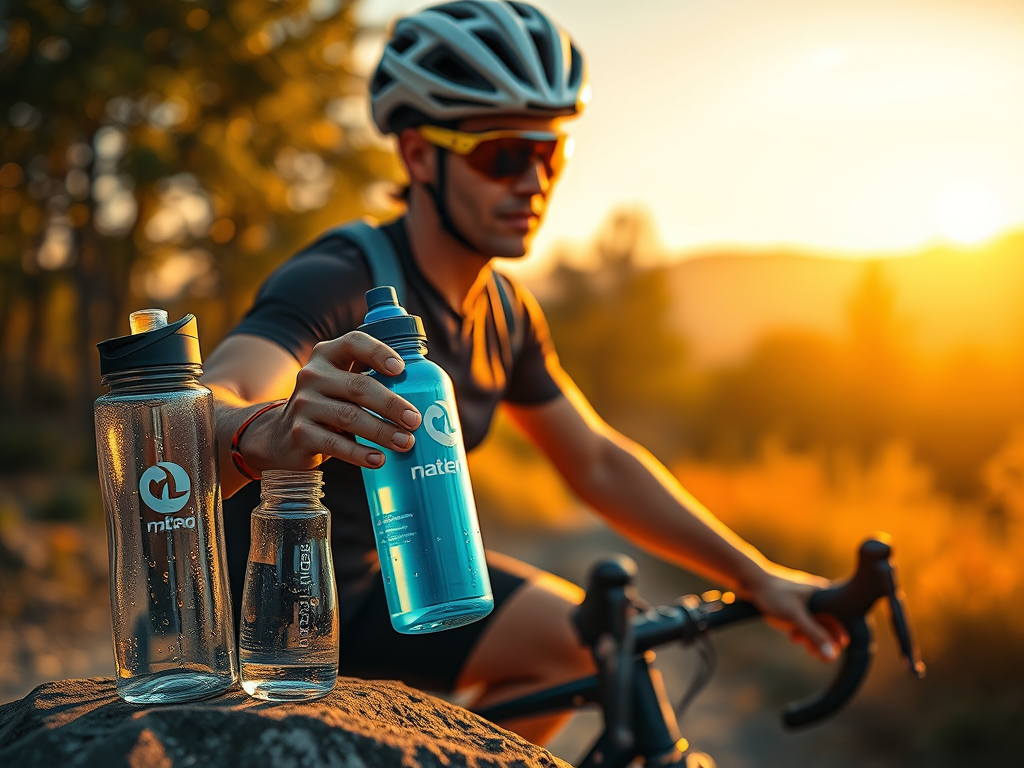
Maintaining proper hydration is crucial for cyclists, as it directly impacts performance, endurance, and overall health. Choosing the right hydration system can make a significant difference in how effectively you stay hydrated during your rides. Here’s a detailed look at the various options available, their advantages and disadvantages, and how to choose the best one for your needs.
Choosing Your Hydration System
Hydration is key to maintaining aerobic output. When you get dehydrated, your blood literally thickens, making it move more slowly, and requiring your heart to work harder. Staying hydrated helps maintain optimal body temperature, prevents dehydration, and supports sustained energy levels during long rides.
When it comes to maintaining hydration, it pays to look at what the best in your discipline are doing, and copy it. Water bottles mounted to frame cages are the most common approach, but there are cases where you may want to consider a hydration pack or system.
Bottles vs. Hydration Packs
Convenience and Accessibility
- Traditional Water Bottles: Easily accessible and can be quickly grabbed and returned to the bottle cage while riding. Ideal for road cyclists who prefer minimal gear. Bottles are frequently allowed to be changed out during a race, offering considerable weight savings for the same amount of fluid capacity
- Hydration Packs: Offer hands-free drinking through a hose and bite valve, making them convenient for mountain biking or long-distance rides where stopping frequently isn’t practical. These can also help you maintain an aerobic position while riding, in the case of triathlon bikes
Capacity and Weight Considerations
- Traditional Water Bottles: Typically hold 500-750ml of liquid. Multiple bottles can be carried on the bike, but they need frequent refilling on longer rides. Consider these camelbak podium bottles, as an example.
- Hydration Packs: Can hold up to 3 liters of liquid, reducing the need for frequent stops to refill. However, they add weight to the rider’s back, which can affect comfort and balance. An alternative may be available for certain time trial bikes, with frame mounted or aerobar mounted water.
Recommendations Based on Different Cycling Scenarios
- Road Cycling: Traditional water bottles are typically sufficient. Consider carrying two bottles for longer rides, and for races, check ahead to see if you have the benefit of a bottle or feed station. Riding with a single bottle is more aerodynamic and lower weight.
- Triathlon: Integrated aero bottles offer the best balance between hydration and aerodynamics.
- Mountain Biking: Hydration packs provide the capacity and convenience needed for challenging trails.
Finding Your Perfect Hydration System
Choosing the right hydration system is essential for maintaining performance and comfort on your rides. Experiment with different options to find what works best for your specific needs and cycling style. Whether you prefer the simplicity of traditional water bottles or the high capacity of hydration packs, there’s a solution out there for every cyclist. Stay hydrated and ride on! 🚴♂️🚴♀️
Discover more from ABC Endurance
Subscribe to get the latest posts sent to your email.
