
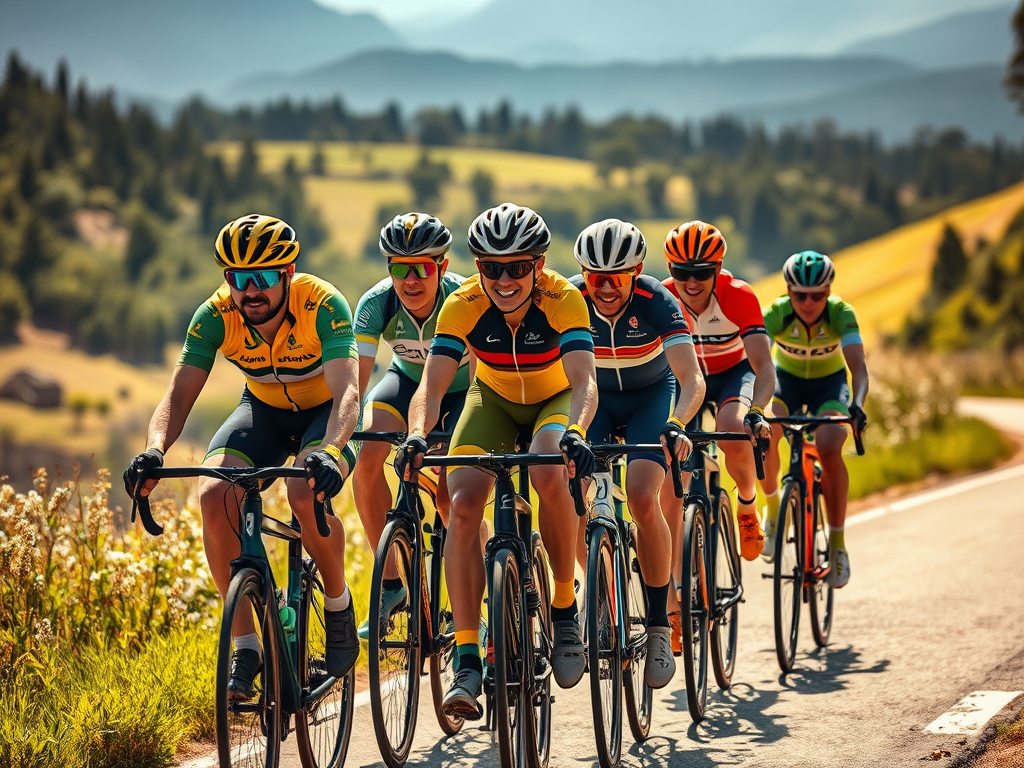
Group rides offer cyclists a unique blend of physical challenge and camaraderie, making them a valuable addition to any endurance training plan. Riding with a group not only provides a structured and motivating environment but also allows cyclists to push their limits and learn valuable skills. Whether you’re a seasoned cyclist or a newcomer to endurance sports, joining group rides can enhance your performance and make training more enjoyable.
In this post, we’ll explore the main benefits of group rides for building endurance, including how they help with stamina, consistency, motivation, and technique.
Building Stamina and Consistency
One of the primary benefits of group rides is their ability to help cyclists develop endurance by encouraging longer and more consistent rides. When riding alone, it can be tempting to cut a session short or struggle with pacing, but group rides often follow a set route and have a predetermined distance that encourages everyone to keep up and maintain a steady pace.
- Maintained Pace: Group rides typically aim for a moderate, sustainable pace that helps build an aerobic base—an essential component of endurance training. Riding at a consistent pace in a group allows your body to adapt to prolonged exertion, which is key for building stamina over time.
- Reduced Mental Fatigue: The collective energy of a group can reduce the mental effort required for a long ride. When everyone is working toward the same goal, it becomes easier to stay focused and push through moments of fatigue. This shared focus helps cyclists stay committed and consistent in their training.
- Structured Progression: Many group rides have levels based on fitness and experience, allowing cyclists to progress from shorter, slower rides to longer and faster sessions as their endurance improves. This gradual progression helps avoid burnout and ensures that each session builds on the previous one.
Learning from Others
Group rides are not just about covering distance; they’re also about learning and honing techniques that can improve your efficiency and overall performance as a cyclist.
- Drafting Techniques: One of the key advantages of group riding is learning how to draft. Drafting—riding closely behind another cyclist to reduce wind resistance—allows you to save energy and ride more efficiently. Learning to draft properly not only makes longer rides easier but also teaches valuable positioning skills that are useful in races and solo rides alike.
- Pacing and Tempo Control: In a group, it’s easier to maintain a steady pace, as you can follow the lead of more experienced riders who know how to regulate their speed. This teaches pacing discipline, which is especially important for endurance rides where going too hard too early can lead to burnout.
- Group Riding Etiquette: Group rides are a great opportunity to learn the etiquette and communication skills essential for safe and enjoyable cycling in a pack. From signaling turns to alerting others of obstacles, group riding demands a high level of coordination. These skills not only keep you safe but also enhance your confidence when riding with others.
Social Motivation
The social aspect of group rides provides motivation that solo training often lacks. Whether you’re cycling with friends, teammates, or fellow club members, the social dynamics of a group can make training feel less like a chore and more like a shared adventure.
- Boosting Morale: Riding with others creates a positive environment where cyclists support and encourage each other. During tough moments, having someone by your side can make a big difference in helping you push through. Studies in sports psychology have shown that social support can increase resilience and motivation, making it easier to stay consistent with training.
- Accountability: Group rides add an element of accountability. When you know others are counting on you to show up, it can be a powerful motivator to stick to your training plan. This accountability makes it easier to stay committed, especially during off-seasons or in less-than-ideal weather.
- Healthy Competition: Group rides often inspire a friendly level of competition, which can push you to go harder and test your limits in a way that solo training may not. This competitive spirit encourages you to challenge yourself, building mental toughness and helping you reach new performance benchmarks.
Balance of Solo and Group Rides
While group rides offer many advantages, solo training is also crucial for endurance athletes, allowing for focused, individualized workouts. Balancing group and solo rides ensures a well-rounded training approach that includes both skill development and personal progress.
- Focused Training: Solo rides allow you to work on specific aspects of your training, such as hill repeats, time trials, or intervals, without the distraction of a group dynamic. This individualized focus is important for targeting areas of improvement and meeting personal goals.
- Mental Endurance: Riding solo helps build mental resilience by challenging you to maintain motivation and focus without external support. Balancing solo and group rides allows you to train both your physical and mental endurance, preparing you for a wide range of cycling conditions and events.
- Incorporating Group Rides into Your Training Plan: A coach can help you integrate group rides strategically into your training plan. By balancing group sessions with solo workouts, you can ensure you’re developing all aspects of your endurance and cycling skills in a structured, progressive way.
Group rides are a powerful tool for building endurance, motivation, and technique in cycling. The camaraderie, structure, and learning opportunities they provide make them an essential component of a balanced training program. By combining group rides with focused solo sessions, you can optimize your performance, build stamina, and enjoy the journey.
If you’re looking to make the most of your training and want to incorporate group rides effectively, consider working with a coach. An experienced coach can provide guidance on when to join group rides, how to balance them with solo sessions, and how to set and achieve your performance goals. For more information on how a coach can help you elevate your cycling, feel free to reach out to brycoward@gmail.com to start your personalized training journey.
Discover more from ABC Endurance
Subscribe to get the latest posts sent to your email.
