
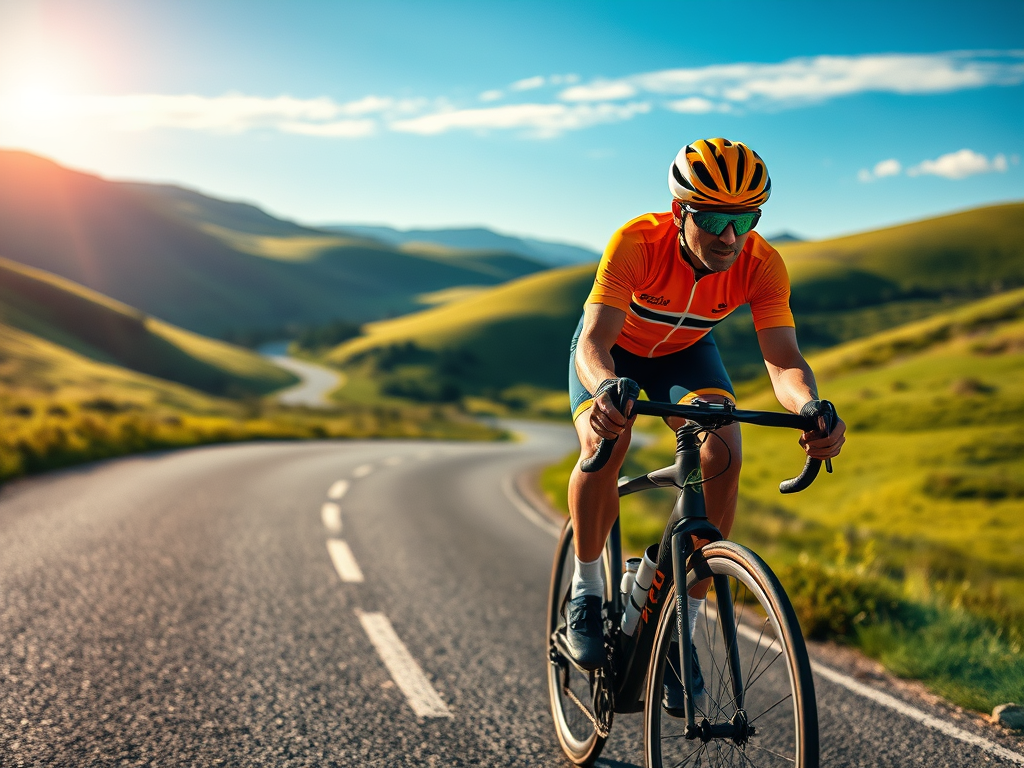
A century ride—a 100-mile cycling journey—is a popular and challenging goal for cyclists of all levels. It’s a true test of endurance, requiring not only physical stamina but also mental resilience, proper fueling, and effective planning. Whether you’re aiming to complete your first century or improve your time on a familiar route, following a structured approach to training will help you tackle this feat with confidence.
In this post, we’ll discuss key strategies for base building, endurance riding, nutrition, hydration, mental preparation, and the value of coaching support.
Base Building and Long Rides
Building a solid endurance base is essential for a successful century ride. The goal here is to gradually increase the length and intensity of your rides to help your body adapt to the demands of long-distance cycling. Here are a few foundational strategies to consider:
- Gradual Progression: Start with shorter rides and increase your mileage by about 10-20% each week. This progression allows your muscles, joints, and cardiovascular system to build endurance without risking injury from overtraining.
- Long Ride Focus: Weekly long rides should be prioritized. These will likely form the backbone of your training. Aiming for a 3-4 hour ride once per week can help you build the stamina needed to withstand the extended duration of a century. Start with a distance you’re comfortable with, then increase it steadily.
- Consistency over Intensity: Regular, moderate-intensity rides are more beneficial than occasional high-intensity rides. Aim for a balance of long rides, easy recovery days, and steady-paced efforts to enhance endurance.
- Training Variation: While endurance is crucial, adding in hill climbs and speed intervals will increase overall strength and efficiency on the bike. By incorporating these into your training, you’ll prepare yourself for varying terrains and conditions on ride day.
Fueling and Hydration
Nutrition and hydration are key to preventing “bonking”—a sudden loss of energy due to depleted glycogen stores. Here’s how to fuel your body effectively:
- Carbohydrate-Focused Diet: Carbohydrates are the primary fuel source for endurance rides. Aim to consume carbs both in your regular diet and during rides. Foods like pasta, rice, and whole grains can help build up glycogen stores. For the ride itself, aim for easily digestible carbs like bananas, gels, and energy bars every 45 minutes to an hour.
- Hydration Strategy: Dehydration can significantly affect your endurance. A good rule of thumb is to drink small amounts regularly, rather than waiting for thirst to set in. On hot days, increase water intake and supplement with electrolytes. Electrolyte drinks can help replace minerals lost through sweat and prevent cramping.
- Practicing Your Nutrition Plan: Every cyclist’s body reacts differently to various foods and drinks. Experiment with your nutrition plan on training rides to ensure it works for you, making adjustments as needed so you’re well-prepared for the big day.
Mental Preparation
Cycling a century isn’t just about physical endurance—mental toughness plays a huge role, especially when fatigue sets in or you’re faced with difficult stretches. Here’s how to strengthen your mental game:
- Break the Ride into Segments: Instead of focusing on the entire 100 miles, break it down into smaller goals. For example, focus on the next 10 or 20 miles, or the next fueling point. Smaller goals make the ride feel more manageable and help keep your motivation high.
- Use Positive Self-Talk: The way you speak to yourself matters. Replace negative thoughts (“I’m too tired”) with positive affirmations (“I’ve trained for this, and I can do it”). Repeating encouraging phrases can help keep your energy up and your mind focused.
- Visualization Techniques: Visualize yourself completing the ride successfully. Imagine how it feels to reach each milestone, conquer each hill, and cross the finish line. Visualization can increase confidence, reduce stress, and keep your mind focused on your goal.
- Plan for Tough Moments: Mentally prepare for moments of discomfort or fatigue, especially after mile 60 or 70, where many riders begin to feel the strain. Knowing these challenges may come helps you prepare strategies to push through, whether it’s reminding yourself of your training or breaking the ride down into even smaller goals.
Tracking Your Progress
Monitoring your progress is essential to ensure that you’re on track and making improvements over time. Here are a few methods to consider:
- Use a Training Journal: Keep a log of each ride, including distance, time, and how you felt. Not only does this help you track your progress, but it also allows you to notice patterns—like days when you felt particularly strong or areas where you may need to adjust your strategy.
- Leverage Technology: Power meters, heart rate monitors, and GPS devices can provide valuable data about your performance, such as power output, heart rate, and cadence. Analyzing these metrics over time helps you understand how well you’re adapting to your training program.
- Weekly Assessments: Check in with yourself weekly. Review your training journal and adjust upcoming sessions if you’re feeling overworked or underprepared.
- Get Feedback from a Coach: A coach can analyze your progress and make adjustments to your training program based on data and your physical responses. They can provide feedback, guidance, and motivation, helping you stay on track and avoid burnout.
Conclusion
Completing a century ride is an incredible accomplishment that requires careful planning, consistent training, proper nutrition, and mental resilience. Following these strategies will help you feel prepared and confident when the big day arrives. Working with a coach can also make a significant difference, especially for those new to endurance cycling or wanting to hit a specific time goal. A coach can develop a structured plan that takes your personal goals, strengths, and limitations into account.
If you’re ready to take your century ride training to the next level and would like professional support, reach out to ABC Endurance Coaching. We’ll help you craft a personalized plan that ensures you’re physically and mentally prepared to conquer the 100 miles and achieve your best performance.
Discover more from ABC Endurance
Subscribe to get the latest posts sent to your email.
