
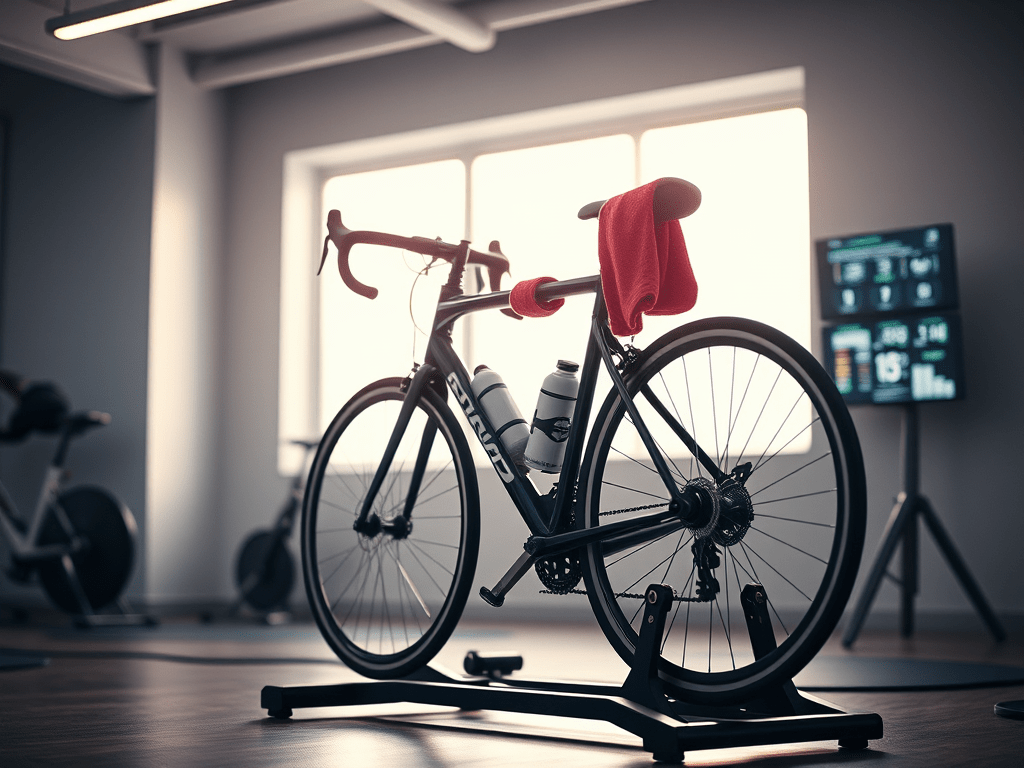
Indoor cycling is increasingly recognized as an effective training tool for endurance athletes, providing unique advantages for consistent, controlled, and measurable workouts. Whether you’re a competitive cyclist, triathlete, or recreational endurance rider, indoor cycling offers a safe and efficient way to stay in peak condition year-round. This article will explore the key benefits of indoor cycling and how it can elevate your performance.
Consistency and Control
One of the greatest advantages of indoor cycling is the consistency it provides. Unlike outdoor rides, where weather, terrain, and traffic can introduce variables that impact performance, indoor cycling allows athletes to train in a controlled environment. This consistency is particularly beneficial for endurance athletes, as it minimizes interruptions and provides stability in training conditions.
For instance, the ability to maintain a steady power output without interruptions from stoplights or changing winds can help athletes focus on hitting specific heart rate or power targets. Over time, this controlled environment can lead to more precise improvements, as each ride is structured to meet specific training goals without unplanned disruptions.
Structured Workouts for Targeted Improvements
Indoor cycling is highly compatible with structured training programs, making it easier to implement specific intervals and endurance-building sessions. Interval training, which involves short, high-intensity bursts followed by periods of lower intensity or rest, is essential for developing endurance, improving VO2 max, and increasing lactate threshold.
When performed indoors, interval training becomes more manageable and repeatable. Athletes can replicate specific workouts with precision, adjusting resistance and cadence to target different energy systems. For example:
- High-intensity intervals can be executed at precise power levels, promoting aerobic capacity.
- Tempo or threshold sessions can build endurance by maintaining a steady effort level, helping athletes to adapt to sustained exertion.
Additionally, indoor cycling allows for the implementation of personalized training metrics, such as cadence, heart rate, and power, enabling athletes to monitor their efforts closely and make informed adjustments.
Engaging Virtual Platforms
The rise of virtual training platforms like Zwift, Xert, and TrainerRoad has transformed indoor cycling into an interactive and motivating experience. Virtual environments and gamified training features make it easier to stay engaged, as athletes can join virtual group rides, race against others, or complete structured workouts alongside a global community.
- Zwift combines gaming with cycling by allowing riders to navigate virtual worlds, compete with friends, and even participate in organized events.
- TrainerRoad focuses on structured workouts and training plans, offering metrics-based feedback and customized sessions for specific goals.
- Xert adapts workouts based on real-time performance data, making it ideal for athletes who want tailored sessions that adjust to their fatigue and fitness levels.
These platforms have revolutionized indoor training, making it more accessible, enjoyable, and motivating—particularly during the off-season or when outdoor training is limited.
Improving Mental Toughness
Indoor cycling can also help athletes build mental resilience. Training indoors often lacks the natural stimulation of outdoor rides, requiring greater mental focus and discipline to complete workouts. This focus can translate into improved mental toughness, as athletes learn to concentrate on their performance metrics and push through mentally challenging sessions.
By practicing mental endurance indoors, athletes can better handle the monotony that sometimes comes with long-distance events. They can also develop strategies to manage discomfort, stay motivated, and focus on performance goals, all of which can be valuable during outdoor races or long-distance rides.
The Convenience Factor
Indoor cycling is convenient for athletes with busy schedules or limited access to outdoor training spaces. With a stationary bike or smart trainer at home, athletes can fit in workouts at any time of day, regardless of weather or traffic conditions. This flexibility is crucial for athletes managing work, family, and training commitments, as it ensures that training goals are met even when time is tight.
Moreover, indoor cycling eliminates the need to prepare for outdoor conditions, saving time on equipment checks, route planning, and packing essentials. By streamlining the process, indoor cycling helps athletes focus on training quality rather than logistical concerns.
Enhancing Your Training Plan with Indoor Cycling
Indoor cycling offers endurance athletes a consistent, structured, and engaging training environment that’s ideal for building performance year-round. Whether you’re preparing for a race or looking to maintain fitness during the winter months, incorporating indoor cycling into your routine can lead to measurable improvements in endurance, power, and mental resilience. A structured approach to indoor cycling, possibly with the guidance of a coach, can help athletes fine-tune their performance and achieve their goals.
If you’re interested in optimizing your indoor training with a personalized plan, ABC Endurance offers individual coaching tailored to help you make the most of your indoor sessions. Reach out to us at brycoward@gmail.com for more information on how we can support your cycling journey!
Discover more from ABC Endurance
Subscribe to get the latest posts sent to your email.
