
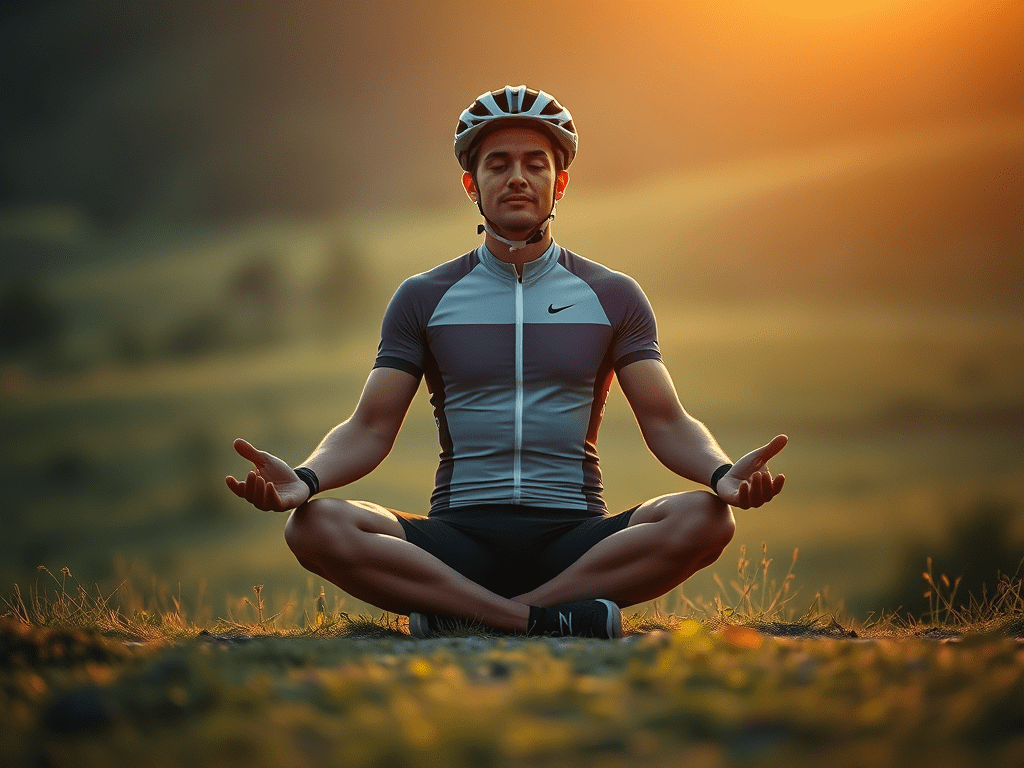
Mindfulness, the practice of being fully present and aware of our thoughts, sensations, and surroundings, has long been recognized for its mental health benefits. Recently, endurance athletes, including cyclists, have started to integrate mindfulness techniques to boost both physical and mental performance. This isn’t surprising given the demands of the sport—where concentration, resilience, and a sense of calm can mean the difference between reaching peak performance and burning out.
Mindfulness in cycling is about more than just focusing on the ride; it involves being deeply in tune with your body, paying attention to cues, managing discomfort, and maintaining mental clarity. In high-intensity or long-distance events, staying present can make rides smoother and less stressful. Cyclists who regularly incorporate mindfulness techniques report feeling better prepared to manage challenges such as fatigue, self-doubt, and race-day anxiety.
Mindful Cycling Techniques
Developing mindfulness on the bike starts with a few simple techniques that can be practiced during both training sessions and actual rides.
- Focused Breathing
Focused breathing is a fundamental mindfulness practice that can profoundly impact a cyclist’s physical and mental state. Breathing mindfully helps maintain a steady heart rate, which in turn regulates oxygen flow to muscles and prevents unnecessary stress responses. During intense intervals or climbs, focus on deep, rhythmic breathing patterns to maintain control and reduce perceived exertion. For example, try inhaling for three counts, holding for one, and exhaling for four. This approach not only promotes relaxation but also improves stamina by allowing oxygen to reach muscles more effectively. - Body Scanning and Muscle Relaxation
Tension in cycling, especially over long distances, can be a major energy drain and impact performance negatively. By regularly practicing a body scan—a technique where you mentally “check-in” with each part of your body—you can pinpoint areas where tension builds, such as shoulders, hands, or legs. Regularly relaxing these areas can help conserve energy and improve comfort on the bike. Mentally guide yourself to release any tension by slightly shaking out your shoulders, loosening your grip on the handlebars, and adjusting your posture. - Process-Oriented Thinking
In cycling, it’s easy to become fixated on goals, such as reaching a certain power output or speed. However, process-oriented thinking, where the focus is on individual movements and sensations rather than the outcome, can enhance endurance. This technique emphasizes the “how” of your ride, like maintaining consistent pedal strokes, breathing in rhythm, and keeping a steady cadence. Process-focused thinking allows cyclists to approach each moment without getting overwhelmed by the entirety of the ride. - Blocking Out Distractions
Whether it’s the changing landscape, other cyclists, or internal anxieties, distractions can throw off rhythm and mental focus. By practicing mindfulness, cyclists can train themselves to block out distractions and remain focused on the ride. Visualization—picturing a mental image of success or smooth progression—can be an effective way to regain concentration. During challenging sections, close your eyes for a brief second (when safe to do so) and visualize smooth pedaling or an ideal finish line. This builds mental fortitude to stay focused, even during high-stress moments.
Benefits of Mindfulness in Cycling
Mindfulness offers a multitude of benefits that impact both mental and physical aspects of performance. Studies have shown that mindfulness practices improve emotional regulation, reduce anxiety, and bolster resilience against stress. This mental edge is invaluable for endurance athletes who routinely face long hours, intense competition, and physical discomfort. Mindfulness can also significantly reduce perceived exertion, making rides feel less taxing than they otherwise might. The physiological and psychological benefits of mindfulness in sports performance include:
- Reduced Stress and Anxiety
Mindfulness promotes emotional regulation, which helps cyclists manage pre-competition nerves or negative thoughts during a long ride. Research has shown that athletes who practice mindfulness experience lower levels of anxiety and perform with greater consistency in competitive settings. This mental calm is invaluable when pushing limits, allowing for rational decision-making and steadier pacing even during peak exertion. - Enhanced Focus and Concentration
Mindfulness practices strengthen the ability to focus attention, leading to sharper awareness and mental clarity. A study from the Journal of Clinical Sport Psychology highlights that mindfulness training increases attentional focus, which helps athletes block out distractions and perform with greater precision. Cyclists who practice mindfulness find themselves better able to maintain cadence, adjust to terrain shifts, and avoid costly errors due to distraction. - Improved Endurance and Pain Management
By helping athletes remain present and aware, mindfulness reduces the impact of physical pain and discomfort. Cyclists often encounter muscle fatigue and discomfort, particularly in extended races or intense training sessions. Research has found that mindfulness can lower perceived exertion, enabling athletes to push through the most challenging moments by focusing on one pedal stroke at a time. - Body Awareness and Injury Prevention
Mindfulness cultivates a deeper connection with the body, making it easier to detect early signs of strain or fatigue that could lead to injury if ignored. A mindful cyclist will pick up on subtle signals, such as muscle tightness or joint discomfort, and adjust accordingly to prevent injuries. This heightened awareness fosters a more sustainable training regimen and extends the athlete’s competitive lifespan.
Recognizing the Effects of Mental Fatigue and Low Energy
During a demanding ride, both physical exertion and caloric expenditure are high. The body burns through glycogen stores, and as blood sugar levels drop, mental clarity can start to fade. Low blood sugar can trigger a state of mental fog, irritability, and confusion, making it challenging to stay focused on the ride. In this state, cyclists may experience symptoms of mental fatigue: their thoughts may become scattered, reaction times slow down, and even routine decisions feel overwhelming.
By maintaining a mindful awareness of energy levels, cyclists can better plan for calorie intake during long rides, knowing when to refuel to sustain both physical and mental performance. Recognizing the onset of mental fatigue early allows cyclists to proactively manage nutrition and hydration to stay sharp.
How to Practice Mindfulness Daily
Incorporating mindfulness into daily life can be simple and doesn’t require a drastic overhaul. Start with a short mindfulness practice off the bike, such as five minutes of focused breathing or a mental body scan, and gradually expand this to include mindfulness during training sessions. To develop a mindfulness routine for cycling, consider:
- Pre-Ride Check-In: Take a few deep breaths before setting out on a ride. Tune in to how your body feels and set an intention to stay present.
- Post-Ride Reflection: After the ride, take time to review how you felt, mentally and physically. This reflection helps reinforce mindful habits and builds awareness of what worked well.
Mindfulness provides cyclists with a valuable toolkit to enhance focus, reduce stress, and improve resilience under physical strain. Through consistent practice, mindfulness promotes a more balanced and aware approach to cycling, transforming challenges into opportunities for growth. By incorporating these techniques into training, cyclists can not only improve their performance but also foster a more fulfilling and rewarding experience on the bike.
For those interested in developing mindfulness as part of their cycling training, contact me at brycoward@gmail.com for additional resources or personalized guidance.
Discover more from ABC Endurance
Subscribe to get the latest posts sent to your email.
