
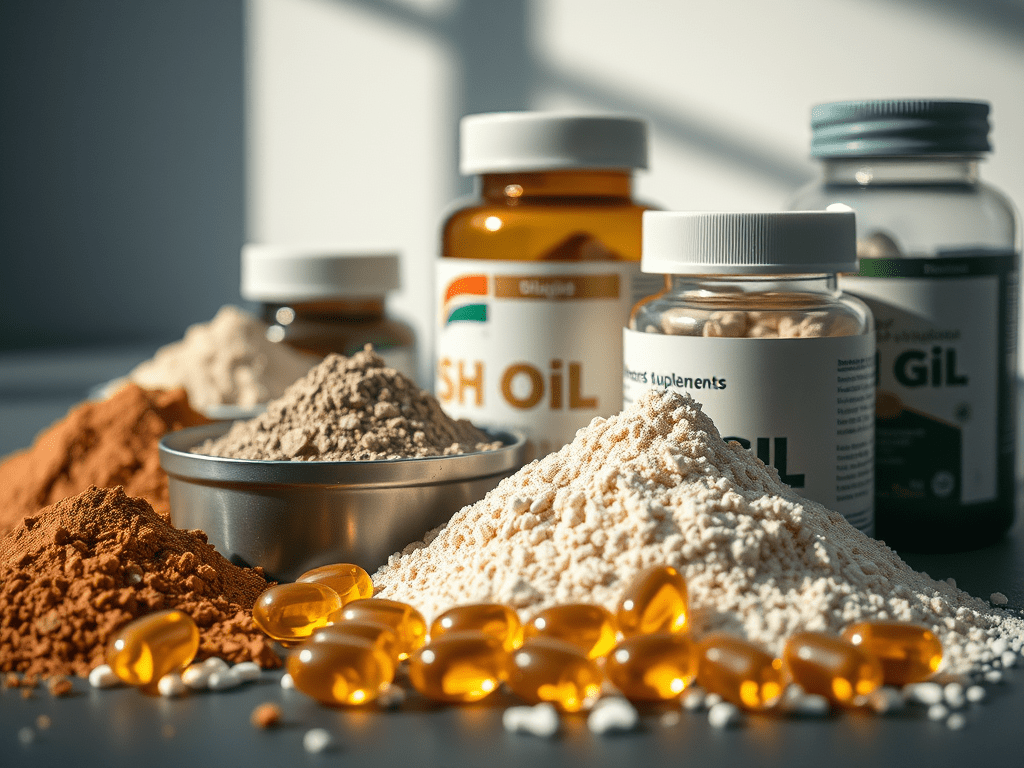
Supplements have become a hot topic in the cycling world, with athletes always searching for ways to enhance performance and recovery. From creatine to protein powders, the supplement market offers a wide array of options. But are these supplements necessary for cyclists, and which ones actually have scientific backing?
Performance-Enhancing Supplements
While there are numerous products marketed as performance boosters, only a few have substantial scientific support. Among them, caffeine, nitrates, and creatine are the most researched and backed by evidence.
- Caffeine has long been used as a performance enhancer due to its ability to increase alertness and delay fatigue. Numerous studies show its benefits in endurance sports, with research indicating that it improves time to exhaustion and overall performance . However, some individuals may experience side effects such as jitteriness or digestive discomfort, so it’s important to test personal tolerance.
- Nitrates, commonly consumed in the form of beetroot juice, help improve blood flow by increasing nitric oxide production. Research suggests nitrates can enhance endurance by reducing oxygen cost during exercise, making it easier to maintain high-intensity efforts . Side effects are minimal, although some people might experience stomach discomfort.
- Creatine is well-known for its use in strength sports, but it can also benefit cyclists, particularly in sprinting or short, high-intensity efforts. It helps in ATP regeneration, allowing muscles to contract with greater power during anaerobic efforts . While safe for most athletes, creatine may cause slight water retention.
Recovery Supplements
When it comes to recovery, some cyclists turn to protein powders, branched-chain amino acids (BCAAs), and omega-3 fatty acids to aid muscle repair and reduce inflammation.
- Protein powders can be helpful after intense training sessions to promote muscle repair, especially when whole food options aren’t readily available. While some cyclists may meet their protein needs through diet alone, research shows that supplementing protein after rides can help accelerate recovery .
- BCAAs have been popular in the fitness world for muscle recovery, but the evidence supporting their benefits is limited. Recent studies suggest that overall protein intake, rather than BCAA supplementation, is the key to muscle repair .
- Omega-3 fatty acids are well-documented for their anti-inflammatory effects. They may help reduce muscle soreness and inflammation, which is beneficial after long or intense rides .
Are Supplements Necessary?
Despite the popularity of supplements, it’s important to remember that they should not replace a balanced diet. A food-first approach is always the best strategy, ensuring cyclists meet their nutritional needs through whole foods whenever possible. Supplements can be useful in specific scenarios, such as long or intense training periods when it’s difficult to get adequate nutrients from food alone. However, relying heavily on supplements without first optimizing nutrition through diet may result in missed opportunities for better health and performance .
Conclusion
While some supplements like caffeine, nitrates, and creatine have strong evidence supporting their benefits for cycling performance, many others offer little to no additional advantage when compared to a well-rounded diet. For most cyclists, focusing on proper nutrition through whole foods should be the priority. Supplements can have their place, but only as part of a broader nutrition strategy.
Up next: a deep dive into how to manage weight while maintaining performance.
Discover more from ABC Endurance
Subscribe to get the latest posts sent to your email.
