
Carbohydrates are essential for cycling performance, acting as the primary energy source that fuels your muscles during various intensities. Whether you’re going for a high-intensity sprint or settling into a long endurance ride, carbs play a critical role in maintaining energy and performance. During aerobic activities, such as steady-paced rides, the body primarily relies on a mix of carbohydrates and fats. But as the intensity ramps up—such as during anaerobic bursts like sprints or climbs—carbs become the dominant fuel, supplying the rapid energy needed to keep you going strong.
How Carbohydrates Fuel Your Rides
When you consume carbohydrates, your body converts them into glycogen, which is stored in your muscles and liver. This glycogen is your go-to energy reserve during cycling. For short, high-intensity efforts, the body taps into glycogen stores almost immediately, allowing you to sustain your pace or power output. On longer endurance rides, your body uses a mix of glycogen and fat, but glycogen remains crucial to avoid the dreaded “bonk” or sudden fatigue. In any endurance event, keeping your glycogen stores topped up is vital to perform at your best.
Daily Carbohydrate Needs for Cyclists
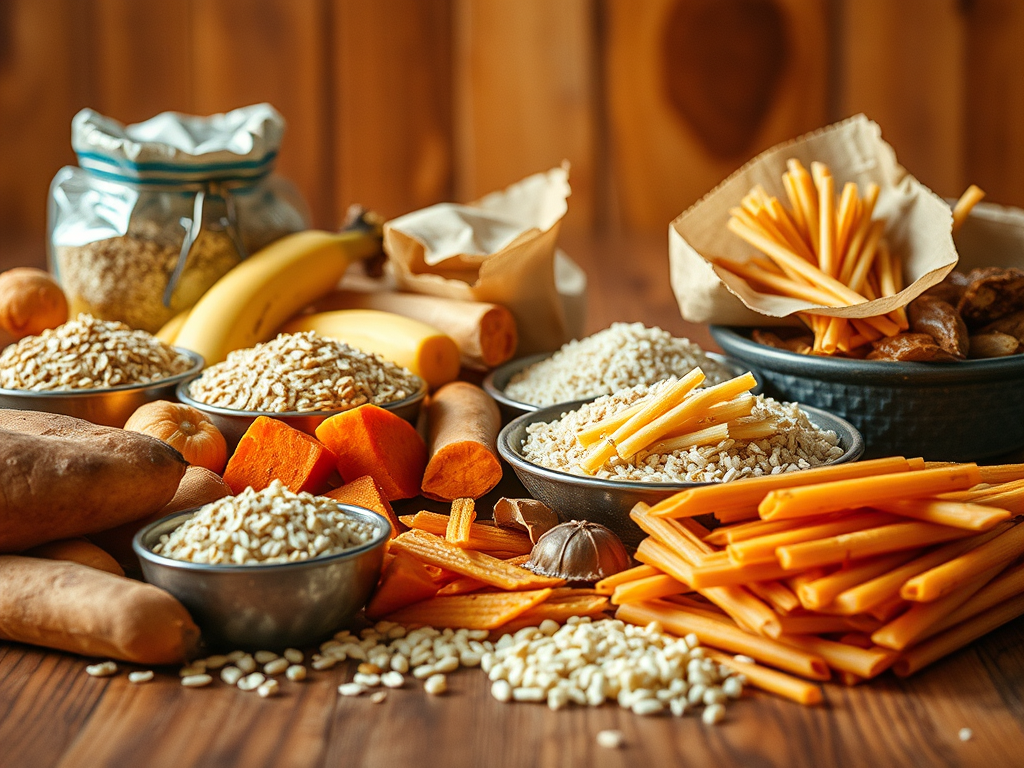
To maintain glycogen stores, cyclists need to consume an adequate amount of carbohydrates daily. If you’re engaging in moderate exercise, you may need about 3-5 grams of carbs per kilogram of body weight. For more intense or prolonged sessions, aim for 8-12 grams per kilogram. Foods like oats, sweet potatoes, rice, bananas, and whole-grain pasta are great carb sources for cyclists. Not only do they provide the necessary fuel, but they also help sustain energy over longer periods, making them ideal for training and racing.
Carbohydrate Timing
Strategic timing of carbohydrate intake can maximize their benefits. Eating complex carbs 2-4 hours before a ride helps build up glycogen stores, giving you the energy to power through your workout. For rides lasting longer than 90 minutes, consuming simple carbs like sports gels, fruits, or electrolyte drinks can help maintain energy levels. After a ride, replenishing glycogen stores with a carb-rich meal aids in recovery and prepares your muscles for future sessions.
Carbohydrates are the cornerstone of any cyclist’s nutrition strategy, providing the energy and endurance needed to perform and recover effectively. By fueling correctly, you can optimize your rides and train consistently at a higher level. If you’re interested in learning more about how to fuel your rides or if you need guidance with your nutrition and training, reach out for personalized advice at brycoward@gmail.com.
Stay tuned for our next post on protein, where we’ll discuss how it supports muscle repair and recovery for cyclists!
Discover more from ABC Endurance
Subscribe to get the latest posts sent to your email.
