
Fueling correctly before a ride is crucial for performance, yet it’s an aspect often overlooked by cyclists. Riding day in and day out, it’s easy to fall into a routine of not eating, suffering from low energy on the bike without realizing. Eating too much, too little, or at the wrong time can lead to energy crashes, stomach issues, and even impact your overall enjoyment on the bike. By understanding the optimal timing and nutrient balance for pre-ride nutrition, you can ensure a steady supply of energy and prevent common mistakes.
Timing Your Pre-Ride Meals
Ideally, you want to eat a substantial meal about 2 to 4 hours before your ride, depending on the intensity and duration. Eating within this window allows your body time to digest and convert food into readily available energy, reducing the likelihood of stomach discomfort. For shorter, high-intensity rides, a meal closer to the two-hour mark should suffice. If you’re going for a longer, endurance-based session, giving yourself a bit more time—closer to four hours—can help your body digest more complex carbohydrates and fats for sustained energy.
Eating too close to your ride can lead to an upset stomach or sluggishness as your body works to digest rather than focus on performance. Conversely, eating too far in advance can leave you feeling hungry and low on energy by the time you start pedaling.
What to Eat: The Right Balance
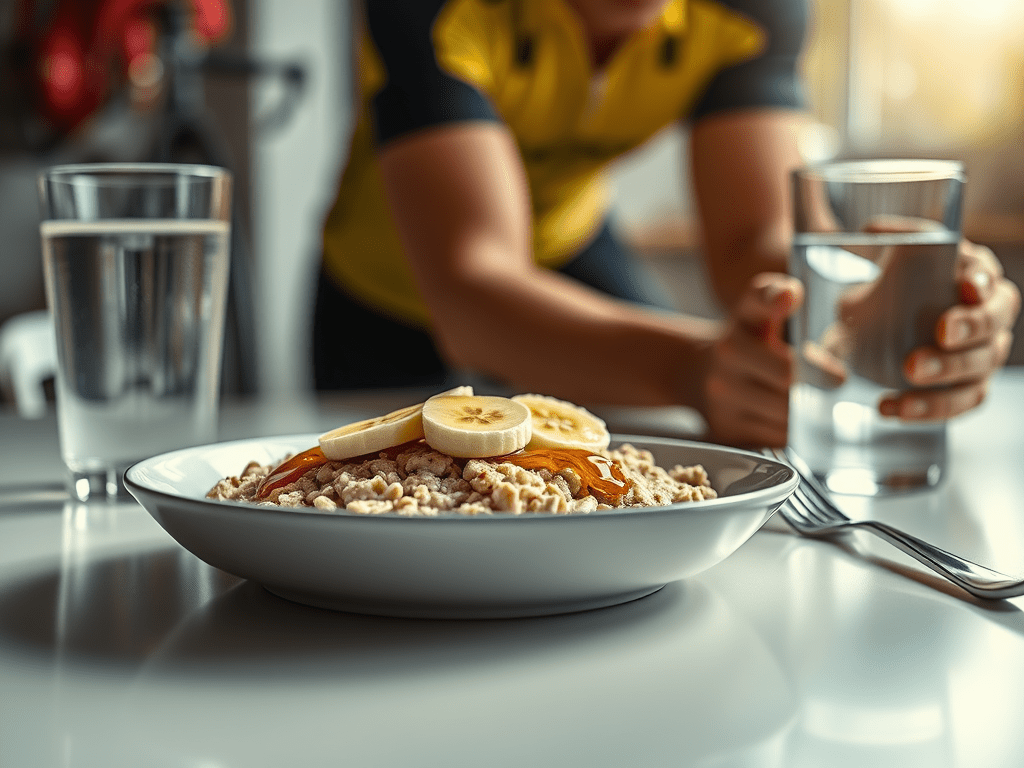
For pre-ride meals, carbohydrates are king. They are your body’s primary fuel source and provide the quick energy needed to perform well. Oatmeal topped with a banana and some honey, a whole grain bagel with a light spread of almond butter, or a bowl of brown rice with mixed berries can all offer a balanced carbohydrate load without overwhelming your digestive system.
For longer rides, incorporating a bit of fat and protein can help keep you satiated and offer a steady release of energy. A good example would be oatmeal with a spoonful of chia seeds and a few almonds, or a sweet potato with a dollop of Greek yogurt. However, go easy on the fats and proteins—they take longer to digest and can cause discomfort if consumed in large amounts right before a ride.
Certain foods are best avoided before hitting the road, especially those high in fiber, like beans or cruciferous vegetables. A fiber-heavy meal can lead to gastrointestinal distress, so saving the kale salad or lentil soup for after the ride is wise. Similarly, fat-heavy meals like fried foods or creamy sauces can be slow to digest and cause sluggishness.
Hydration Considerations Before a Ride
Proper hydration is another key factor that often gets overlooked. Make sure to drink plenty of water in the hours leading up to your ride to avoid starting out in a dehydrated state. A general rule is to aim for 16 to 20 ounces of water in the two hours before you get on the bike.
For longer rides, particularly in hot conditions, consider an electrolyte drink instead of plain water. Electrolytes like sodium, potassium, and magnesium help maintain fluid balance, improve muscle function, and prevent cramping. A simple homemade option could be water mixed with a pinch of salt, a squeeze of lemon, and a dash of honey for a natural electrolyte boost.
Taking the time to fuel up correctly with the right foods, in the right quantities, and at the right time can make all the difference in how you perform and feel on the bike. By focusing on well-timed, carbohydrate-heavy meals and avoiding problematic foods, you’ll ensure you start each ride with optimal energy. Whether you’re looking to maximize performance or simply enjoy the ride, proper nutrition is an essential part of the process. If you’re interested in personalizing your pre-ride nutrition strategy, feel free to reach out to me at brycoward@gmail.com, and I’d be happy to help you reach your endurance goals.
Discover more from ABC Endurance
Subscribe to get the latest posts sent to your email.
