

Gravel riding is huge at the moment. It seems the consistent improvement of frame compliance, stiffness and weight has really narrowed the difference between a cyclocross and road bike, and so the world of gravel capable bikes has exploded. This is a great thing; Strava and speed are enticing and enjoyable, but the consistent pursuit of speed leads to some goofy and very uncomfortable ideas. Bikes are best when they are taking you places you can’t go otherwise, and gravel bikes unlock roads which you’d otherwise leave unexplored like a cheat code. They are super fun.
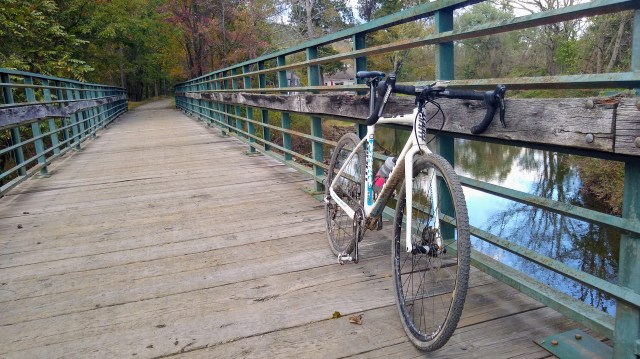
Coming from a mountain bike background, I felt at home straight away on my cross/gravel Giant TCX. I’ve logged nearly 1,000 miles on the bike since I grabbed it from the second hand market in November. It’s setup as a 1x Sram build, which has been simple and (with a few exceptions) very reliable. I did have on hiccup though, at my first really muddy cross race, which prompts this post.
There are three kinds of disc brake pads for bikes. They are:
- Sintered metal
- Semi-metal
- Organic/Resin
There are pros and cons to each, but you should know a few things before you start logging tons of miles on your new disc-equipped bike. If you don’t know these things ahead of time, you might lose braking power during your ride, which is horrifying and very dangerous. My bike came with resin pads. Resin pads are quiet, bed in quickly (the break-in period where the surfaces wear together), and have great bite. Resin pads also help direct heat away from the caliper, preventing brake fade with prolonged use. There is however a big problem with resin pads, they are too soft to use in the mud. Take a look at the red resin pads, on the left, which were just a few weeks old, and completely wore away during the first two laps of a muddy cross race!
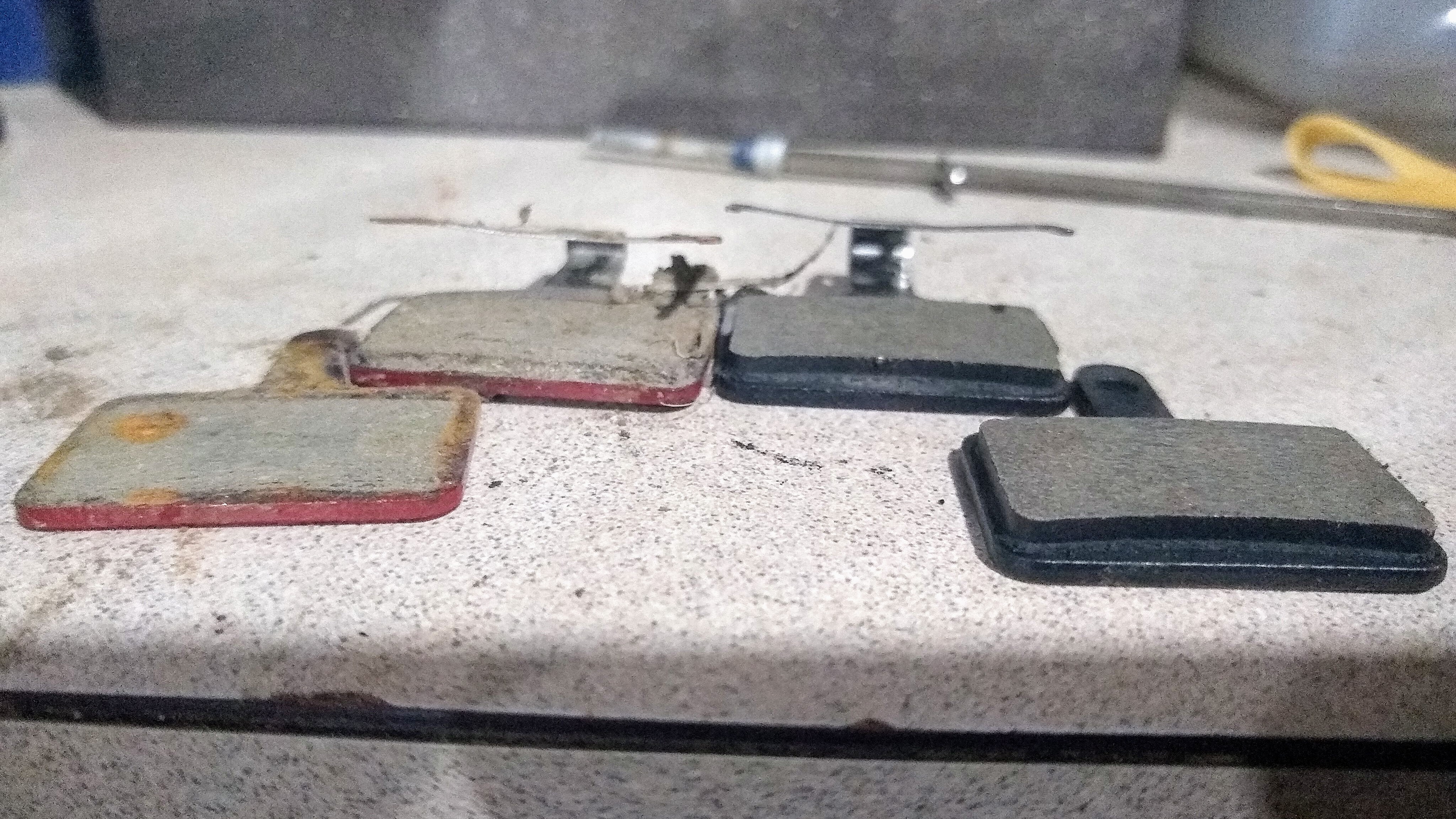
Metal pads do much better in the mud, but they do have drawbacks. Semi-metal pads have a tendency to glaze over and are harder to break in. Sintered metal pads are the hardest to break in, and tend to conduct heat back to the caliper, resulting in brake fade. But in the muck, mud acts as a lubricant and abrasive on brake disc surfaces, and resin pads are just too soft to hold up. They will wear away quickly, leaving you with no way to stop. In the mud, the pros of the metal-containing pads outweigh the additional break-in period (stopping is vital for going fast, after all). If you’re planning on using your gravel or cross bike in the muck, then get familiar with your brake pads.
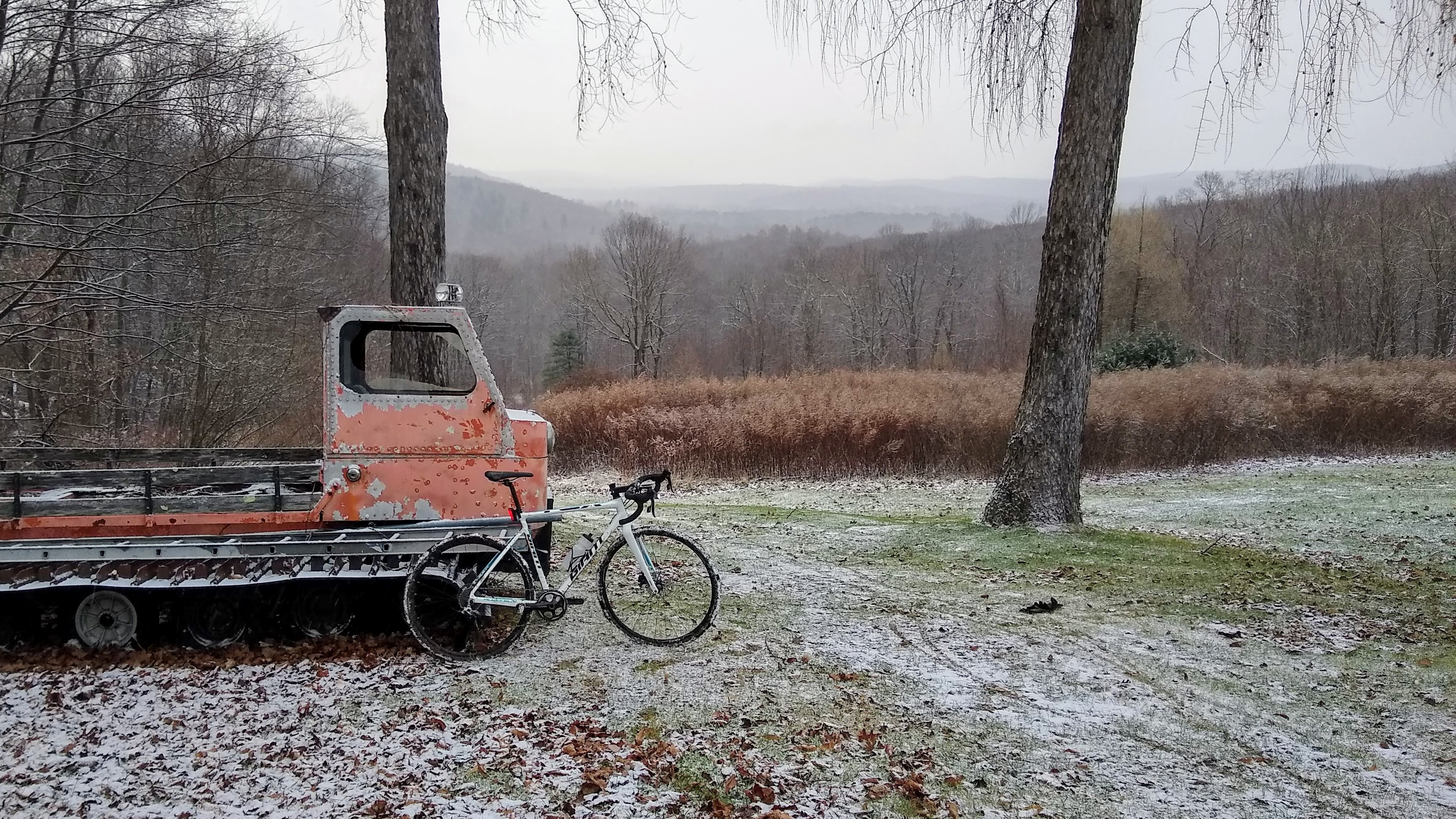
Picking the right brake pad is vital for the safe operation of your bicycle. If you’re planning to race cross, it may make sense to have a few extra pairs available to make sure you can always stop. Ride safe!
Discover more from ABC Endurance
Subscribe to get the latest posts sent to your email.

