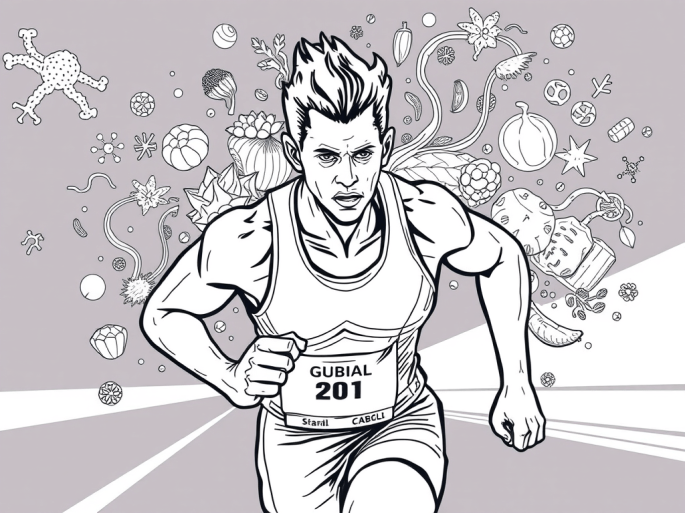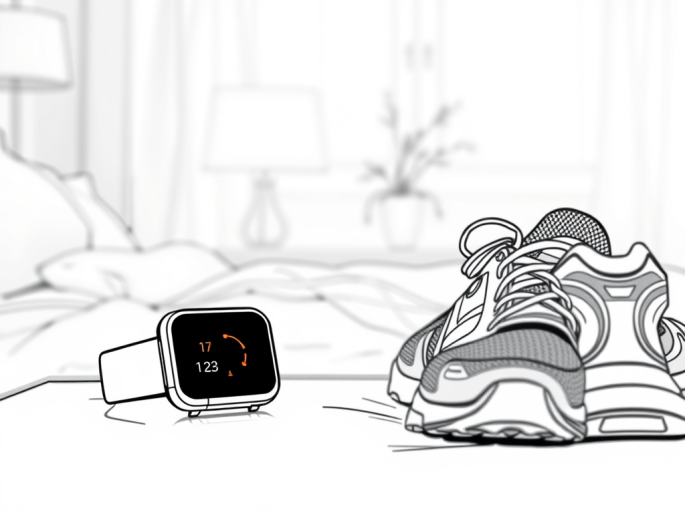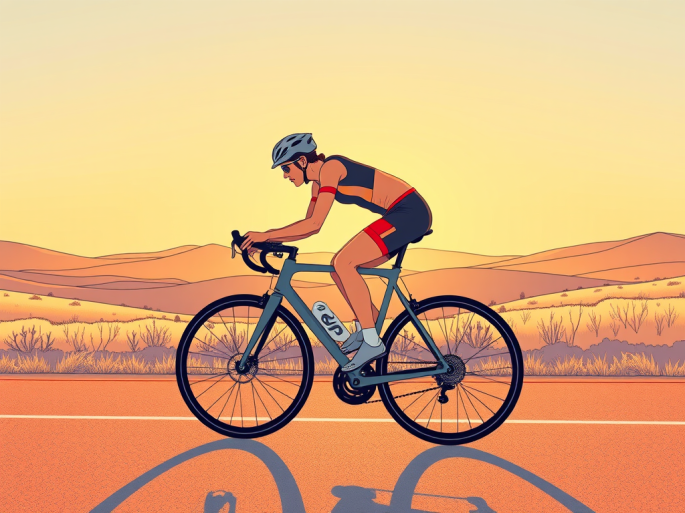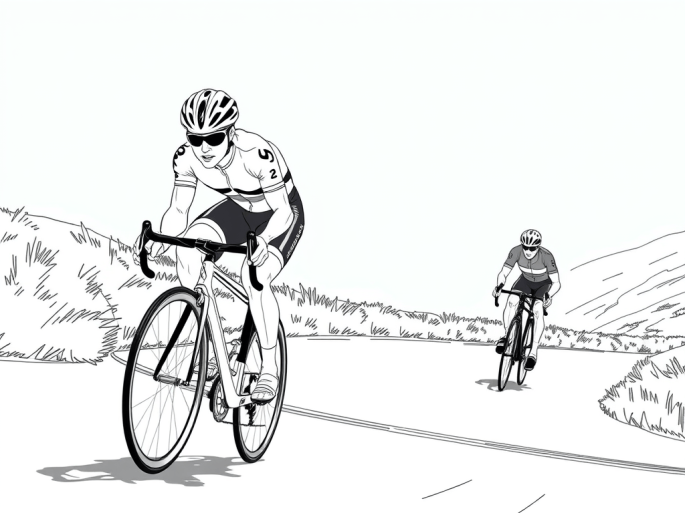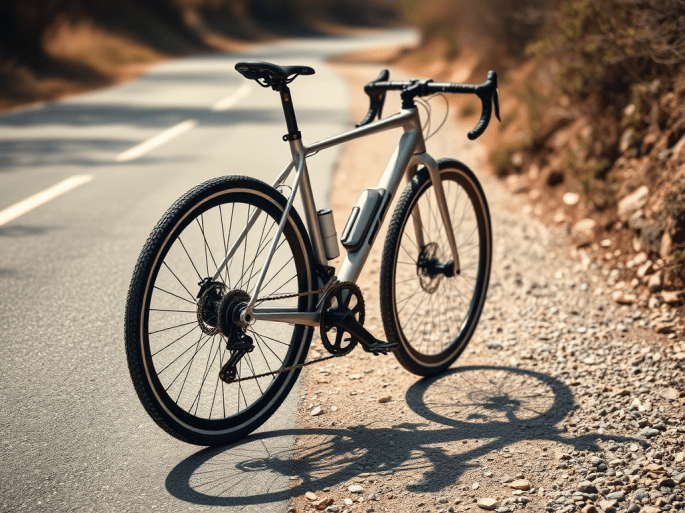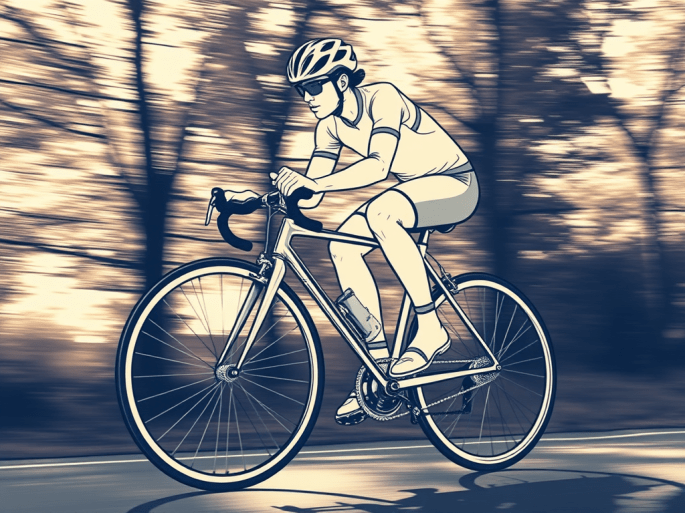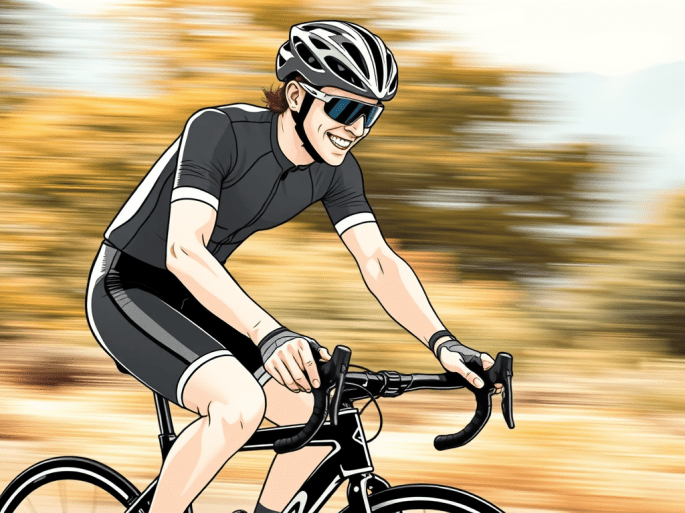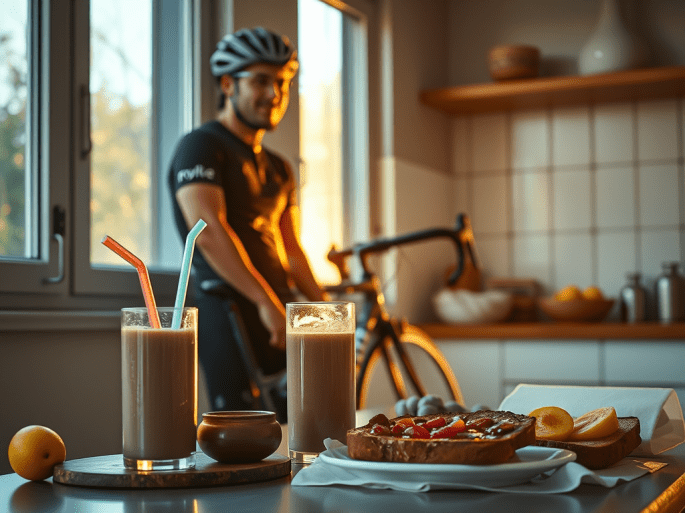
The alarm blares at 5:00 AM, and instead of the familiar sense of motivation, you feel a creeping, overwhelming sense of dread. The training shoes sit by the door like anchors, and the bike on the trainer looks less like a source of joy and more like an instrument of torture. This isn't just a … Continue reading The Inevitable Wall: How to Spot, Prevent, and Recover from Endurance Burnout
Fueling the Beast: Why Your Gut Microbiome is Your Most Important Endurance Organ
Endurance athletes must prioritize gut health to maintain performance and prevent gastrointestinal issues on race day. A diverse diet rich in whole plant foods, prebiotics, and probiotics is essential. Training the gut through practice and managing inflammation can enhance nutrient absorption and immune function, ensuring optimal endurance and resilience under physical stress.
Your Next Coach Sleeps Next to You: Decoding HRV and Sleep Tracking for Performance
The dilemma of morning training highlights the shift from traditional athlete instincts to data-driven recovery metrics like Heart Rate Variability (HRV). Emphasizing adaptive training over rigid schedules, athletes can avoid burnout by assessing recovery needs through HRV, promoting longevity and effective adaptation based on real-time body readiness signals.
The One-Hour Workout: Is It Possible to Get Faster with Less Time?
Many cyclists feel time-crunched, making lengthy rides seem unfeasible. However, High-Intensity Interval Training (HIIT) is an effective approach to enhance fitness in shorter sessions. Consistent high-intensity workouts, paired with proper recovery, can significantly improve speed and endurance, proving that cycling faster can be achieved without extensive time commitments.
The Sweet Spot Demystified: The Science Behind Your Most Effective Training Zone
Sweet spot training is an often-overlooked cycling zone that lies between endurance and high-intensity efforts, occurring at 88-94% of Functional Threshold Power (FTP). It offers maximal training benefits with less fatigue, promoting crucial physiological adaptations. Implementing this strategy, such as long intervals, builds endurance and enhances overall cycling performance sustainably.
The Art of the Overtake: A Psychological Guide to Dropping Your Opponent
The content discusses the psychological strategies behind overtaking cyclists. It emphasizes that success is not solely due to physical strength but also involves tactics like surprise attacks, breaking opponents' rhythm, and recognizing their weaknesses. An effective overtake combines timing, power, and mental warfare to demotivate competitors, ensuring they cannot keep up.
Gravel vs. Road Tires: Does Your Rubber Matter More Than Your Bike?
The modern cyclists' preference for a "quiver killer" bike highlights the importance of tires over frame when navigating mixed surfaces. Advancements in tire technology show that wider, lower-pressure tires reduce rolling resistance, providing speed on imperfect roads and gravel. Choosing the right tire can significantly enhance performance and versatility.
The Case for the Single-Gear: Why Going “Fixie” Can Make You a Stronger Rider
The sight of a fixed-gear bike on a group ride can feel a bit out of place. While everyone else is clicking through their gears, adjusting to every undulation in the road, the fixie rider is a study in stoic concentration. Their legs are a blur, constantly spinning, unable to coast. There is no freewheel … Continue reading The Case for the Single-Gear: Why Going “Fixie” Can Make You a Stronger Rider
The Data Jungle: When Your Bike Computer Knows Too Much
The modern bike computer enhances cycling by providing real-time metrics that can turn riders into data analysts. However, excessive focus on metrics can detract from the joy of riding. Systems like Xert offer a dynamic approach, simplifying data for effective training while preserving the essence of cycling enjoyment.
The Golden Hour of Recovery: The Most Important Meal of Your Day?
After intense rides, proper nutrition is vital for recovery. The "golden hour" is crucial for glycogen replenishment and muscle repair. Athletes should consume a balanced ratio of carbohydrates and protein, ideally within 30-60 minutes post-ride. Timely nutrition enhances recovery and performance, making it an essential aspect of athletic success.